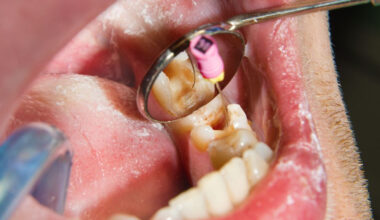
Missing teeth can affect much more than appearance. They may make it harder to chew certain foods, speak clearly, and feel confident when smiling. Over time, missing teeth can also affect the jawbone and cause nearby teeth to shift out of place. Dental implants are a popular tooth replacement option because they are designed to look, feel, and function much like natural teeth. For people exploring dental implants in Harrisonburg, VA, understanding the main benefits can make it easier to decide whether this treatment may be right for their needs. Dental implants can provide both cosmetic and functional improvements while supporting better oral health for many years.
Dental Implants Look and Feel Natural
One of the biggest benefits of dental implants is their natural appearance. An implant is placed in the jawbone and supports a replacement tooth that is made to match the shape, size, and color of the surrounding teeth. Because the implant acts as a stable foundation, the replacement tooth can feel more secure than some removable tooth replacement options. This natural appearance can make it easier to smile, speak, and interact with others without constantly thinking about a missing tooth. A well-planned tooth replacement solution can blend into the smile while restoring important function. Dental implants are designed to become a permanent part of the mouth, helping patients feel more comfortable during everyday activities.
They Help Restore Normal Chewing
Missing teeth can make eating uncomfortable or difficult. Some people begin avoiding hard, crunchy, or chewy foods because they cannot bite properly. Dental implants can help restore stronger chewing ability because they are anchored into the jawbone. This stability allows patients to eat a wider variety of foods without worrying as much about a replacement tooth moving out of position. Being able to chew properly is also important for enjoying a balanced diet. Fruits, vegetables, meats, nuts, and other nutritious foods can sometimes become difficult to eat when several teeth are missing. A stable implant-supported tooth can provide the strength needed for more comfortable chewing and everyday meals.
Dental Implants Help Protect the Jawbone
Natural tooth roots provide stimulation to the jawbone whenever a person bites or chews. When a tooth is lost, that stimulation disappears. Without regular stimulation, the bone in the area may slowly begin to decrease. This process can change the shape of the jaw over time and may affect facial structure. Dental implants are different from many other tooth replacement treatments because the implant post is placed directly into the jawbone. It functions similarly to a natural tooth root and helps provide stimulation to the surrounding bone. This is an important reason many patients in Harrisonburg, VA consider implants when looking for a long-term way to replace missing teeth.
They Can Help Keep Nearby Teeth in Place
When a tooth is missing, the nearby teeth may gradually shift toward the open space. This movement can change the bite and create spaces or crowding in other areas of the mouth. Replacing the missing tooth with a dental implant helps fill the empty space and provides support for proper tooth alignment. Unlike some traditional tooth replacement options, a dental implant can often replace a missing tooth without requiring major changes to the healthy teeth beside it. Maintaining proper spacing can make brushing, flossing, and chewing more comfortable while supporting the overall structure of the smile.
Dental Implants Can Improve Confidence
A missing tooth can make some people feel uncomfortable smiling, laughing, speaking, or taking photographs. This may affect social situations and everyday confidence. Dental implants are designed to closely resemble natural teeth, making them a discreet option for restoring a smile. Patients may feel more comfortable speaking with others, attending events, or smiling openly after completing treatment. The secure fit can also reduce concerns about a replacement tooth moving while eating or talking. A complete smile can have a positive effect on confidence and help patients feel more comfortable in both personal and professional situations.
They Can Support Clearer Speech
Teeth play an important role in producing certain sounds. Missing teeth, especially those near the front of the mouth, can sometimes affect speech. Some removable tooth replacements may also shift slightly while talking, which can make pronunciation more difficult for certain patients. Dental implants remain firmly supported in the jaw, helping replacement teeth stay in a stable position. This stability may make speaking feel more natural once the mouth has adjusted to the restoration. A secure permanent tooth replacement can help patients communicate more comfortably without constantly worrying about movement inside the mouth.
Dental Implants Are Designed for Long-Term Use
Dental implants are often chosen because they can provide a long-lasting solution when properly cared for. The implant itself is made from durable materials designed to work with the body. After the implant heals and becomes integrated with the jawbone, it can provide strong support for the replacement tooth. The visible restoration may eventually require maintenance or replacement depending on wear, but the implant foundation can often remain in place for many years. Good oral hygiene, regular dental visits, and healthy habits can help protect both the implant and the surrounding gums.
Caring for Dental Implants Is Simple
Dental implants do not usually require complicated daily care. Patients generally care for them in a similar way to natural teeth. Regular brushing and flossing are important for removing plaque and keeping the gums healthy. Dental checkups and professional cleanings also help monitor the implant and surrounding tissues. Patients should also avoid habits that can damage natural teeth and restorations, such as chewing ice or using teeth to open packages. Following a consistent dental implant care routine helps protect the health of the gums and supports the long-term success of the implant.
Dental Implants Can Replace One or Several Teeth
Dental implants are flexible enough to address different levels of tooth loss. A single implant may be used to replace one missing tooth. Several implants may also support multiple replacement teeth when several teeth are missing. In some cases, implants can help support a larger restoration for patients who have lost most or all of their teeth. The best approach depends on factors such as oral health, jawbone condition, the number of missing teeth, and individual treatment goals. A dental evaluation can help determine which type of implant treatment is appropriate for each patient.
Are Dental Implants Right for You?
Dental implants offer many benefits, including improved chewing, better stability, natural appearance, jawbone support, and long-term durability. They can also help protect nearby teeth and restore confidence after tooth loss. However, every patient has different dental needs. Factors such as gum health, bone density, medical history, and oral hygiene can influence whether implants are a suitable option. A professional evaluation can provide a clearer picture of the available treatment choices and help create a personalized plan. For many people dealing with missing teeth, dental implants can provide a strong, comfortable, and natural-looking way to restore both the function and appearance of their smile.