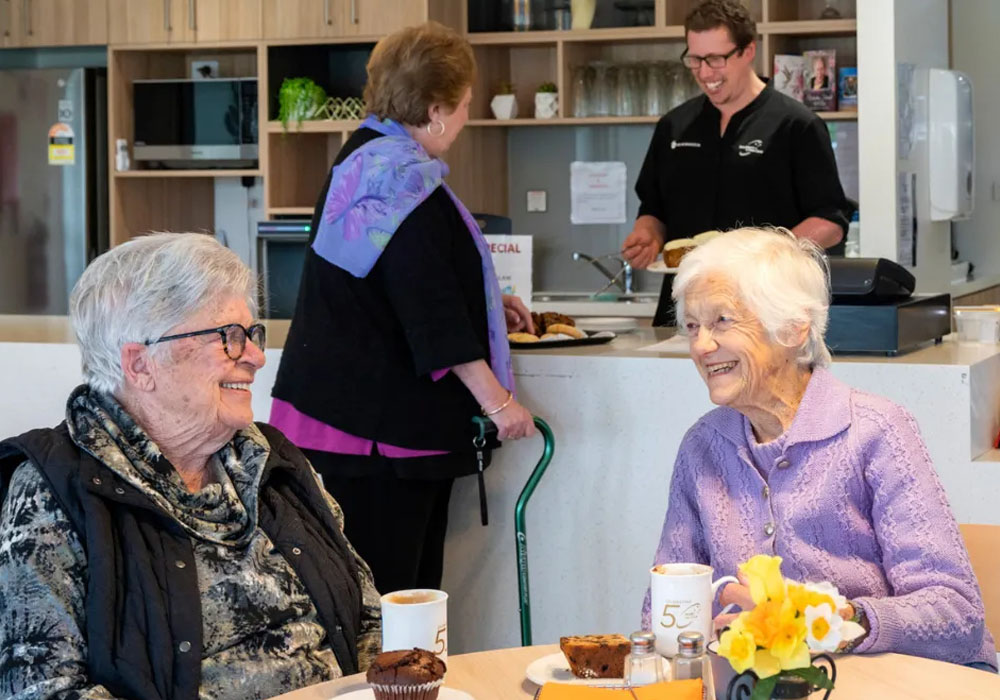
Mornington sits about fifty minutes south of Melbourne, and it has become one of the state’s busiest spots for retirees. Locals already skew older than most. Around a third of the Shire’s population is aged 60 or above, and the median age sits near 48, well above the state average. Roughly fifty retirement villages now call the Peninsula home, so choice is not the problem here. Fit is. A Mornington retirement village can mean beachside quiet or a busy town centre, and those two things feel nothing alike day to day. Knowing the difference before you move saves a lot of second-guessing later.
Why Do So Many Retirees Choose This Area?
The coastline explains a lot of it. Beaches, walking trails, and wineries sit within a short drive almost everywhere on the Peninsula. That is not marketing talk, it is just geography. Retirees who value fresh air over foot traffic tend to settle here and stay. Villages like Beleura sit close to shops, dining, and the coast, while still keeping Melbourne within reach for family visits or hospital appointments. That balance, quiet living without total isolation, is the actual selling point, not the sunsets.
Golf courses and wineries add another layer for retirees who want more than a slow walk on the sand. Plenty of villages sit within reach of a course or a cellar door, and for some new residents, that matters just as much as the beach does.
What About Getting Around Without A Car?
Transport worries stop a lot of people from moving, and fairly so. The good news is the Peninsula is not as cut off as people assume. Rail access runs through Frankston and continues along the Stony Point line, reaching towns like Hastings and Bittern. Local buses connect smaller communities back to the main centres. Seniors myki concessions apply across public transport in Victoria, which trims the cost further. Giving up driving does not have to mean giving up going out.
Is Healthcare Actually Close By?
Yes, and this matters more than most people plan for early on. Peninsula Health runs services including Frankston Hospital, backed by a wide spread of local GPs, pharmacies, and allied health providers. A village near solid healthcare beats a prettier one that is an hour from the nearest doctor. Ask directly how far the nearest hospital sits, and ask again about home visits from nurses or physios. Distance on a map often looks shorter than distance during an actual emergency.
A village manager who can name the nearest GP off the top of their head is usually a good sign. One who has to check a folder is not.
What Should You Check Before Signing Anything?
Visit more than once, and visit at different times of day. A village that feels warm on a sunny Tuesday morning might feel different on a quiet Sunday evening. Talk to current residents without staff standing nearby, because that conversation tends to be the most honest one available. Check whether the village sits close to the specific suburb you actually want, Mornington, Mount Martha, or Mount Eliza all feel different despite sharing a postcode region. Ask about community events too, since a full calendar usually signals residents who actually want to be there.
Moving to the Peninsula is rarely about downsizing alone. It is about trading a bigger, harder-to-manage home for a smaller one surrounded by beaches, better weather, and people who understand exactly what this stage of life feels like. Take the extra week to compare villages properly. Nobody ever regretted being thorough before signing a lease that lasts a decade.