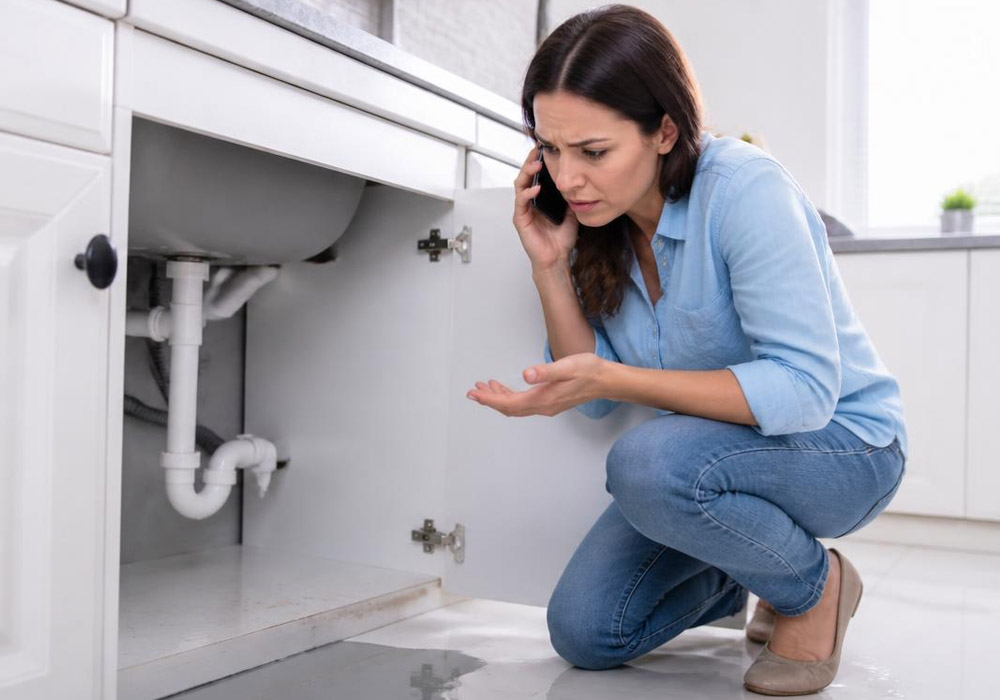
A slow kitchen drain feels like a minor annoyance until the morning you wake up to two inches of standing water on your floor. That’s the thing about drain problems: they almost never announce themselves all at once. They build, slowly and quietly, while most homeowners assume the worst-case scenario is still somewhere in the future. It isn’t.
Your drains communicate constantly. Most people just don’t know what to listen for. These five warning signs are your drainage system’s way of asking for help before a manageable problem becomes a four-figure repair job.
Sign #1: Multiple Drains Slowing Down at Once
One slow drain is usually a localized clog. Hair, grease, or soap scum collected just below the drain cover. That’s a plunger-and-drain-snake situation most homeowners can handle themselves on a Saturday morning.
Two or three slow drains happening simultaneously? That’s a completely different conversation. When your bathroom sink, your shower, and your kitchen sink all start draining sluggishly around the same time, the blockage almost certainly lives much deeper in your plumbing system, likely in the main sewer line. No amount of drain cleaner from the hardware store is going to reach it.
The deeper a clog sits, the more expensive and invasive the repair tends to be. This is the warning sign homeowners most consistently ignore because each individual drain seems “not that bad.” Don’t fall for it. Multiple slow drains happening together is a sewer line symptom, and sewer lines do not clear themselves.
Sign #2: Gurgling Sounds After Water Drains
That gurgling sound your sink makes after the water disappears isn’t atmospheric. It’s air being sucked through a partial blockage or a venting problem in your drain-waste-vent system. The drain is essentially gasping.
Healthy drains are silent. Water moves through them freely, and air moves through the vent stack without restriction. When you hear consistent gurgling, something in that system is interrupting normal airflow. The most common culprits are partial clogs holding water back, a blocked vent pipe (sometimes a bird’s nest, sometimes debris), or early signs of sewer line damage.
The gurgling itself won’t cause damage. But the problem creating the gurgling will. Think of the sound as a check-engine light, not the emergency itself, but a clear signal that you need a camera inspection before the situation escalates.
Sign #3: Persistent Drain Odors That Don’t Go Away
A faint smell immediately after cooking greasy food is normal. A smell that lingers for days, comes back within hours of cleaning, or seems to intensify in certain rooms is not. Persistent drain odors almost always point to one of three things: organic buildup deep inside a pipe, a dried-out P-trap (the curved pipe section that holds water to block sewer gas), or an actual crack in a drain line that’s allowing sewer gas to seep into your living space.
The P-trap fix is easy. Run the water in a sink you rarely use for 30 seconds to refill the trap. If the smell disappears and doesn’t return, that was your problem. If the smell keeps coming back regardless of what you do, stop masking it with air fresheners and get a professional to inspect the line. Sewer gas contains hydrogen sulfide and methane. You don’t want either of those accumulating in an enclosed space.
Sign #4: Water Backing Up in Unexpected Places
You flush the toilet and water bubbles up into the bathtub. You run the washing machine and the kitchen sink gurgles and fills. These cross-fixture reactions are among the most alarming drain warning signs because they reveal that your entire drain system is pressurized from a blockage in the main line.
This is the point where DIY stops being an option. The blockage is almost certainly in a section of pipe that requires professional equipment, typically a motorized auger, hydro-jetting, or a camera-guided inspection, to locate and clear. According to the EPA’s WaterSense program, the average household’s leaks can account for more than 9,300 gallons of water wasted every year , and a main-line backup left unaddressed accelerates that waste dramatically while also putting your floors, walls, and subflooring at risk from sewage backflow.
Cross-fixture backup is a same-day call situation. Not tomorrow. Today.
Sign #5: The Same Drain Clogs Repeatedly
If you’ve cleared the same drain three times in six months and it keeps coming back, the clog is not the real problem. Something structural is causing the buildup to recur. The most common causes include a collapsed section of pipe, tree root intrusion into a sewer lateral, mineral scale buildup narrowing the pipe’s interior, or a belly in the drain line (a low sag where water and debris collect).
In older homes across much of the American Southwest and South, clay soil movement is particularly aggressive at joints and bends in aging cast-iron or clay tile pipes. The pipe doesn’t fail all at once. Instead, joints shift millimeter by millimeter over years, creating perfect spots for grease, debris, and root threads to catch and accumulate. A recurring clog in a home built before 1980 in an area with expansive clay soil is almost always a structural pipe issue wearing a clog disguise.
“Clogged drains are usually caused by everyday buildup like food, hair, grease, and soap residue,” notes plumbing professionals at Genz-Ryan, as reported by Redfin in April 2026. The key distinction, they emphasize, is that these issues build gradually, making them easy to overlook until a full blockage occurs. Recurring blockages in the same location signal something beyond surface accumulation.
The Drain Urgency Matrix: A Framework for Deciding What to Do Next
Not every warning sign demands the same response. Here’s a practical way to triage what you’re seeing before you pick up the phone or pick up a plunger.
| Warning Sign | Likely Cause | DIY First? | Call a Pro When…
|
| Single slow drain | Localized surface clog | Yes | Plunger and snake fail twice |
| Multiple slow drains | Main sewer line blockage | No | Immediately |
| Gurgling after draining | Vent blockage or partial clog | Check roof vent first | Gurgling persists after clearing vent |
| Persistent odors | Buildup, dry P-trap, or crack | Refill P-trap first | Smell returns within 24 hours |
| Cross-fixture backup | Main line blockage or collapse | No | Immediately |
| Recurring same-drain clog | Structural pipe issue | No | Second recurrence within 90 days |
What Homeowners Get Wrong About Drain Maintenance
Most people treat drain maintenance as reactive. Something breaks, then they call someone. The data tells a different story about what that approach actually costs. According to Hippo’s Homeowner Preparedness Report, 60% of responding homeowners paid at least $200 to repair their last plumbing issue , and that figure climbs steeply once main-line repairs or water damage restoration enter the picture.
The smarter approach is a simple annual walkthrough of every drain in the house. Run each one. Listen. Smell. Note how quickly water moves. This takes about 20 minutes and costs nothing. It catches the early warning signs on this list before they graduate into the more expensive ones.
For homeowners in areas with older housing stock, hard water, or expansive soil conditions, professional drain inspection every two to three years is money well spent. A camera inspection typically costs a fraction of what a collapsed sewer lateral costs to excavate and replace. If you’re in West Texas, where caliche soil and aging pipe infrastructure combine in particularly unforgiving ways, professional drain repair in abilene from an experienced local team matters more than a generic national chain that doesn’t know the regional soil and pipe conditions.
A Quick Checklist Before You Call
- Run every drain in the house and time how long water takes to clear
- Check under sinks for any moisture, staining, or soft cabinet flooring
- Flush each toilet and watch for any cross-fixture reaction in nearby drains
- Note any odors and which rooms they’re strongest in
- Check your water meter reading, wait two hours without using any water, then check again. A change indicates a leak somewhere in the system, per EPA WaterSense guidance.
- Write down how recently each problem drain was last cleared and whether it’s recurring
Bring that list to any plumbing conversation and you’ll save time, money, and the awkward “I’m not sure when it started” exchange that slows every service call down.
When to Stop Waiting
Slow drains are not decorative. They’re data. Every gurgle, every recurring clog, every cross-fixture reaction is your home’s plumbing telling you something specific about what’s happening inside walls and under slabs you can’t see. The homeowners who act on those signals early spend far less than the ones who wait for the definitive moment of failure.
Take 20 minutes this weekend and walk your drains. What you find might surprise you, and catching it now will definitely be cheaper than catching it in six months when that warning sign has had time to become something much worse. Completing preventative maintenance like scheduling a professional inspection or performing seasonal DIY maintenance tasks can help you reduce the risk of a plumbing emergency no matter the season , according to Hippo’s 2024 homeowner survey.