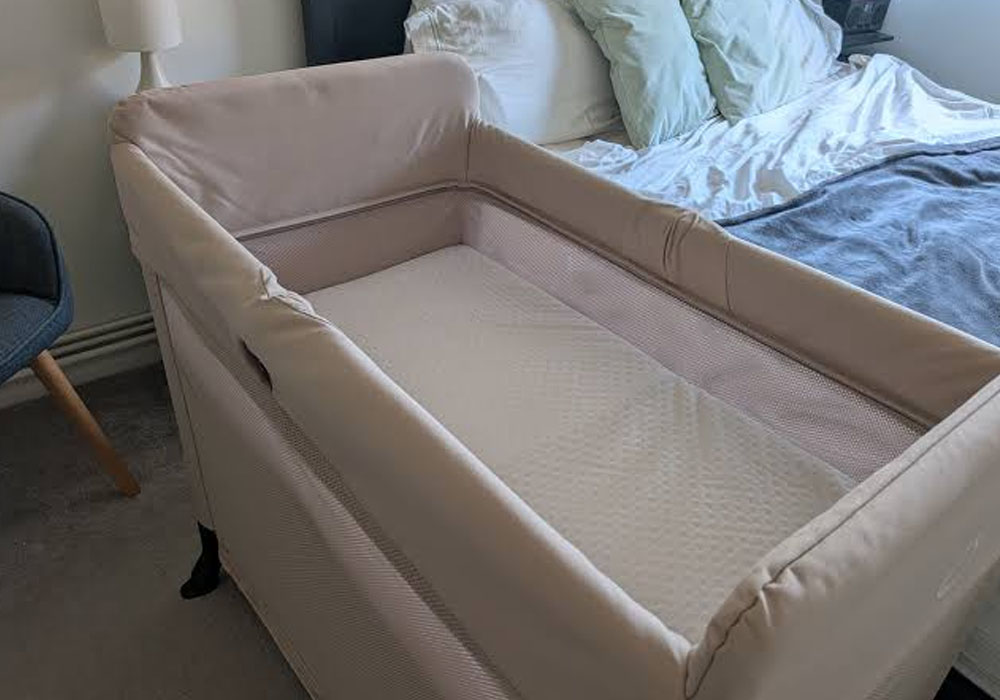
A portable cot is one purchase that actually gets used every single week. Grandma’s house, weekend trips, a cramped apartment nursery, it covers all three. Safety standards for these cots changed recently, and the new rules are strict for good reason. Babies can fall out or get hurt fast in a cot that is not sturdy. When you shop a handy portable cot, check it against current safety standards first, because looks and price should never come before that.
Standards Are Not Optional
Every portable cot sold today should meet a real safety standard, not a vague marketing claim. In Australia that means the current Consumer Goods Infant Sleep Products Safety Standard. In the UK it is BS EN 716. No sticker, no standard number printed anywhere? Do not buy it. This is the one rule I will not bend on, even for a cot that looks perfect in photos.
The Mattress Gap Nobody Checks
A gap bigger than 20 millimeters between the mattress and the cot side is a real hazard. A baby’s limb can slip into that space. Manufacturers design the mattress and frame as a matched pair, so swapping in a thicker or thinner pad breaks that fit. Use only the mattress that came in the box. It sounds boring. It is also one of the most important rules in this entire guide.
Weight and Size Limits Are Real Limits
Portable cots are built lighter than a full nursery cot, which is exactly why they travel well. That lighter build also means they are less sturdy. Once your child can stand, shake the sides, or climb, stop using it for sleep. I know that feels early. It is not. A toddler who can climb over a low rail is now at fall risk, and that risk grows every week they stay mobile.
Setup Speed Actually Matters
A cot that takes fifteen minutes and two people to assemble will sit unused in its bag during a trip. Try folding and unfolding it yourself before you travel anywhere. If your arms get tired just testing it at home, imagine doing it at 9pm with a cranky, overtired baby. Quick-fold designs with clear locking clicks beat fancy features every time on this front.
Space Around the Cot Counts Too
Leave about 30 centimeters of clear space around a portable cot wherever you set it up. Cords from blinds, nappy bags, and mosquito nets all need to stay out of reach. This is easy to forget in a hotel room or a relative’s spare room, where the layout is unfamiliar. Walk the room once before bedtime and clear anything a curious arm could grab.
Empty Means Empty
No pillows. No bumpers. No stuffed toys tucked in the corner. Every safe sleep guideline repeats this because soft items raise suffocation risk, and portable cots with mesh sides are no exception. I get why a soft toy feels comforting to add. Skip it anyway. A bare cot looks stark, but it is the setup that actually keeps a baby breathing easily through the night.
Buying Second-Hand Comes With Extra Homework
A hand-me-down cot can save real money, but check its age and condition first. Anything over a few years old may predate current standards entirely. Inspect the mesh for tears, the frame for cracks, and the locking joints for wobble. If you cannot confirm it meets today’s standard, treat that uncertainty as a reason to pass, not a reason to save fifty dollars.
What Actually Makes a Cot Worth Buying
Strip away the marketing and three things matter: a valid safety standard, a snug matching mattress, and a fold you can manage half asleep. Everything else, wheels, storage pockets, changing table attachments, is a bonus feature, not a deciding one. Get the basics right first. Your baby will sleep safely, and you will actually want to pack this thing for the next trip.