Workplace cleanliness is no longer only about appearances. A well-maintained space helps people move safely, find what they need, concentrate on their work, and feel more confident welcoming customers, suppliers, and job candidates into the building.
For organizations that need dependable support beyond an internal checklist, commercial cleaning company Allcare Maintenance Services Inc. provides customized cleaning and building-maintenance services for offices, warehouses, manufacturing operations, schools, medical facilities, and other workplaces across the Greater Toronto Area, including Brampton, Mississauga, Vaughan, and nearby communities. With more than 30 years of experience and service options ranging from routine janitorial work to floor, carpet, window, and specialty cleaning, the company is a useful reference point when comparing facility-specific service plans.
Why a Clean Workplace Matters
Cleanliness affects the daily functioning of a facility. Dusty surfaces, overflowing bins, slippery entryways, cluttered walkways, and neglected washrooms create distractions that can quickly undermine an otherwise professional operation. A consistent plan also helps prevent minor issues from becoming larger maintenance problems.
Modern schedules make this more important. An office may be quiet on Mondays, then host back-to-back meetings and heavy kitchen use on Wednesdays. Shared desks, flexible work arrangements, visitor traffic, and changing production schedules mean cleaning should follow real building activity rather than a one-size-fits-all routine.
Workplace Health and Productivity
Regular cleaning can reduce dust, remove spills, improve shared-area comfort, and lower the amount of surface contamination people encounter during the day. It also supports better concentration by making desks, meeting rooms, restrooms, and break areas easier to use.
Cleaning is only one part of a healthy workplace. Ventilation, building maintenance, employee hygiene, sick-day policies, and prompt repairs all matter. For general community settings, the CDC recommends regularly cleaning high-touch surfaces and cleaning a surface before sanitizing or disinfecting it when those added measures are appropriate.
How Often to Clean
The right frequency depends on occupant count, traffic, surface materials, work performed, and the hours the facility is open. A practical schedule may include:
- Daily:Restrooms, entryways, break rooms, waste removal, spills, and frequently touched surfaces.
- Several times per week:Shared desks, meeting rooms, interior glass, and heavily used floors.
- Weekly:Detailed dusting, lower-use rooms, carpet vacuuming, and supply checks.
- Monthly or quarterly:Upholstery care, deep floor work, high-level dusting, vents, and seasonal projects.
- As needed:Post-illness response, events, spills, renovations, or weather-related cleanup.
High-Priority Areas
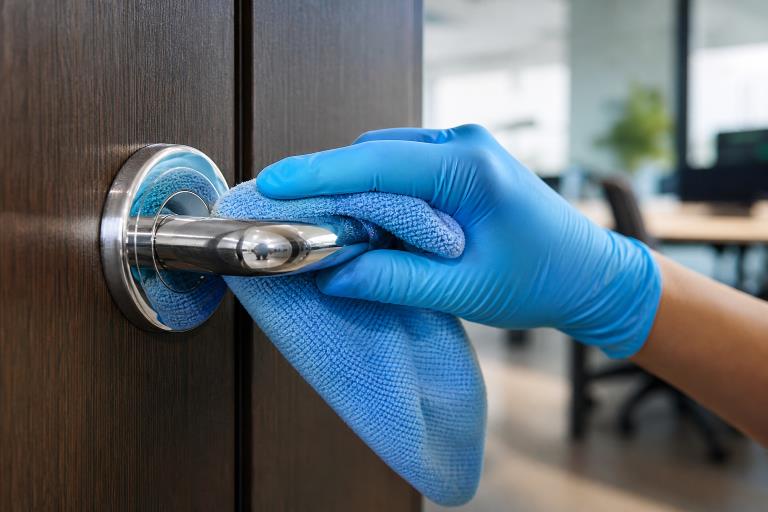
Focus time and budget where contact and buildup are greatest. Typical priority points include door handles, push plates, light switches, elevator buttons, stair rails, shared keyboards, phones, touchscreens, reception counters, appliance handles, restroom fixtures, and break-room tables.
Cleaning removes dirt and many germs. Sanitizing reduces germs after cleaning, while disinfecting is intended to kill certain remaining germs when a situation calls for it. Stronger products are not automatically better. Follow the product label, required contact time, ventilation instructions, and protective equipment requirements for the specific task.
Cleaning and Indoor Air Quality
Indoor comfort can be affected by dust, moisture, odors, stored waste, cleaning-product fumes, and poor airflow. Vacuuming with appropriate equipment, controlling clutter, managing moisture quickly, and removing garbage promptly all support a healthier environment. The EPA’s office indoor air quality guidance also emphasizes shared responsibility for ventilation, pollutant control, and building maintenance.
Cleaning teams cannot solve HVAC failures or building-design issues alone. Facility managers should coordinate cleaning with filter changes, ventilation checks, leak inspections, and repairs to blocked vents or drainage problems.
Facility-Specific Cleaning Plans
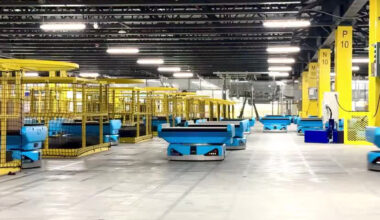
A small office should not use the same checklist as a warehouse, daycare, medical clinic, or manufacturing plant. Offices often need attention to shared equipment, kitchens, meeting rooms, and reception areas. Warehouses may require dust management, clear traffic lanes, loading-zone care, and safe floor conditions. Schools and daycares need frequent touchpoint cleaning and age-appropriate product practices.
Medical, pharmaceutical, food-processing, and manufacturing environments may have formal procedures, regulated products, controlled areas, or production limitations. Retail and automotive locations typically need consistent customer-facing presentation, clean glass, maintained floors, and reliable washroom service. Build the plan around the risks and operating realities of the space.
Safer Cleaning Practices
Select products based on the surface, soil type, intended result, worker safety, and environmental considerations. Responsible practices include accurate dilution, reusable microfiber tools, lower-waste dispensing systems, and avoiding unnecessary chemical use. Never mix cleaning chemicals, even if each product is commonly used on its own.
A Simple Workplace Cleaning Checklist
- List every room, entrance, storage area, and high-traffic zone.
- Identify high-touch surfaces within each area.
- Separate daily, weekly, monthly, and seasonal tasks.
- Assign task ownership and backup coverage.
- Track supplies, equipment condition, safety notes, and restricted areas.
- Review the checklist after complaints, incidents, renovations, or schedule changes.
Measuring Results
A clean workplace should be judged by more than scent or appearance. Review inspection scores, employee comments, missed-task reports, restroom supply availability, response times, odors, and recurring issues. Short monthly reviews help teams adjust service levels before small concerns become expensive disruptions.
When to Hire Outside Support
Outside support can be valuable when internal staff are stretched thin, the building runs multiple shifts, specialized floors need care, documentation is required, or urgent spill response is important. Before hiring, ask whether the provider can match busy hours, train staff for your facility, document inspections, carry suitable insurance, and add specialty work when needed.
Final Thoughts
A cleaner workplace is built through routine, not occasional catch-up efforts. When cleaning frequency, task ownership, safe products, indoor-air awareness, and regular review align with the way a facility operates, the result is a more comfortable, focused, and reliable workplace for everyone who uses it.