The Slow Financial Leak You Barely Notice
Dramatic boiler failures are unusual. It generally declines like a grouchy old actor who forgets lines, misses signals, and demands top billing. One month, the home warms slower. The hot water then becomes gloomy. Next comes a tolerable repair, then an unpleasant one, and finally a third that makes you gaze at the invoice like it insulted your family.
Many homeowners are locked this way. Delaying replacement makes sense since the boiler works. It huffs, puffs, and rattles like a washing machine biscuit tin, but it works. That minor truth makes postponing action simple. Unfortunately, antiquated heating systems are professionals at stealthy spending. Damage doesn’t usually cost everything at once. It frequently manifests as increasing expenditures, repeated repairs, emergency charges, and declining comfort.
Waiting can look thrifty from a distance. Up close, it is often a masterclass in expensive procrastination.
Why Old Boilers Become Hungry Little Monsters
Boilers do not age gracefully. They age like socks. Useful for a while, then suddenly questionable. As internal parts wear down, efficiency drops. The system needs more fuel to deliver the same warmth, which means your energy spending begins to swell without asking permission.
Sneaky ascent. You might blame colder weather, rising tariffs, or someone in the home who thinks tropical indoor living is a right. Inefficient boilers may contribute heavily. Even if it turns on every morning, it may burn fuel like a wind tunnel wildfire.
Modern systems are built to make better use of energy. They heat more effectively, respond more consistently, and waste less. That means a replacement is not just about avoiding failure. It is also about stopping the quiet drain on your monthly budget that an old unit creates simply by existing, notes LRES Property Management, a trusted Maitland property management company.
Repair Bills Have a Way of Multiplying
One repair is easy to justify. Two can still be explained away. Three or four start to feel like you are sponsoring your boiler through a difficult phase of life.
Repetitive repairs have more than just high costs. The pattern. Because the whole equipment is worn out, older systems have one difficulty after another. The heat exchanger is not younger after pump repair. Replacing a valve does not fix the other moving parts. Patch one thing, then wait for the next major complaint.
A peculiar financial illusion results. Repair charges feel simpler to bear when paid in installments. Multiple mild expenses over a year or two can gradually approach replacement cost. You still have an aging system that may have tantrums.
Availability is another factor. Older boilers have difficult parts replacements. Finding certain parts becomes tougher, increasing cost and wait time. The heater now costs more. Inconveniently pricey is a unique sort of impolite.
Winter Breakdowns Are the Worst Kind of House Drama
Boilers have a wicked sense of humour. They often break down when temperatures drop and everybody needs heat right now. Not tomorrow. Not next Tuesday. Right now, preferably before anyone has to wear gloves indoors.
When that happens, the cost is not limited to the repair itself. Emergency appointments often carry higher rates. Engineers may be booked up. Parts may take longer to source. Your options narrow because nobody facing an icebox of a living room is in the mood to shop around with zen-like patience.
A planned replacement gives you control. A sudden breakdown steals it. Instead of calmly comparing systems and scheduling installation at a suitable time, you are making rushed decisions while wrapped in two jumpers and a blanket, negotiating with a boiler that has already mentally retired.
Temporary Fixes Can Become Expensive Nonsense
When the heating goes out, people improvise. Out come the portable electric heaters, extra kettles, and desperate strategies that make the house feel less like a home and more like an awkward survival challenge.
Electric heaters can help in the short term, but they are rarely an efficient answer for warming an entire property. They tend to cost more to run, heat less evenly, and create the odd situation where one room feels like a sauna while the hallway could host penguins.
Hot water disruption brings its own comedy. Showers become military operations. Washing dishes turns into a planning exercise. Family members suddenly discover they all urgently need hot water at exactly the same moment. A failed boiler has a talent for exposing household chaos with brutal honesty.
These temporary workarounds may seem harmless for a day or two, but they can become surprisingly costly and exhausting if the underlying issue drags on.
The Hidden Damage Nobody Wants to Pay For
An older boiler is more prone to leaks, pressure issues, and internal wear that can eventually affect more than just heating performance. Water has a nasty habit of escaping quietly and then charging a premium for the cleanup later.
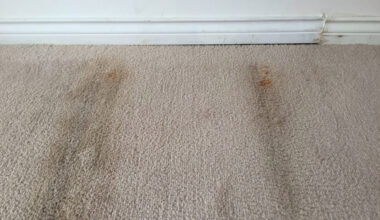
A minor leak can harm floors, discolor walls, damage surrounding fixtures, or make damp comfortable. A boiler issue might lead to decorating, plumbing, or property maintenance that has little to do with the initial unit on paper but everything to do with it in reality.
This is where delay becomes especially frustrating. It is one thing to pay for a heating upgrade. It is another to pay for a heating upgrade plus repairs to the surrounding area because the old system decided to melt down with flair.
Comfort Drops Long Before Complete Failure
Many people imagine boiler replacement as something you only consider once the system fully stops. In practice, comfort usually declines long before total failure. The home may still be heated, just badly.
Radiators heat unevenly. Some rooms overheat, others keep cold. Nowadays, hot water runs out faster. The boiler sounds like it’s making soup instead of heating the house. These changes might happen slowly enough that people adjust without realizing they lost performance.
That steady deterioration counts. Your house should seem pleasant and useful, not like a guessing game where every shower starts with a prayer. Modern systems increase efficiency and quality of life. Predictability, an unappreciated heating luxury, is restored.
Delaying Replacement Also Costs Time and Headspace
Although money gets all the emphasis, mental stress requires discussion too. Living with an unreliable boiler causes low-level stress. Every odd sound is noticed. Monitor pressure gauges like a detective. Do you think the next cold snap will cause another costly episode?
This kind of household uncertainty is tiring. It eats time through repeated appointments, waiting for engineers, rearranging your day, and managing disruptions. It also drains mental energy because unresolved home problems never fully stay in the background. They lurk.
A planned upgrade removes much of that noise. Instead of reacting to failure, you make one deliberate decision and move on with life. That alone has value, especially in a busy home where one more recurring problem is about as welcome as a seagull at a picnic.
Signs That Waiting Is No Longer Saving You Money
There comes a point when holding on to an old boiler stops being practical and starts becoming a stubborn hobby. If repairs are happening regularly, if bills are climbing without a clear reason, or if heating performance has become patchy, the economics often shift.
Age matters. Boilers over a decade old may still work, although they may become inefficient and unreliable. Older boilers may not need immediate replacement. It means the matter merits serious consideration, not delay.
A useful way to think about it is this: if you are spending money just to keep the system limping along, rather than genuinely restoring dependable performance, you may already be paying the price of delay.
FAQ
How can an old boiler affect energy bills if it still works
A boiler can still operate while using far more fuel than it should. As components wear and efficiency drops, it takes more energy to produce the same level of heat and hot water. The result is a system that appears functional but quietly costs more every month.
Why do repeat repairs become such a problem
Repeat repairs often signal broader wear across the whole unit rather than one isolated fault. Fixing one part does not renew the rest of the system, so new issues can keep appearing. Over time, those separate costs stack up and can rival the price of replacement.
Are emergency boiler breakdowns usually more expensive
Yes, they often are. Urgent call-outs can involve higher labour charges, fewer appointment options, and limited access to parts. On top of that, rushed decisions during cold weather can make the whole situation more costly and stressful.
Can delaying replacement reduce comfort even before the boiler fails
Absolutely. Many ageing boilers continue running while delivering uneven heating, slower hot water recovery, and less reliable overall performance. The system may not be dead, but it may already be doing a poor job.
When does replacement make more sense than another repair
Replacement often makes more sense when the boiler is older, repairs are becoming frequent, efficiency is slipping, and reliability is poor. If money is going into repeated fixes without restoring dependable performance, replacement usually becomes the smarter financial move.