Your yard can look great and still be hard to use. Slopes, drainage issues, and patchy outdoor zones often turn a promising space into one that feels awkward. In a city like Austin, where heat, sudden rain, rocky soil, and hilly lots all show up in the same zip code, smart landscape structure matters. Retaining walls can reshape how you use your yard while also making it look cleaner and more intentional.
Retaining walls solve problems you can actually see
A retaining wall isn’t just a decorative border with a tough-sounding name. It’s a structural feature that holds back soil, manages elevation changes, and helps your yard behave itself during rough weather. If part of your lawn slopes too sharply, you already know the signs: mulch slides, water pools in the wrong places, and mowing feels like an extreme sport.
That’s where retaining walls in Austin come into the picture as a practical landscape solution. They can stabilize uneven ground, reduce erosion, and make neglected parts of your yard usable again.
In real homes, that might mean turning a dirt incline into a level seating area or protecting a garden bed from washing out after a heavy storm. You’re not only improving appearance. You’re fixing a layout problem with a durable structure.
They make awkward yards easier to use
A sloped yard often wastes square footage. You technically own the space, but using it is another story. Retaining walls create level sections, which gives you more control over how each part of the yard functions. That can be a game changer if you want an outdoor dining area, a fire pit zone, or a spot where kids and pets can move around without dealing with uneven ground.
This matters even more on smaller lots. When space is limited, you need every section to work harder. A well-placed wall can divide your yard into zones without making it feel cramped. One tier might hold a garden, while another supports a patio or walkway.
The result feels organized rather than improvised. Your yard starts looking designed on purpose instead of patched together over time.
Good design can make them look like part of the house
Some people hear “retaining wall” and picture a gray block barrier that looks more municipal than residential. Fair concern. Poorly planned walls can stand out in the wrong way. A good one blends into the landscape and complements your home’s style.
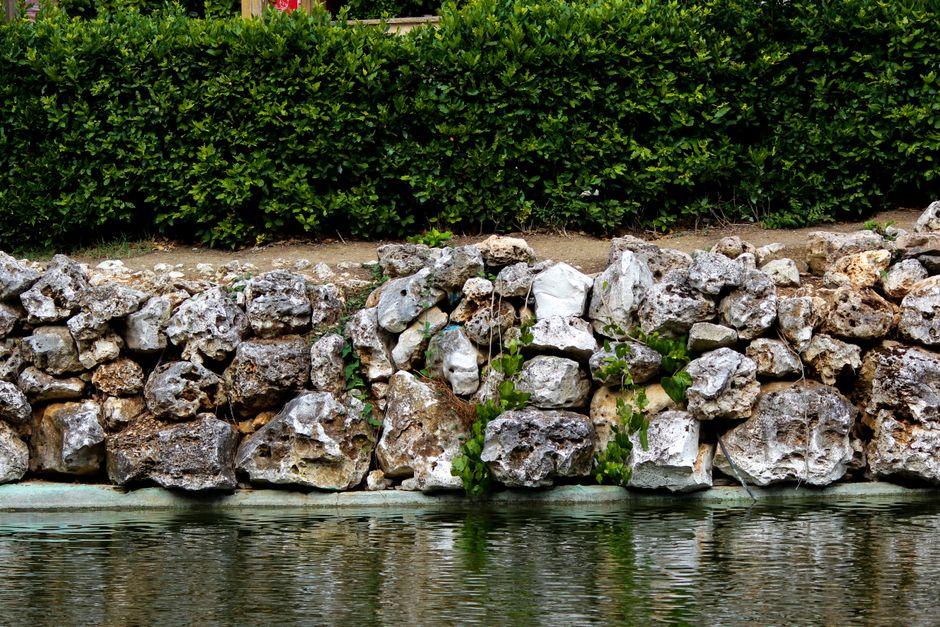
Material choice does a lot of the heavy lifting here. Natural stone gives a more organic, high-end look. Concrete blocks can be clean and modern. Timber may suit a rustic yard, though it usually has a shorter lifespan. Color, texture, and height all affect whether the wall looks like an upgrade or an afterthought.
Details matter too:
– Curved lines can soften a rigid layout
– Built-in steps improve access between levels
– Lighting adds safety and visual depth
– Matching nearby hardscaping creates a cohesive look
When the design is right, the wall doesn’t interrupt the yard. It anchors it.
Drainage and construction quality matter more than most homeowners expect
A retaining wall that looks solid on day one can fail early if the build quality is weak. This isn’t the kind of feature where you want to wing it with optimism and leftover materials. Water pressure behind the wall is one of the biggest reasons walls crack, lean, or collapse.
Proper drainage usually includes gravel backfill, perforated drain pipes, and careful grading. Without those elements, water builds up behind the structure and pushes against it over time. Add shifting soil into the mix, and things get expensive fast.
You should also think about local conditions. Austin-area soil can expand and contract depending on moisture levels, which puts extra stress on landscape structures. That makes engineering, installation method, and material selection more important than they might seem from the street.
A wall should do more than look sturdy. It should actually be sturdy, which is a different category entirely.
They can raise property value when they improve function
Not every yard project adds value in a meaningful way. Some upgrades are mostly personal preference. Retaining walls tend to perform better when they improve usability, drainage, and visual order all at once. Buyers notice when outdoor space feels easier to maintain and more useful for everyday living.
That doesn’t mean every wall guarantees a big resale boost. An oversized structure in the wrong place can feel unnecessary. A smart wall, though, can make a difficult lot feel manageable and polished. If your yard has erosion issues or awkward grade changes, addressing those concerns can make the property more appealing.
You also gain everyday value while you live there:
– Less runoff after storms
– Better protection for landscaping
– More functional entertaining space
– Clearer separation between outdoor areas
It’s one of those upgrades that can work behind the scenes and in plain sight at the same time.
Planning ahead helps you avoid expensive mistakes
Before building anything, take a close look at how water moves through your yard, how steep the grade really is, and what you want the finished space to do. A wall built only to stop soil may miss a chance to improve the whole layout. A wall built only for looks may ignore drainage and structural needs.
It’s smart to think through permits, height restrictions, and utility locations early. Some walls require engineering or city approval, especially if they exceed certain heights or support significant loads. Skipping that homework can lead to delays, added cost, or forced changes later.
If you’re investing in a retaining wall, aim for more than a quick fix. A well-planned design can solve practical problems, make your yard easier to enjoy, and give the whole property a sharper, more finished feel. That’s a lot of work from one wall, but a good one earns its keep.