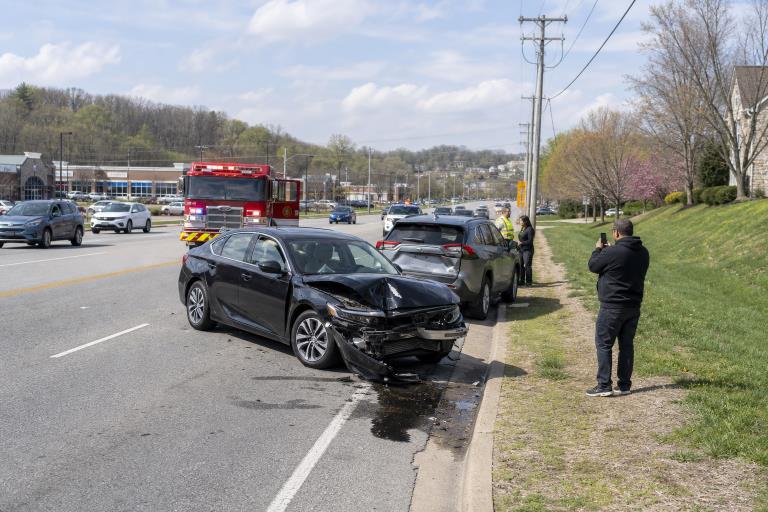
A car accident can leave people shaken, injured, and unsure what to do next. Although every crash is different, avoiding a few common mistakes can help protect your health, preserve important information, and make the insurance process less overwhelming. For people facing significant injuries or disputed responsibility, quinnlawyers.com may be one place to explore legal guidance tailored to a specific situation.
The hours and days after a collision are often busy with medical appointments, vehicle repairs, calls from insurers, and family obligations. A simple, organized approach can help you focus on what matters most while avoiding statements or decisions that may be difficult to revisit later.
Leaving Before the Scene Is Safe
Do not rush away simply because the vehicles appear drivable. If possible, move out of traffic only when doing so is safe and permitted. Call 911 when someone is injured, traffic is blocked, there is a fire risk, or the scene remains dangerous. Follow directions from emergency responders and law enforcement. The road safety guidance provided by the National Highway Traffic Safety Administration also reinforces the importance of safe decisions around vehicles and traffic.
Skipping Medical Care
Do not assume that feeling “fine” immediately after a crash means no injury occurred. Adrenaline and shock can make it harder to recognize pain or other symptoms right away. Seek emergency care for urgent symptoms, and arrange an appropriate medical evaluation when needed. Tell the provider how the crash happened, follow treatment recommendations, and keep discharge instructions, prescriptions, test results, and bills.
Arguing or Admitting Fault
A roadside argument rarely resolves anything and can make an already stressful situation worse. Exchange necessary contact, vehicle, and insurance information, but do not speculate about speed, distance, road conditions, or responsibility. It is also wise to avoid apologizing in a way that could be misunderstood as accepting blame. Stick to clear, observable facts when speaking with officers, medical professionals, and insurers.
Failing To Document the Crash
Accident scenes change quickly. When it is safe to do so, take photos or video of vehicle positions, damage, skid marks, traffic signs, road conditions, weather, and visible injuries. Write down the date, time, location, and what you remember before details fade. Collect witness names and contact information if they are willing to provide it. General steps after an injury often include preserving photographs, notes, reports, and medical information.
Ignoring the Police Report
If law enforcement responds, ask for the report number and for a copy of the report when it becomes available. Review it for basic accuracy, including names, insurance details, vehicle information, date, and location. A report may not capture every detail, but it can help identify responding officers and witnesses, as well as information that insurers may request. Keep the report with your other crash-related documents.
Giving an Unprepared Recorded Statement
Reporting a crash to your own insurer may be required by your policy, but a detailed recorded statement deserves care. Do not guess when you do not know the answer, and do not minimize symptoms because you hope they will improve. Ask what information is being requested, take notes about each conversation, and keep claim numbers, emails, letters, and adjuster contact details in one folder.
Accepting a Quick Settlement
An early settlement offer may arrive before the full extent of treatment, recovery time, or lost income is clear. Once a release is signed, it may limit the ability to seek additional payment later. Read every document carefully, ask questions about what rights are being released, and consider whether future appointments, therapy, medication, or work limitations remain uncertain before making a final decision.
Posting About the Accident Online
Social media posts, photos, comments, and location tags can be misunderstood or taken out of context. Avoid posting detailed descriptions of the crash, discussing fault, or sharing images that reveal private medical or financial information. Ask friends and family not to post about the incident either. Keeping the matter private can prevent unnecessary confusion while the facts and injuries are still being evaluated.
Losing Track of Expenses and Missed Work
Medical costs are only one part of the financial impact of a collision. Save receipts for prescriptions, transportation to appointments, repair estimates, replacement items, and other accident-related expenses. Keep pay stubs, work schedules, and employer communications that show missed time or reduced hours. A brief daily journal can also record pain levels, mobility limits, missed activities, and the practical effects of recovery.
Waiting Too Long To Check Deadlines
Insurance policies, state laws, and the type of claim can all affect important deadlines. Cases involving government entities, work-related crashes, multiple vehicles, or serious injuries may be subject to additional rules. Do not rely on a general deadline found online or assume an insurer’s timeline is the only one that matters. Checking applicable requirements early can help prevent avoidable loss of options.
Final Thoughts
After a car accident, the best next steps are usually practical ones: protect safety, seek appropriate medical care, preserve evidence, communicate carefully, and organize every record. These actions cannot erase the stress of a collision, but they can make the recovery and claims process more manageable. When injuries are serious, fault is disputed, or an offer does not reflect the full situation, timely professional advice can help you make informed decisions.