Most property owners think of an overhead roof as nothing more than a simple barrier against rain, snow, and wind. It is actually a complex, multi-layered system working around the clock to safeguard an entire home.
Beyond keeping water out during heavy storms, your roof plays several structural and thermal roles. Recognizing these distinct responsibilities helps property owners protect their long-term housing investments.
Regulating Indoor Temperatures
Sunlight beats down on upper shingles continuously throughout long, hot summer afternoons. Standard roofing systems deflect radiant solar rays and prevent excessive heat from penetrating down into upper floor rooms. Proper material selection prevents interior living spaces from turning into sweltering, uncomfortable zones.
Homeowners often overlook how much thermal protection depends directly on installation quality. Working with experienced contractors like Blue Nail Roofing helps maintain consistent indoor climate control throughout every season of the year. Strong surface materials reflect intense solar rays long before heat penetrates ceiling drywall.
Trapped thermal energy forces central air conditioning systems to run continuously during warm months. Quality reflective roofing bounces heat away, reducing household energy consumption and lowering monthly electric bills.
Managing Air Circulation And Moisture
Attic spaces need good airflow to control moisture during every season. Intake and exhaust vents work together to move warm, damp air outside. This helps protect wooden beams and other parts of the roof from water damage. Good airflow can help keep the attic dry.
Simple passive vents can help lower energy costs. One report said passive ventilation units cost about $160 each, need no electricity, and may reduce yearly cooling costs by 10%. These vents keep air moving without adding much to household power use.
Good attic ventilation can help protect the home in several ways:
- Helps prevent mold and mildew
- Reduces winter ice dams
- Protects roof boards from warping
Safeguarding Structural Integrity
A strong roof helps protect the whole house. Heavy snow, strong winds, and falling tree branches can put a lot of pressure on the roof and walls. A well-built roof helps spread this weight and protects the home’s main structure during bad weather.
Strong roof boards can help stop the roof from bending or sagging. Good construction connects the roof, walls, and other parts of the house properly.
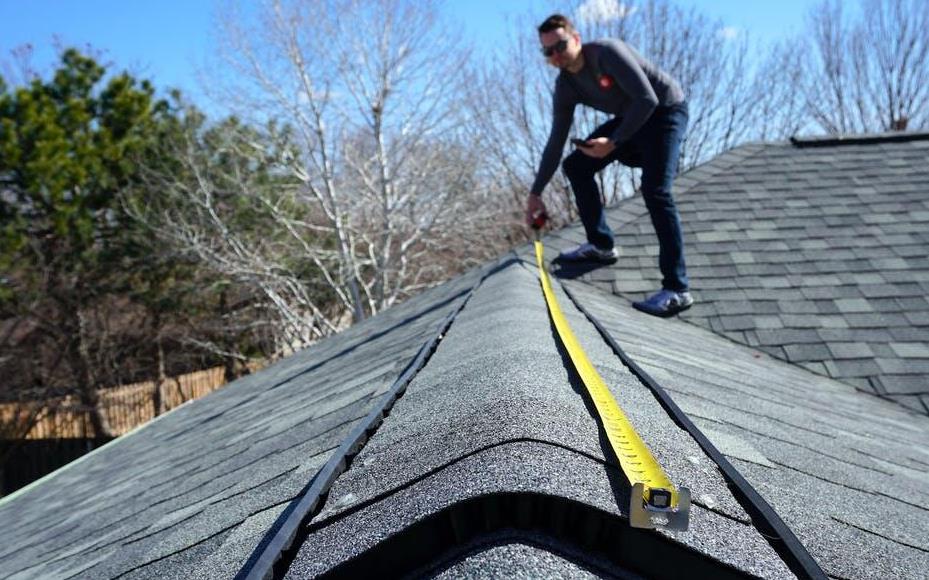
Regular roof checks can find small problems before they become bigger ones. Damage to roof supports or boards should be fixed as soon as possible.
Supporting Economic Market Value
A well-kept roof can help protect the value of a home. A good roof can stop water from getting inside and damaging walls, ceilings, and other parts of the house. Good roof work can help protect the money a homeowner has invested in the property.
The roofing materials market is growing. Research suggests that the global roofing materials market may grow from $145.75 billion in 2026 to $195.66 billion by 2034.
Buyers often check the roof before making an offer on a home. A roof in good condition can make a home more appealing and give buyers more confidence.
All About The Many Jobs Your Roof Performs
A strong roof helps protect your home from weather and moisture. Regular checks can help find small problems early.
Good materials and proper airflow can help your roof last longer. Taking care of your roof can keep your home safe and protect its value. If you’d like to learn more, check out more articles on our blog.