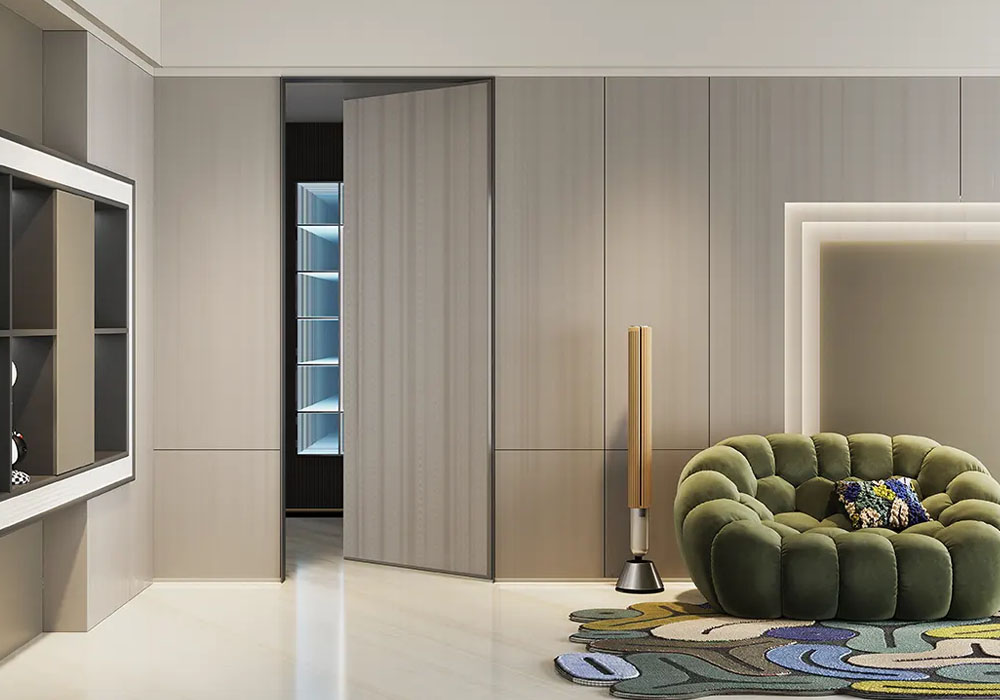
Modern interiors rely on clean architectural details that create a seamless appearance throughout a property. Doors play a significant part in that visual balance, making the right frame just as important as the door itself. A concealed frame supports flush wall finishes and complements minimalist layouts without drawing attention to the doorway. The following guide explains the key factors that help architects, designers, builders, and property owners make a well-informed choice.
Start With A Frame That Matches The Wall Construction
Selecting the correct Concealed door frame begins with the wall structure rather than appearance alone. Different frame profiles suit different wall thicknesses and construction methods, so compatibility should form part of the specification from the earliest design stage. A suitable profile allows the finished doorway to blend smoothly into surrounding surfaces and supports a consistent architectural style throughout the property. Professional planning also helps each component fit correctly before construction progresses. This approach reduces unnecessary adjustments and creates cleaner finishes across every opening.
Choose The Right Profile For The Planned Application
Frame profiles serve different architectural requirements, so every project deserves careful evaluation before selection. Some layouts require a single rebate profile, while others benefit from double rebate options or configurations designed for specific door swings. Matching the profile to the intended application helps create an organised design with consistent visual proportions. Project dimensions also deserve careful attention. Standard openings may suit some developments, while larger spaces or custom designs can require alternative frame sizes that integrate naturally with the surrounding architecture.
Specification Points To Review
- Wall thickness before finalising drawings.
- Door swing direction for each room.
- Standard or custom opening dimensions.
- Single or double rebate requirements.
- Residential or commercial project needs.
Select Materials That Support Long-Lasting Performance
Material quality influences structural reliability and the finished appearance. Steel frames provide dependable support and create crisp edges that complement flush wall finishes in contemporary interiors. Factory-prepared surfaces also allow decorative finishes to achieve a smooth and consistent result. Performance testing can provide additional confidence when comparing architectural systems. Products designed for regular use help maintain reliable operation across residential developments, workplaces, hospitality settings, and other commercial environments.
Coordinate Doors And Hardware For A Seamless Finish
A refined doorway depends upon compatible hardware as much as the surrounding frame. Concealed hinges help preserve uninterrupted lines and maintain the clean appearance expected within modern interiors. Suitable hardware should complement the selected frame profile and door specification to create a unified architectural feature. Early coordination between design professionals and suppliers also supports accurate installation planning. This level of preparation helps every visible detail contribute to the intended interior style.
Questions Worth Discussing Before Specification
- Which profile suits the selected wall type?
- Will the project require custom dimensions?
- Which hinge option matches the chosen door?
- Does the design include full-height openings?
- Which finish complements adjoining surfaces?
Confirm Every Detail Before Construction Begins
Accurate specifications create better project outcomes from the earliest planning stages. Clear communication between architects, builders, designers, and suppliers helps every element work together without unnecessary revisions. This coordinated approach also supports consistent quality throughout the development. A Concealed door frame should integrate naturally with surrounding architectural features instead of becoming a separate focal point. Careful specification allows each doorway to contribute to a refined interior that reflects modern design principles and lasting visual appeal.
Selecting the right concealed frame requires careful consideration of wall construction, profile options, material quality, hardware compatibility, and project specifications. Each decision contributes to a cleaner architectural finish and a more cohesive interior. Professional planning ensures every doorway complements the overall design and delivers a polished result. A well-specified concealed frame supports modern interiors with a refined appearance that remains timeless.