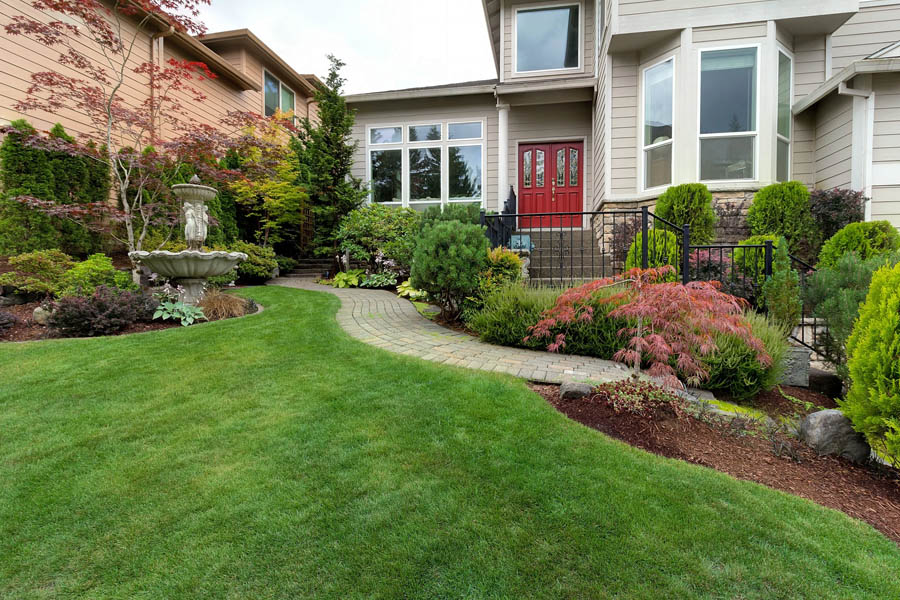
If your home runs on a septic system, part of your yard is doing a job most people never think about. The drain field, the stretch of ground where treated wastewater soaks back into the soil, is usually the largest open area on the lot. That makes it tempting to plant a garden there, build a patio or put in a row of shade trees.
Some of those ideas are fine. Others can ruin a drain field, and replacing a drain field is one of the most expensive repairs a homeowner can face. Here’s how to landscape that part of the yard without damaging it.
How a drain field works, and why it’s sensitive
Wastewater leaves the septic tank and flows into perforated pipes buried in gravel trenches, usually a foot or two below the surface. From there it seeps into the soil, where bacteria and the soil itself filter it before it reaches groundwater.
For that to work, the soil needs three things: air, room to absorb water, and nothing blocking the pipes. Almost every landscaping mistake over a drain field takes one of those away. Roots invade the pipes. Heavy loads compact the soil. Extra water or covered ground stops the field from drying out and breathing.
What to plant over a drain field
Grass is the best choice
A healthy lawn is the ideal cover. Grass roots are shallow, they hold the soil against erosion, and the grass pulls water out of the ground through evaporation, which helps the field keep working. Choose a grass suited to your climate that won’t need heavy watering once it’s established.
Shallow-rooted perennials and ornamental grasses
If you want more than lawn, stick to plants with shallow, non-aggressive roots. Many perennial flowers, groundcovers and ornamental grasses work well. Native wildflowers are a good fit, because they usually need little water once established. Aim for low-maintenance plants you won’t have to dig around much, since every dig is a chance to hit a pipe.
What to avoid
Trees and large shrubs
Roots go where the water is, and a drain field is full of it. Tree and shrub roots can grow into the pipes, clog them, and crack them. Water-loving species such as willows, poplars and silver maples are the worst offenders. A common rule of thumb is to keep trees at least as far from the drain field as their expected mature height, and farther for thirsty species.
Vegetable gardens
Even a well-working drain field puts treated wastewater into the soil near the surface. Root vegetables and leafy greens grown over it can pick up bacteria. Put the vegetable garden somewhere else in the yard.
Patios, decks, driveways and parking
Anything heavy compacts the soil and can crush pipes. Concrete and pavers also seal the surface, so the ground can’t evaporate moisture or take in air. That includes parking a car or trailer on the field, even occasionally, and driving heavy equipment across it during other yard projects.
Extra soil, raised beds and plastic sheeting
Adding a thick layer of soil or building raised beds on top of the field buries it deeper and reduces the air reaching the soil below. Plastic sheeting and heavy landscape fabric do the same. A light layer of mulch around plants is fine. Anything that seals the ground is not.
Sprinklers aimed at the field
The drain field already gets plenty of water from the house. Irrigating it on top of that can saturate the soil so it can’t absorb any more wastewater. Point sprinklers away from the field, and send roof downspouts elsewhere too.
If your home has an aerobic system and spray field
In some regions, thin soil over rock rules out a conventional drain field, and homes use an aerobic treatment unit instead. These systems treat the wastewater further and then spray it over a designated part of the lawn through sprinkler heads. They’re especially common in the Texas Hill Country. In towns like Lakeway, where rock sits close to the surface, many homeowners rely on professional septic service in Lakeway to keep these units running.
The landscaping rules for a spray field are a little different:
- Keep the spray pattern clear. Tall plants, shrubs and fences in the path block the spray and leave puddles.
- Grass and low groundcovers are still best. They take up the water and keep the surface stable.
- No vegetable gardens or play areas in the spray zone. The water is treated, but it isn’t drinking-quality.
- Don’t move or add spray heads yourself. Local rules set minimum distances from buildings, wells and property lines, and moving a head can put you out of compliance.
Keep the tank lids easy to reach
Whatever you plant, don’t bury the septic tank lids under pavers, decking or thick beds. The tank needs to be opened for pumping every few years, and inspectors need access too. If the lids are hard to find, mark them with a stepping stone or a decorative marker so nobody has to dig up the garden to reach them.
Watch the landscape for warning signs
Your yard often shows septic trouble before your drains do. Soggy ground over the field when it hasn’t rained, unusually green and fast-growing grass in one strip, or a sewage smell outdoors can all mean effluent is sitting too close to the surface. These are some of the classic signs your septic system is failing, and they’re worth having checked before the damage spreads.
The bottom line
Keep the drain field simple: grass or shallow-rooted plants, no trees, no heavy loads, no extra water, and nothing that seals the soil. It isn’t the most exciting part of the yard to landscape, but a drain field treated well can last for decades. And that is worth far more than a patio in the wrong spot.