Why Outdoor Surfaces Get Filthy So Fast
A patio may go from luxurious hideaway to muddy crime scene in a week. One severe rain, a burst of wind, and a few energetic squirrels may cover your pristine sidewalk in muck, pollen, wet leaves, and mysterious filth. The patio is rarely the issue. The surrounding scenery is misbehaving.
All neighboring debris collects on outdoor surfaces. Soil splashes when water touches it. Mulch disappears like it has weekend plans. Unwelcome grass clippings fly. Trees confidently drop leaves, berries, and sticky sap like a kid holding a juice box over a white couch. Poor yard drainage causes water to sit, dirt to loosen, algae to develop, and hard surfaces to seem weary and slick.
That is why cleaner patios, pool decks, and walkways often begin in the planting beds and lawn edges, not with a hose nozzle and a prayer.
Start With Soil That Knows How to Stay Put
The biggest troublemaker in many yards is exposed soil. When it is left uncovered, it does not politely remain in place. It moves. It splashes. It smears itself across stone, concrete, and pavers the minute rain or irrigation enters the chat.
Making the dirt tougher to disrupt is excellent. It needs protection from direct damage and support during storms, foot traffic, and regular watering. Mulch helps, but soil structure does too. Organic-rich beds absorb water gently and resist crusting and runoff better than dry, compacted earth that crumbles like cake.
If your planting areas are thin, dusty, or constantly forming little gullies after rain, the issue may be deeper than surface appearance, reports the KRS Lynchburg team. Improving the soil helps stop the mess before it starts. Think of it as teaching your yard some manners.
Mulch Is More Than a Pretty Blanket
A lot of people treat mulch like decorative frosting. Nice to look at, pleasant around the roses, and mostly there for curb appeal. In reality, mulch is one of the hardest-working bouncers in the landscape.
It softens rainfall, eliminates soil splash, and keeps moisture where it belongs when distributed properly. There will be less muddy patio freckles and brown pathway streaks. Bark, wood chips, and pine-based mulches degrade slowly and enhance soil.
Choosing a mulch that fits the location is key. Windy or sloping areas can spread lightweight objects onto hardscapes. Chunkier mulches stick better. Stone can be utilized in some designs, especially for long-term covering, although it can trap heat and move underfoot if improperly put.
Depth counts. Limited mulch has minimal effect. An too wet blanket can stress plants and promote disease. A medium layer protects soil without suffocating it. With clear bed edging, mulch stops slipping onto the driveway like it rents there.
Ground Covers Quiet the Chaos
Some parts of a yard are simply bad at being lawn. They are too shady, too steep, too narrow, or too awkwardly shaped for grass to thrive without constant fussing. These are prime opportunities for ground cover plants.
Live ground coverings minimize erosion and reduce dirty runoff. They can also minimize mowing, reducing grass clippings adhered to moist concrete like green confetti. When placed properly, they form a deep carpet that prevents storm dirt and provides walkways a softer, more deliberate look.
This is especially useful along stepping stones, near path edges, and around seating zones where loose dirt tends to migrate. A healthy mat of low-growing plants acts like a quiet little bodyguard for nearby surfaces. It is not flashy, but it gets the job done.
The visual effect helps too. Hard surfaces often look cleaner when bordered by tidy, controlled greenery instead of patchy dirt and scraggly weeds. The eye reads order before it notices dust.
Water Management Is the Real Star of the Show
If your outdoor surfaces stay dirty no matter how often they are cleaned, water is probably behind the mischief. Poor drainage is the master villain of exterior mess. It carries soil, pools in low spots, feeds algae, and leaves behind grime that seems welded to the surface.
Good drainage changes the whole story. Water should move away from patios, not settle beside them like an unwanted houseguest. Grading is one of the first things to inspect. Even a slight slope in the wrong direction can send muddy runoff straight across the spaces you use most.
Drainage solutions need not be unpleasant or dramatic. Gravel channels, swales, drain inlets, permeable pavement, and dry stream features may direct water while looking good. The yard should not become an engineering diagram. It prevents runoff from turning your pristine patio into a frog home.
Permeable materials are especially useful in high-runoff areas. When water can soak through a surface instead of racing across it, there is less splash, less pooling, and less dirt getting pushed around. Fewer puddles also means less slipperiness and less chance for mildew to throw a party.
Pick Plants That Do Not Shed Like Nervous Golden Retrievers
Not every beautiful plant is a good neighbor to a patio. Some trees and shrubs seem personally offended by cleanliness. They drop blossoms, seed pods, needles, berries, sticky residue, and leaves with an enthusiasm that borders on performance art.
Plant selection is important for a cleaner outdoor living space. Low-litter plants simplify year-round maintenance and decrease everyday mess. Compact ornamental grasses, evergreen shrubs, and many drought-tolerant types create less surface litter than spectacular seasonal shedders.
Plant placement is as important as plant itself. A beautiful, heavy-dropping tree may belong in the yard, but not over the pool deck or front sidewalk. The same goes with sitting area fruiting plants. Keep juicy droppers away unless you want unexpected squish beneath your shoes.
This does not mean a clean landscape has to be boring. It just means every plant should be chosen with both beauty and behavior in mind. In the landscape world, personality counts.
Edging Creates a Border Patrol for Your Hardscapes
Without a crisp boundary, one area of the yard will absolutely start invading another. Grass creeps. Mulch spills. Soil slumps. Before long, the edge of the patio looks fuzzy and confused, as if the yard forgot where it was supposed to stop.
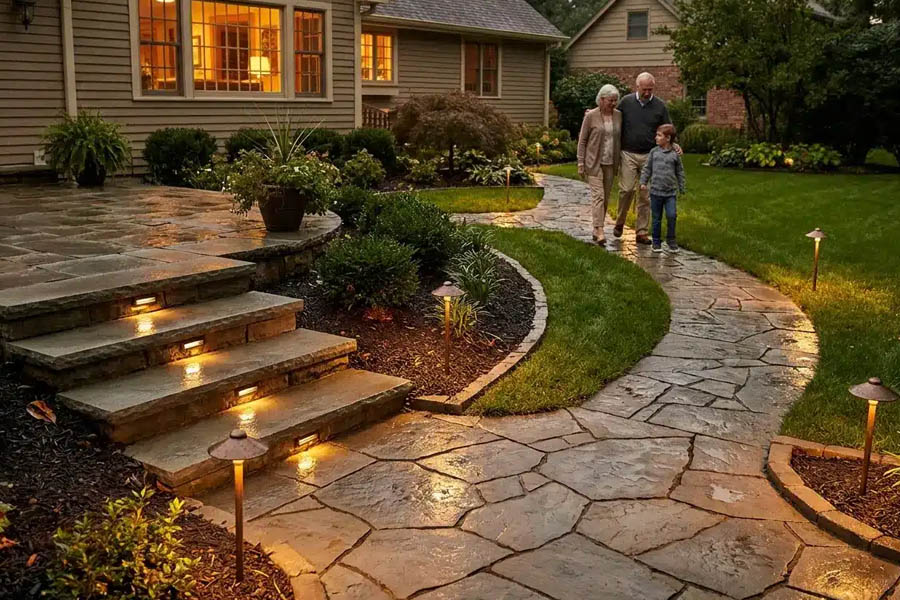
Edging solves that problem with satisfying clarity. It creates a physical break between planting beds and paved surfaces, helping contain loose materials and reduce the slow spread of debris. It also makes maintenance easier because mowing, trimming, and cleanup become more predictable.
Materials might be plain or ornamental depending on house design. While stone, metal, brick, wood, and flexible composite edging seem different, they all serve the same purpose. A distinct border stops surfaces from encroaching and sharpens the space.
There is also something deeply pleasing about a clean line in the garden. It gives the landscape a tailored appearance, as though it combed its hair before company arrived.
Design for Wind and Foot Traffic Too
Rain is mostly to blame, but wind and humans distribute trash well. Busy yard paths frequently become dusty, compacted, and plantless. Each stride lifts particles onto neighboring surfaces. In one afternoon, windy locations may throw dry mulch, leaves, and lightweight debris over patios.
Good landscaping takes these patterns carefully. Instead of believing people will cease cutting through a planting bed, make a walkway. Use stronger materials in high-traffic areas. Windy corners need denser planting or ground treatment. Real-life yard design works better than fiction.
This also applies around gates, outdoor kitchens, and play areas where movement is constant. The more friction a space receives, the more important it is to stabilize the surrounding ground. Otherwise the mess keeps spreading in circles.
Cleaner Hardscapes Usually Come From Smarter Surroundings
Maintenance is frequently thought to begin with scrubbing. Carefully landscaped outdoor areas are frequently the simplest to clean. A patio with firm soil, regulated water flow, neat vegetation, and sturdy edging gets dirty less often.
That does not remove maintenance. Nature still enjoys making a mess. But a wiser yard arrangement decreases cleaning frequency and intensity. Instead of fighting mud after every storm, you brush off dust and live like the organized outdoor genius you were born to be.
FAQ
What is the best way to stop mud from splashing onto a patio?
Cover exposed soil near the patio with mulch or dense ground cover plants. Both options cushion the impact of rain and irrigation, which helps keep dirt from jumping onto hard surfaces.
Do certain plants really make outdoor spaces messier?
Yes. Some plants drop leaves, flowers, seed pods, berries, or sap more heavily than others. Choosing lower-litter plants near patios and walkways can make a noticeable difference in how often you need to clean.
Is mulch enough to keep walkways cleaner?
Mulch helps a lot, but it works best as part of a bigger plan. Proper edging, healthy soil, plant coverage, and drainage improvements all help keep dirt and debris from reaching walkways.
Why does water pooling make surfaces look dirtier?
Standing water traps soil, organic matter, and airborne grime. It also creates conditions where algae and mildew can grow, which makes patios and paths look stained and feel slippery.
Are ground cover plants better than grass near walkways?
In many spots, yes. Ground covers can be better for narrow borders, shaded areas, and slopes where grass struggles. They often create less debris and do a better job of holding soil in place.
How does edging help with cleanliness?
Edging forms a barrier between planting beds and hardscapes. It keeps mulch, grass, and loose soil from creeping onto patios, sidewalks, and driveways, which helps surfaces stay neater over time.