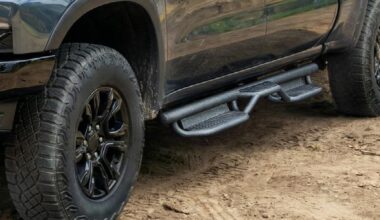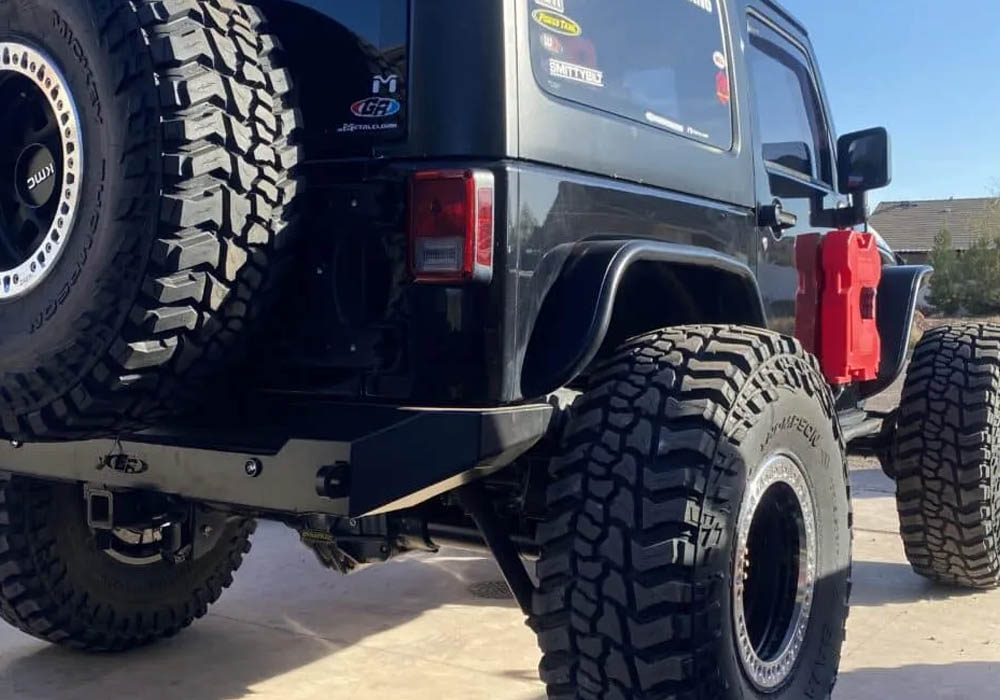
Off-road driving demands a vehicle that can handle rough terrain, deep ruts, and unexpected obstacles with ease. For enthusiasts who want to improve their vehicle’s capability and style, installing a 4×4 lift kit is a common modification. These kits raise the vehicle’s body or suspension, providing enhanced ground clearance, better approach angles, and the ability to fit larger tyres. This article examines the benefits, types, installation considerations, and overall impact of 4×4 lift kits on a four-wheel-drive vehicle.
What Are 4×4 Lift Kits?
4×4 lift kits are specialised aftermarket modifications designed to increase the height of a four-wheel-drive vehicle. The increase in height improves the vehicle’s clearance between the underside and the terrain, allowing it to navigate obstacles without damage. Lift kits can be cosmetic, suspension-based, or a combination of both, each offering different levels of performance enhancement.
Types of 4×4 Lift Kits
There are primarily two categories of lift kits: body lift kits and suspension lift kits. Body lift kits elevate the vehicle’s body from the frame by inserting spacers, resulting in a moderate lift without altering the suspension geometry. Suspension lift kits, on the other hand, raise the entire suspension system, providing greater clearance and the ability to accommodate larger tyres.
Body Lift Kits
Body lift kits are often chosen for their cost-effectiveness and simplicity. Since these kits primarily adjust the body height, they maintain the original suspension characteristics, which can preserve ride comfort. These kits typically provide between 1.5 inches and 3 inches of lift, allowing for minor performance improvements.
Suspension Lift Kits
Suspension lift kits are more comprehensive, replacing parts such as coil springs, leaf springs, shocks, and control arms. This type of lift can range from 2 inches up to 6 inches or more, significantly improving off-road performance. However, suspension lifts often require additional modifications to maintain handling and safety, including upgraded driveshafts or steering components.
Advantages of Installing 4×4 Lift Kits
The primary advantage of 4×4 lift kits is increased ground clearance. This allows drivers to traverse rocky, muddy, or uneven terrain without risking damage to the undercarriage. Moreover, lift kits enable the fitting of larger tyres, which can improve traction, enhance visual appeal, and further aid in off-road capability.
Improved approach, breakover, and departure angles are additional benefits. With a higher chassis, vehicles can climb steeper obstacles and descend drops with greater confidence. This is particularly valuable in challenging off-road environments such as steep hills, river crossings, and washouts.
Lift kits can also provide a more commanding driving position. A higher vantage point improves the driver’s visibility over the terrain and traffic, enhancing overall safety and control in both off-road and urban settings.
Considerations Before Installing a Lift Kit
While lift kits offer many advantages, it is important to consider several factors before installation. Lifted vehicles may undergo changes in handling dynamics, with potential effects on steering responsiveness and vehicle stability. It is advisable to choose a kit that matches the vehicle’s intended use and to seek professional installation to ensure proper alignment and setup.
Another consideration is the impact on the vehicle’s warranty, insurance, and legal compliance. Some insurers might view modifications as increasing risk, potentially resulting in higher premiums. Additionally, national and local regulations may restrict prohibited vehicle heights or require modifications to be inspected and approved.
Cost Implications
Costs for 4×4 lift kits vary based on the type of lift and vehicle model. Body lift kits tend to be more affordable, while full suspension lifts can be considerably more expensive due to the complexity of components and labour involved. Moreover, upgrading associated parts such as shocks, brake lines, and steering components might add to the overall expense.
Installation Process
Installation of a body lift kit is generally straightforward, involving the fitting of spacers between the body and frame, modifying bumpers, and adjusting wiring or hoses. Suspension lift kits, however, require a greater level of mechanical skill and experience, often necessitating disassembly of suspension systems, replacement of springs and shocks, and realignment.
Professional installation is recommended to guarantee safety, correct fitment, and optimal vehicle performance. Incorrect installation can lead to handling issues, premature wear of components, and potential mechanical failure.
Impact on Vehicle Performance
Increasing the height of a four-wheel-drive vehicle has a measurable impact on its performance. While ground clearance and tyre size increase, changes in the centre of gravity can affect stability, especially during high-speed cornering or sudden manoeuvres. Drivers may need to adjust their driving style to accommodate these differences.
Fuel consumption can also be affected, as larger tyres and altered aerodynamics increase drag and rolling resistance. This trade-off must be weighed against the improved off-road capability to determine whether a lift kit suits the owner’s needs.
Popular Applications of 4×4 Lift Kits
Lift kits find widespread application in various off-road disciplines, including rock crawling, mudding, overlanding, and trail riding. In rock crawling, increased suspension articulation and clearance enable vehicles to tackle larger obstacles and uneven surfaces. Overlanders benefit from the ability to carry heavier loads and fit larger storage solutions under the chassis.
For enthusiasts interested in competitive off-roading or utilising their vehicles for recreation in challenging environments, lift kits provide the flexibility and durability necessary for peak performance.
Choosing the Right 4×4 Lift Kit
Selecting the most appropriate 4×4 lift kit depends on the vehicle make, model, and the driver’s objectives. It is essential to research the specific products available for a given vehicle and to consider the compatibility with existing equipment. Consulting experts or reputable suppliers specialising in off-road upgrades can assist in making an informed decision.
The range of 4×4 lift kits available on the market caters to various needs, from mild appearance lifts for lifestyle vehicles to heavy-duty suspension systems designed for professional off-road performance. Match the lift height and kit type to the intended terrain and usage frequency to ensure satisfaction and safety.
Maintaining a Lifted 4×4 Vehicle
After installation, ongoing maintenance is crucial to preserve the vehicle’s performance and safety. This includes regular inspection of suspension components, checking for wear or damage, and ensuring alignment remains within specification. Tyre pressure and condition should be monitored, especially with larger size tyres that can influence handling characteristics.
Drivers should also be mindful of legal requirements related to vehicle modifications, making sure all changes are documented and compliant with roadworthy standards.
Conclusion
Installing 4×4 lift kits provides a range of benefits for off-road enthusiasts, including improved ground clearance, better approach angles, and the ability to use larger tyres. While the advantages are considerable, it is important to select the right type of lift kit to match the vehicle and usage needs, consider the financial and legal implications, and opt for professional installation and maintenance.
Properly chosen and installed lift kits enhance a vehicle’s capability and enjoyment in challenging off-road conditions, enabling drivers to confidently tackle tougher terrain while maintaining safety and functionality. For those committed to off-road adventures, investing in a quality 4×4 lift kit is a valuable step toward optimising their vehicle’s performance.