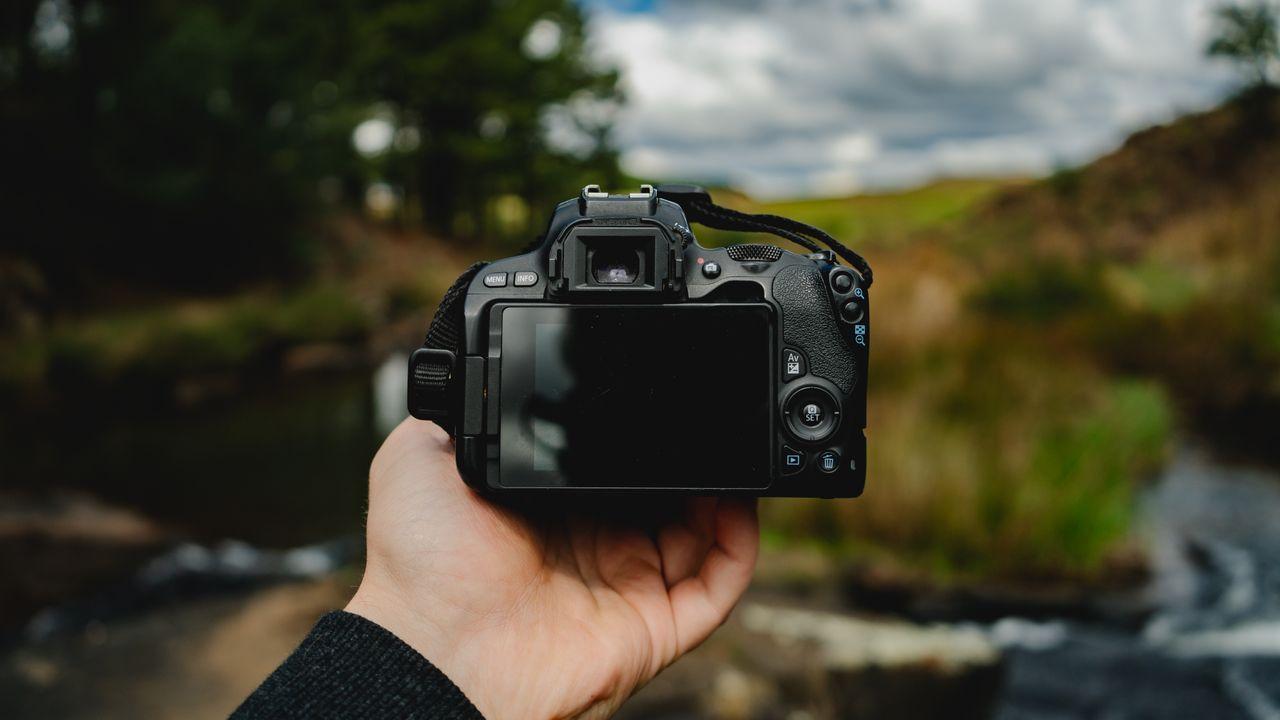
Many might assume professional-looking photos come from expensive gear. That assumption keeps a lot of talented people stuck, waiting until they can afford something better before they start shooting with intention.
The technical decisions you make, like how you position yourself, how you read light, what you do with your camera settings, carry far more weight than the price tag on your equipment. These skills are learnable, and they work immediately.
Master Light as Your Foundation
Light is the first thing your camera captures and the last thing most beginners think about. Natural light costs nothing, but knowing how to use it is worth everything. The golden hour, roughly 60 minutes after sunrise or before sunset, produces warm, soft tones that feel alive rather than flat.
Reliable affordable digital cameras respond especially well to this kind of low-contrast light because it falls within a range the sensor can actually handle, preserving detail in both the bright and shadowed areas of your frame. Position your subject so the light falls across them from the side rather than straight on.
Camera Settings That Make the Difference
Three settings control almost everything about how your photo looks. Aperture determines how much of the image stays in focus; a wide aperture softens the background behind your subject, while a narrow one keeps the whole scene precisely sharp.
Shutter speed decides what happens to movement. Freeze it or let it blur deliberately, depending on the effect you want. ISO measures your camera’s sensitivity to available light. Keep it low whenever possible. Higher ISO values introduce visible grain, so raise it only when the lighting leaves you no other option.
Angles and Perspectives worth Exploring
Getting low to the ground changes everything. Subjects look larger, backgrounds shift, and ordinary scenes take on a dramatic quality that eye-level shots rarely achieve. Shooting from directly above transforms everyday objects into something closer to graphic design.
Moving physically closer to your subject, rather than using zoom, alters how foreground and background relate to each other in ways that feel more intentional. Before pressing the shutter, circle your subject. Two or three minutes of walking around it will reveal an angle you would have completely missed otherwise.
Build a Consistent Visual Style
Style is not something you plan in advance. It shows up gradually as you notice the choices you keep making: similar tones, certain kinds of light, a preference for specific subjects. Pay attention to those patterns. Your editing should reinforce what you already captured, not cover it up.
Subtle adjustments to warmth, contrast, and exposure tend to age better than heavy filters. The more consistently you shoot, the more your preferences surface on their own, and eventually, someone can look at your photo without being told who took it.
Your Camera Can Start Paying You Back
There is a real market for thoughtfully composed, well-lit photographs, and you do not need studio equipment to access it. Stock photography platforms accept images from independent creators, local businesses frequently need product and promotional photos, and portrait work is something most communities always have demand for.
The portfolio you build while practicing these techniques is the same one that opens those doors. One image at a time, your hobby quietly becomes something more.