A residential roof contains more than broad sections of shingles or other surface materials. Chimneys, walls, vents, skylights, and intersecting roof sections create transitions where water must be directed around changes in shape. Flashing is used at many of these locations to help connect different components while maintaining an effective path for runoff.
Problems around transitions can be difficult for homeowners to interpret because the surrounding roofing may still appear normal. Roof repairs sometimes become necessary when flashing is displaced, deteriorated, or no longer integrates properly with adjacent materials. The visible symptom may appear small even though identifying the actual source requires looking at how several components meet.
Class Roofing can evaluate these transition areas when homeowners notice changes around roof features or signs of moisture indoors. Understanding what flashing does helps residents describe concerns without attempting unsafe rooftop inspections. Ground-level observations and interior evidence can provide useful starting information for a professional assessment.
Understand Why Roof Transitions Need Special Protection
Large uninterrupted roof slopes provide relatively straightforward paths for rainfall. Water generally moves downward across the surface toward the roof edge. Conditions become more complicated where another structure interrupts that path.
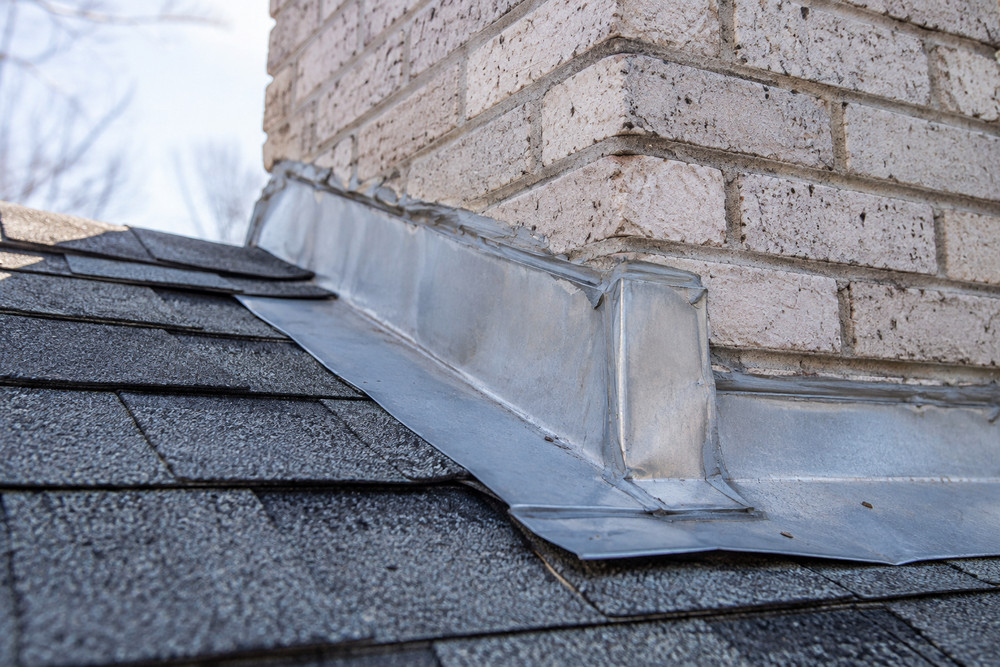
A chimney, vertical wall, plumbing vent, or skylight changes how water moves across the surrounding area. Flashing helps manage these transitions so runoff continues away from vulnerable joints. Its effectiveness depends on appropriate placement and integration with nearby roofing components.
Homeowners may never notice flashing while everything performs normally. Because much of it blends into surrounding materials, these components often attract attention only after visible changes develop. Learning where transitions exist can make future observations more meaningful.
Chimneys Create Several Important Transition Points
A chimney passing through a roof creates multiple sides where roofing materials meet a vertical structure. Water approaching from upslope must move around that obstruction before continuing downward. Different portions of the transition can therefore experience different water-flow conditions.
Visible gaps, displaced metal, deteriorated surrounding materials, or unusual staining near a chimney can justify closer evaluation. The presence of one symptom does not establish exactly where water may be entering. Masonry, roofing materials, flashing, and nearby joints can all require consideration.
Class Roofing can examine the chimney transition as a connected area rather than concentrating only on the most obvious visible mark. This broader view matters because water can travel after entering the assembly. The location of an interior stain may not correspond precisely with the exterior source.
Wall Intersections Require Continuous Water Management
Some roof sections terminate against exterior walls, upper stories, or architectural projections. These intersections create long transition lines instead of isolated penetrations. Water moving down the roof must remain directed away from the joint where horizontal and vertical surfaces meet.
Flashing arrangements along these areas may include multiple pieces working together with roofing and wall materials. A problem in one portion can be difficult to recognize from the yard. Homeowners should avoid assuming that visible sealant alone represents the complete water-management system.
Changes such as lifted materials, open-looking joints, or repeated staining near an intersection deserve attention. Documenting where the condition appears can help during evaluation. Close inspection should be left to someone equipped to work safely at roof level.
Valleys Manage Water From Two Roof Slopes
Roof valleys form where two sloping sections meet and direct runoff toward a shared lower path. Because water from both surfaces can converge there, the valley plays an important role during rainfall. Its construction differs from transitions around vertical penetrations, but proper detailing remains essential.
Debris can sometimes hide portions of a valley from ground-level view. Homeowners should not climb onto the roof to clear or inspect an inaccessible area. Instead, they can watch for visible changes and note whether unusual water behavior appears during rain.
Roof Repairs involving valley areas should respond to the actual condition discovered during assessment. Surface appearance alone may not reveal how surrounding materials are interacting. A careful evaluation can distinguish ordinary debris concerns from physical deterioration requiring attention.
Look for Changes Without Diagnosing the Cause
Homeowners can notice conditions without deciding what caused them. A shifted material, unusual gap, stain, or recurring moisture mark provides information, but it does not establish a technical conclusion. Several nearby components may produce similar symptoms.
Photographs taken safely from the ground can help document changes over time. Interior photographs are also useful when moisture appears after particular weather events. This record gives an evaluator more context without requiring homeowners to investigate hazardous areas themselves.
Skylights Combine Roofing and Window-Like Components
Skylights create openings through the roofing system while also containing frames, glazing, and surrounding transition materials. When moisture appears nearby, homeowners may naturally assume that the skylight itself has failed. The actual source can involve several possible components around the opening.
Observe whether interior moisture appears consistently or only under particular weather conditions. Wind direction, rainfall intensity, and storm duration can provide useful context. These details should support evaluation rather than becoming a substitute for it.
Class Roofing can consider the surrounding roofing transition when a skylight area raises concerns. Understanding how nearby materials relate to the opening is more useful than focusing exclusively on the visible glass or frame. The complete transition deserves attention when tracing a possible water pathway.
Plumbing Vents and Other Penetrations Need Careful Integration
Smaller roof penetrations may look less significant than chimneys or skylights, but they still interrupt the roofing surface. Plumbing vents and similar components require detailing that allows water to move around their bases. Their relatively small size can make them easy to overlook from the ground.
Materials around a penetration may change with age or physical exposure. Homeowners might notice cracking, displacement, or surrounding roofing that appears different from nearby areas. These observations can justify assessment without proving that leakage is occurring.
Avoid applying temporary materials from a ladder or rooftop simply because a penetration looks suspicious. Covering a visible area without understanding its construction may complicate later evaluation. The underlying condition should guide any corrective work.
Interior Moisture May Appear Away From Flashing
Water entering near a roof transition does not necessarily become visible directly below that location. Moisture can move along decking, framing, or other materials before reaching an interior surface. This movement can make ceiling stains misleading when viewed as exact indicators of exterior entry points.
Record where indoor staining appears and whether it changes after rainfall. If safe attic access is available, visible conditions may provide additional context, but homeowners should not enter difficult or hazardous spaces. Observations should remain within safely accessible areas.
This is another reason Roof Repairs should not be planned solely from the location of an indoor stain. Exterior transitions, surrounding materials, and possible moisture paths need to be considered together. Diagnosis becomes more reliable when multiple pieces of evidence are compared.
Previous Work Can Affect Current Flashing Conditions
Roofing systems often change during their service life. Repairs, additions, replacement materials, skylight installations, or other modifications can alter transition areas. A current concern may therefore involve components installed at different times.
Homeowners who have previous project records can provide useful context. Photographs, invoices, approximate dates, and descriptions of earlier work may help identify which areas were altered. Even incomplete information can clarify the history of a transition.
Older work does not automatically indicate a problem. The value of the history lies in understanding how the present roof developed. Current physical conditions should still determine whether corrective attention is appropriate.
Let the Entire Transition Guide the Next Step
Flashing works as part of a larger roofing assembly rather than as an isolated accessory. Chimneys, walls, valleys, skylights, and penetrations each create different conditions that must direct water appropriately. A concern at one of these locations should therefore be evaluated in relation to nearby materials.
Homeowners can contribute by documenting visible changes, noting weather conditions associated with moisture, and preserving information about previous work. They do not need to determine the exact failure point themselves. Safe observations provide context while leaving technical inspection to qualified professionals.
Understanding roof transitions helps residents respond more thoughtfully when unusual signs appear. Instead of assuming every stain comes from the nearest visible feature, they can recognize that water movement and adjoining components may complicate the picture. Careful evaluation can then determine whether maintenance, localized work, or another response matches the condition actually present.