Why Wood Fences Still Rule Kitchener Backyards
Some backyard trends arrive with a trumpet blast and disappear by the next barbecue season. Wood fencing is not one of them. It keeps showing up, year after year, like that dependable neighbour who owns three ladders and somehow knows how to fix everything.
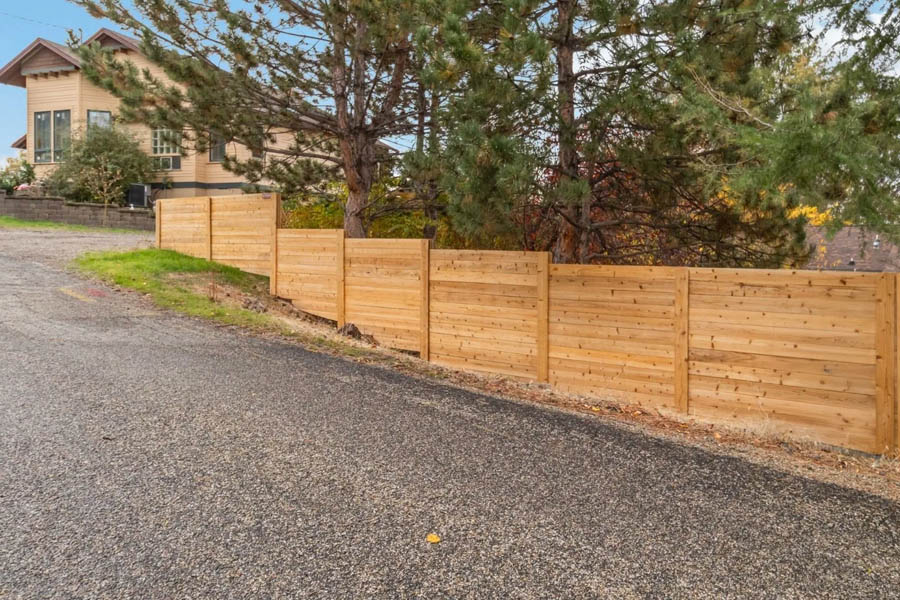
Kitchener residents like wood fences because they balance beauty, seclusion, and affordability. The dog next door may hate every squirrel in the postal code, but a solid wood fence can make a yard feel serene. It fits almost every house style. A neat wood privacy fence fits behind a contemporary home, century house, or cottage with aggressive tomato plants.
That popularity creates one small problem with muddy boots attached. Homeowners have options. Lots of them. And when every contractor promises clean lines, sturdy posts, and craftsmanship that will supposedly outlive the moon, it helps to know what actually matters before signing anything.
What Separates a Good Fence Builder From a Great One
A great wood fence company does far more than drop posts into holes and vanish in a cloud of sawdust. The best crews understand grading, drainage, wood movement, gate alignment, and how Kitchener weather likes to test every outdoor structure as if it has a personal grudge.
The best installers plan first. They verify property boundaries, ask the necessary privacy and traffic flow questions, and consider fence age. Wood stretches, shrinks, bends, and settles. Has character. Sometimes too much character. A builder who can deal with natural movement may prevent leaning panels, dragging gates, and a latch that never lines up again.
Communication matters more than most people realize. A homeowner should know the material, style, warranty, and duration of the job. A corporation that turns unclear the second specifics surface is typically an indication to beware.
Cedar Pine and Other Backyard Characters
Not all wood behaves the same way. Choosing the right species can shape the fence’s appearance, lifespan, and maintenance schedule.
Cedar is local favorite for good reason. Even without stain, it resists decay, manages insects better than many alternatives, and looks good. Graceful aging. Cedar would win best supporting actor every year in a fitted blazer if wood species got awards.
Pressure treated pine is often the budget-conscious pick. It can perform well when installed properly, but it usually does not deliver the same long-term elegance as cedar. It gets the job done, though. Think of it as the practical cousin who shows up in work boots and never complains.
Spruce often appears in more economical panel systems. It can suit short-term or lower-budget needs, but it generally will not match cedar for lifespan. Tropical hardwoods exist too, but they are rare choices for most residential fencing projects in this region due to cost and practicality.
A reliable contractor should be able to explain these differences clearly, without turning the conversation into a dramatic forest documentary.
What Homeowners Usually Want From a Fence Project
Most buyers are not chasing abstract craftsmanship poetry. They want a few very practical things.
They want privacy from nearby windows and patios. They want a gate that swings properly instead of behaving like a stubborn shopping cart. They want the fence to stand straight through freeze-thaw cycles, rainstorms, and the annual spring thaw that makes every yard feel like pudding.
They want the fence to seem deliberate. Great wood fences don’t seem thrown together. Post spacing is regular. Suitable tops run level. Aligned boards are clean. Gates blend with the structure rather than looking like a last-minute addition.
The best companies understand that homeowners are buying peace of mind as much as lumber.
How to Judge a Wood Fence Company Without Becoming a Detective
You do not need a corkboard, red string, and a private investigator hat to evaluate fence contractors. A few simple checkpoints reveal a lot.
First, look at how long the company has been operating or how deep the team’s hands-on experience runs. Longevity alone does not guarantee excellence, but it often points to consistency. Fence companies that deliver poor work tend to earn themselves a very short career.
Second, pay attention to public reputation. A strong review profile over time suggests a company has handled real-world jobs successfully, not just polished its website until it sparkles.
Third, ask about warranties. A contractor willing to put workmanship coverage in writing is showing confidence in the install. That matters. Wood fencing lives outdoors, where moisture, frost, and gravity all have a vote.
Fourth, check the breadth of services. Some companies focus on full custom builds. Others are better suited to repairs, partial replacements, or mixed-material projects. The right fit depends on whether you need a grand perimeter transformation or simply want a gate that no longer sounds haunted.
Different Types of Kitchener Fence Companies for Different Needs
Not every company serves the same kind of homeowner. That is where many buyers get tripped up. They compare businesses as if all crews do the same work, when in reality each tends to have a distinct lane.
Some specialize in full residential wood installations with custom privacy layouts and decorative features. These are often the strongest choice for a complete backyard overhaul.
Some work comfortably across wood, chain link, and ornamental fencing. That flexibility is useful for corner lots, shared boundaries, or properties where visual style and practical containment need to coexist without arguing.
Others shine in rural or outlying areas, where larger properties, sloping terrain, and longer travel distances change the rhythm of a project. A company used to dense suburban installs may not approach an acreage the same way.
Decks, pergolas, and gates are another construction specialty. This is helpful for homeowners contemplating a larger backyard makeover. Matched materials and design language make the yard feel cohesive rather than patched together from five Saturdays.
Finally, there are repair-focused operators. These are ideal when a fence has only localized damage. If the issue is one rotten post, one sagging gate, or one wind-beaten corner, a targeted fix can be smarter than replacing everything.
Scheduling Reality in a Busy Season
Fence shopping inspires optimism. Fence scheduling introduces reality.
Once spring weather hits, Kitchener’s busiest season begins quickly. Quality installers generally book summer jobs early because homeowners start fantasizing in April and phoning in May. Peak season projects, especially custom wood structures, might be delayed.
That does not mean delay is a bad sign. In many cases, it means demand is high because the company is trusted. A fully available contractor in the middle of a rush is not automatically suspicious, but it should prompt a few extra questions.
Effective firms manage expectations. Start windows, build time, weather delays, and material lead times are explained. That candor is refreshing. It is also more beneficial than vague assurances that a crew would come “soon,” which may mean next Tuesday or the end of humanity.
Small Details That Make a Big Difference
The difference between an ordinary fence and a satisfying one often hides in the details.
Post-depth concerns. Hardware quality important. Gate bracing matters. So does stain timing. Fresh cedar should not be finished before it’s ready. Moisture is a cunning foe. Initially quiet, it can shorten a fence’s pleasant years.
Spacing under panels matters too, especially in areas with drainage concerns or uneven terrain. A builder who understands how water moves across a yard can help prevent premature wear and awkward visual gaps.
Then there is cleanup. This rarely appears in the glamorous side of fence discussions, but it absolutely matters. Nobody wants a gorgeous new privacy fence surrounded by splinter piles, stray screws, and enough leftover debris to build a small raccoon condo.
FAQ
What is the best wood for a fence in Kitchener
Cedar is often the most popular choice because it offers strong natural resistance to rot and insects while delivering a warm, classic appearance. It also tends to age more gracefully than lower-cost alternatives.
Is pressure treated pine a bad option
Not at all. It can be a practical choice for homeowners focused on budget, especially when installed by a skilled contractor. It usually requires accepting a shorter overall lifespan and a slightly different look than cedar.
How often should a wood fence be stained
Most wood fences benefit from staining every two to three years, though sun exposure, moisture, and the type of wood can shift that timeline. South-facing sections often show wear first because sunlight never misses a chance to be dramatic.
Can a fence be installed in colder months
Yes, if ground conditions allow it. Winter installations are possible during milder stretches, though many companies prefer the more predictable conditions of spring, summer, and fall.
What should I ask a fence company before hiring them
Ask what wood species they use, what warranty they provide, how they handle gate framing, whether they manage utility locate requirements, and what kind of timeline you should expect. Clear answers usually signal an organized company.
Are repairs worth it or should I replace the whole fence
That depends on the extent of the damage. If only a few posts or sections have failed, repair can be sensible and cost-effective. If the fence is aging broadly and problems are appearing everywhere, replacement may be the less frustrating long-term move.