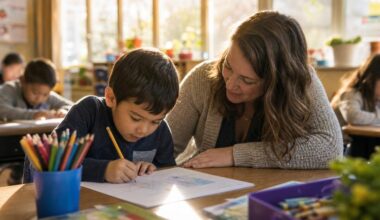
Every teacher knows the difference between a classroom that is alive with curiosity and one where students are simply waiting for the bell. Engagement shapes how much children learn, how long they remember it, and how they feel about school as a whole.
When students care about what they are doing, they ask better questions, work through difficult problems, and keep going when the material becomes challenging. When they feel disconnected, even the best lesson plan struggles to reach them. Personalized learning and modern classroom strategies give educators practical ways to meet students where they are and move them forward with purpose.
Why New Thinking in Education Leadership Matters
Many schools still follow a structure that was designed for a very different time, when every student moved through the same material at the same speed. Leaders who want to change this face a real challenge, because rethinking how students learn means rethinking schedules, teaching roles, and the way progress is measured.
Education leaders who design new school models work on exactly this problem, testing fresh approaches and sharing what works with schools across the country. Educators can look up Amy McGrath ASU to learn more about how new learning models are built around the student experience. Leadership of this kind shows that meaningful change is possible when schools are willing to rethink old habits.
Understanding What Personalized Learning Really Means
Personalized learning is an approach that adjusts the pace, content, and style of instruction to fit each student. It means teachers pay close attention to what each learner already knows, what they still need, and how they learn best.
In a personalized classroom, a student who has mastered a skill can move ahead instead of repeating work they already understand. A student who needs more time can receive extra support without feeling left behind or singled out. This flexibility helps children stay challenged without becoming overwhelmed, which is one of the most reliable ways to keep them interested.
Personalized learning also gives students a voice. When learners help set their own goals and choose some of the ways they show what they know, they take more ownership of their progress. That sense of ownership is a powerful driver of engagement.
Building Strong Relationships Between Teachers and Students
No strategy works well without trust. Students participate more and ask for help more readily when they feel their teacher knows and cares about them. Strong relationships turn a classroom into a place where mistakes are treated as part of learning rather than something to hide.
Simple habits help. Greeting students by name, checking in on them, and showing interest in their lives outside school all send a clear message that each child matters.
When schools make relationships a priority, they create the foundation that personalized learning depends on. A teacher who knows a student well is better able to adjust instruction, spot early signs of struggle, and celebrate progress in a meaningful way.
Using Technology With Purpose
Technology can be a valuable part of a modern classroom, but only when it serves a clear goal. Digital tools can help teachers track progress, offer practice that adjusts to each student’s level, and give quick feedback that keeps learners moving forward.
The key is balance. Screens should support learning, not replace conversation and hands-on work. Teachers can use technology to free up time for the human side of teaching, such as guiding discussions, coaching small groups, and working closely with students who need extra attention.
Schools should also make sure every student has fair access to the tools being used. Engagement suffers when some learners cannot keep up because they lack a reliable device or internet connection at home.
Making Learning Active and Hands-On
Students tend to remember what they do far better than what they only hear. Active learning invites them to build, test, discuss, and solve problems instead of sitting quietly while information is delivered to them.
Project-based learning is one effective way to bring this approach into the classroom. When students work on a real question or challenge over several days or weeks, they see how different subjects connect and why their learning matters.
Even small changes can make a difference. Short partner discussions and quick hands-on tasks can lift energy and keep attention focused.
Encouraging Inquiry and Curiosity
Curiosity is one of the strongest natural motivators children have. Classrooms that welcome questions, rather than simply rewarding correct answers, help students develop a genuine love of learning.
Teachers can encourage inquiry by starting lessons with an interesting question or puzzle, inviting students to share what they wonder about, and giving them time to explore before offering explanations.
When students feel free to investigate ideas that interest them, they become more confident and independent.
Supporting Teachers So They Can Support Students
Teachers carry much of the responsibility for engagement, and they need support to do this work well. Ongoing training, time to plan together, and opportunities to share ideas with colleagues all help educators try new strategies with confidence.
School leaders play an important role here. When they encourage experimentation, listen to teacher feedback, and provide the resources needed to make changes, they create a culture where improvement becomes part of everyday practice. A well-supported teaching staff is far better prepared to give students the attention and flexibility they deserve.
Creating Classrooms Where Every Student Can Thrive
Improving student engagement is not about a single program or quick fix. It grows from a steady commitment to knowing each learner, making lessons meaningful, and giving students a real role in their own education. Personalized learning, strong relationships, active lessons, and purposeful use of technology work best when they come together as part of a shared vision. Schools that embrace these ideas help students become curious, capable, and confident learners who are ready for whatever comes next.