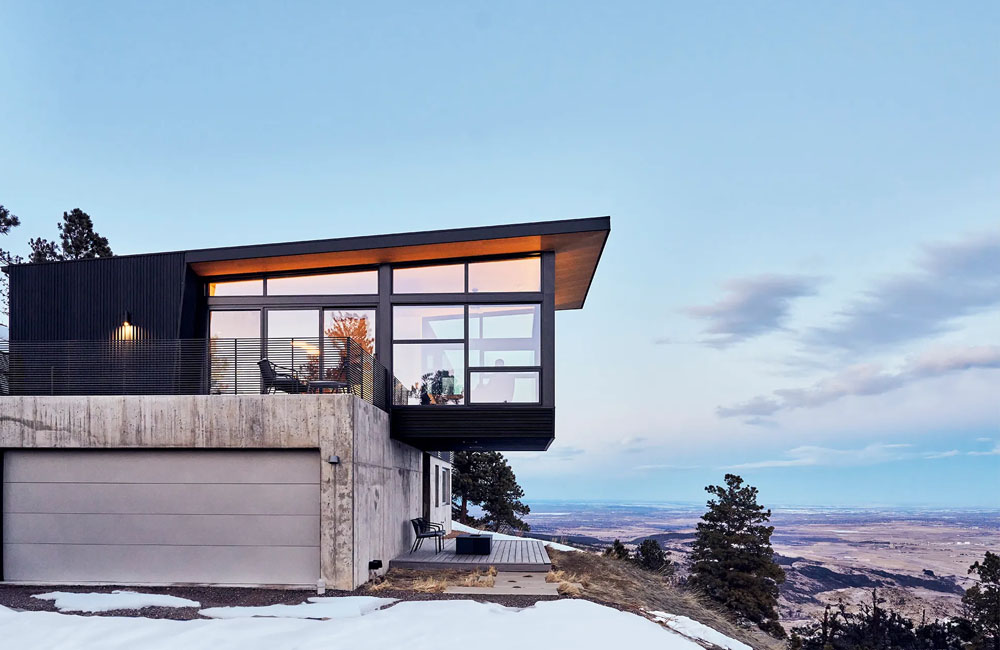
Six inches of snow on the roof and a window that whistles all night. That is the reality of cheap glass in a mountain town, and it is the reason so many Park City homeowners end up replacing windows they installed less than a decade ago.
The good news is that glass is one of the few home upgrades where spending smarter upfront genuinely pays you back. Get the specification right, and you stop heating the driveway. Get it wrong, and you will spend every January with a towel rolled against the sill. If you are weighing options for Custom Glass Park City, the decisions that matter most come down to four things: altitude, temperature swing, sun exposure, and snow load. Everything else is detail.
This guide walks you through how mountain glass actually performs, where homeowners overspend, and a simple framework I use to decide what to specify for any room in the house.
Why Mountain Glass Is a Different Specification
Glass behaves differently at 7,000 feet than it does at sea level. The air is thinner, the UV is stronger, and the temperature can swing forty degrees between a sunny afternoon and a clear night. That swing is what kills cheap units. The sealed air space between panes expands and contracts, the seal fatigues, and within a few seasons you have fog between the glass and no way to fix it short of replacement.
You will also see the sun do real damage at altitude. West-facing glass takes UV intensity that would be unremarkable on the coast and turns it into faded hardwood floors, bleached furniture, and a living room that hits 88 degrees in February. According to the Department of Energy, windows can account for a meaningful share of a home’s heating and cooling load, and that share climbs fast when the glass was never matched to the climate it sits in.
Here is my honest take: most mountain homeowners should care less about the brand on the frame and more about the glass unit itself, the spacer, and the installation details. I have watched people pay a premium for a name and then watch that premium leak away through a poorly sealed rough opening.
What Actually Matters When You Specify Glass
Think of this as the short list you bring to any quote conversation. If a contractor cannot speak to these five points, that is your answer.
- U-factor: how well the unit resists heat loss. Lower is better in a cold climate.
- Solar heat gain coefficient (SHGC): how much solar heat the glass lets through. You want different numbers for a south-facing great room than for a north-facing bedroom.
- Low-E coating: the invisible metallic layer that reflects heat back into the room in winter and out in summer.
- Spacer type: the material between panes. Cheap metal spacers conduct cold and create condensation at the edge.
- Gas fill: argon or krypton between the panes, which slows heat transfer compared to plain air.
The National Fenestration Rating Council publishes the labels you will see on any rated window, and reading those labels is the fastest way to compare two quotes that look identical on paper. If the label is missing, you are comparing marketing, not performance.
Where Custom Glass Earns Its Keep
Not every room needs the same treatment. A standard double-hung in a hallway is fine off the shelf. Custom work starts to make sense when the shape, the slope, or the view forces the issue.
- Shower enclosures. A frameless panel in a bathroom with a sloped ceiling cannot come from a big box store. This is where measured, fabricated glass matters, because a quarter inch off on a templated panel means a leak you will fight for years. I would pick frameless here every time over a framed kit, mostly because the hardware does not corrode at the rate the cheap stuff does.
- Railings and stair systems. Glass railing on a deck facing the Wasatch range is a design decision, but it is also a snow load decision. The mounting hardware has to be rated for the load a real winter puts on it, not a brochure winter.
- Oversized and shaped windows. Arched, trapezoidal, and floor-to-ceiling units are where custom fabrication stops being a luxury and starts being the only option.
- Mirrors and specialty panels. Gym walls, vanities, and built-ins fall into this bucket. Unremarkable work, but bad measurements show up immediately.
Installation Is Half the Job
You can buy the best glass unit in Utah and ruin it in an afternoon with sloppy flashing. Water intrusion around a window opening is the number one cause of the rot, mold, and framing damage that turns a window replacement into a wall rebuild. The National Institute of Standards and Technology maintains the building science research that underpins modern moisture management practice, and it is worth understanding the basics even if you never touch a caulk gun yourself.
What I look for on a mountain install:
- Flashing that laps correctly, with the top layer always shedding water outward.
- A properly sealed rough opening before the unit ever goes in.
- Low-expansion foam, not the cheap stuff that bows a frame as it cures.
- Exterior sealant rated for freeze-thaw cycling, not standard painter’s caulk.
Skipping any of these four turns a fifteen-year window into a five-year window. It is the least glamorous part of the project and the part that decides whether you are happy in year eight.
A Simple Cost Framework
Most homeowners get three quotes and cannot tell why they differ by thousands. Here is how I break it down so the numbers actually mean something.
| Line item | What drives it | Where to push back
|
| Glass unit | Size, shape, Low-E spec, gas fill | Ask for the NFRC label values in writing |
| Fabrication | Custom shapes, templating, edge work | Confirm measured onsite, not from plans |
| Hardware | Railing mounts, shower hinges, finishes | Check the load rating for snow and wind |
| Installation | Flashing, sealing, disposal, access | Make sure flashing is a line item, not a guess |
If a quote has one lump sum with no breakdown, ask for the four lines above. A contractor who knows their work will have no trouble producing them. A contractor who does not will get defensive, and that tells you plenty.
Timing Your Project Around the Seasons
Mountain construction has a rhythm. Glass work scheduled for late fall often slips into spring because sealants need a temperature range to cure properly and access gets complicated once snow piles up. If you are planning a window or railing project, aim to have measurements and fabrication done before the first real storm. It is a boring piece of advice and it saves months.
Bathroom glass is more forgiving, which is why shower enclosures are a popular winter project. You are working indoors, the template does not care about the weather, and the finished result gives you something to enjoy while the roads are still icy.
Frequently Asked Questions
1. How long does custom glass take to fabricate?
Simple panels move quickly, while shaped, oversized, or specialty units take longer because they are made to your measurements rather than pulled from stock. Build the lead time into your schedule before you start demolition.
2. Do I need custom glass, or will a standard size work?
If your opening is a standard dimension and nothing about the room is unusual, standard units are the smarter buy. Custom work pays off when the shape, slope, or view forces it.
3. Can glass railings handle a heavy snow season?
Yes, if the mounting hardware is rated for the load. That rating is a specification question, not a style question, so ask for it directly.
What to Do Next
Start with the room that bothers you most. For most people, that is either the window that ices up or the shower that never quite feels finished. Get one accurate measurement set, one honest quote with a breakdown, and one clear answer on the glass specification. Then decide. Pick the contractor who explains the spacer and the flashing without being asked. That is the one who will still answer your call in year five.