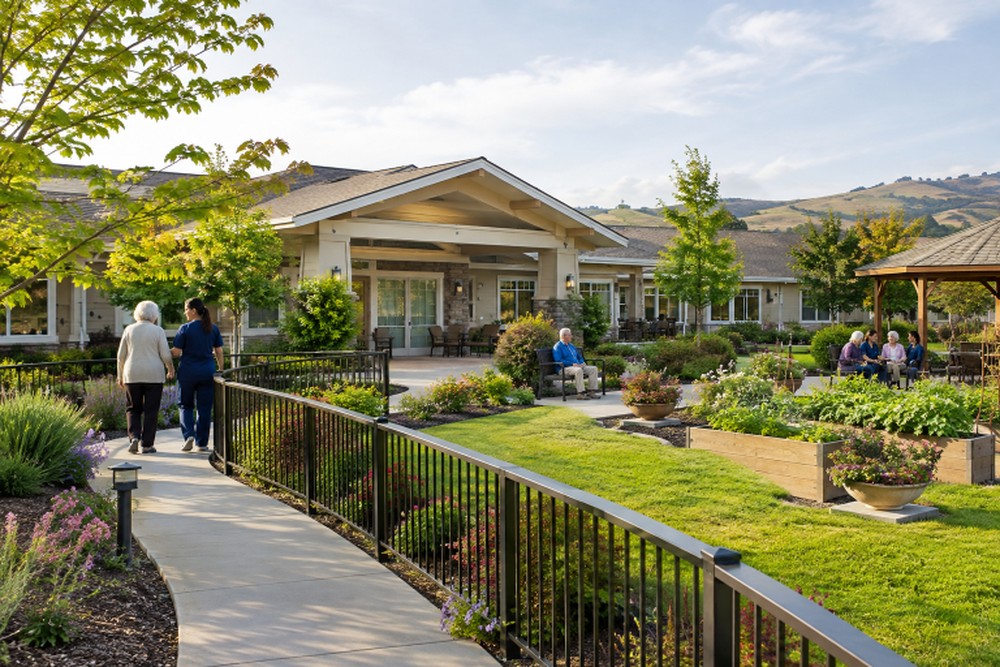
Choosing memory care for a parent, spouse, or close friend is a major decision, especially when safety concerns and changing daily needs make time feel limited. Families in Vacaville and the surrounding Solano County area can begin by exploring residential memory-care services that provide a supportive setting while keeping loved ones reasonably close to family, familiar medical providers, and longtime community connections. The goal is not to find a perfect brochure or make a rushed choice. It is to identify a setting that respects the person’s routines, supports their dignity, and can respond to their current and likely future care needs. A good decision-making process also gives family members time to compare options thoughtfully, ask follow-up questions, and ensure everyone understands what a particular community can and cannot provide.
When Memory Care May Be the Right Next Step
Memory care is not a sign that a family has failed. It can be an appropriate next step when support at home no longer reliably meets a person’s needs. Concerns may include repeated wandering, unsafe use of appliances or medications, falls, missed meals, poor hygiene, nighttime distress, or caregiver exhaustion. A physician or qualified care professional can help families understand whether a higher level of support may be appropriate.
It can help to look for patterns rather than focusing on one difficult day. For example, a single missed medication may be manageable with a new reminder system, while repeated medication errors, frequent confusion about how to return home, or increasing overnight supervision needs may signal that more consistent support is needed. Caregiver wellbeing matters too: when a family caregiver is losing sleep, missing work, or feeling unable to leave the person alone safely, the current arrangement may no longer be sustainable.
Start With the Person’s Daily Care Needs
Before comparing Vacaville communities, create a straightforward list of needs. Note what the person can do independently, where reminders are enough, and where direct help or supervision is needed. Include bathing, dressing, eating, mobility, medication routines, sleep patterns, communication, behavior changes, and social preferences. Try to make the list specific enough to describe an ordinary day. Instead of writing only “needs help getting ready,” note whether the person needs verbal reminders, hands-on assistance with clothing, help entering the shower safely, or supervision because they become disoriented. This level of detail makes it easier for a community to explain whether its staff, environment, and care approach are a good match.
A Simple Needs Worksheet
- Which routines help the person feel calm and secure?
- What situations cause fear, confusion, or frustration?
- What level of help is needed in the morning, evening, and overnight?
- What care needs may change during the next six to 12 months?
- Are there mobility devices, dietary needs, hearing or vision concerns, or communication preferences staff should understand?
- Which hobbies, faith traditions, music, pets, or social activities are meaningful to the person?
Compare Care Options Carefully
In-home care, assisted living, memory care, and skilled nursing do not provide the same level of supervision or medical support. Some older adults may do well with help at home, while others need a setting designed for ongoing dementia-related support. The National Institute on Aging recommends considering both the services needed now and those that may be needed later when choosing a long-term care facility.
Ask each provider to describe its actual process rather than relying on broad terms such as “personalized care” or “24-hour support.” Families should understand who provides direct care, when a nurse or other clinical professional is available, how changes in condition are assessed, and what circumstances could require a transfer to a hospital or another level of care. A community that is a good fit should be able to explain its services in plain language.
- Availability of staff during days, nights, weekends, and holidays.
- Dementia-focused staff training and care-plan practices.
- Approaches to falls, wandering, medication support, and distress.
- Transportation arrangements for appointments.
- Activities that encourage movement, connection, and purpose.
- How and when families receive updates.
- Whether the community can accommodate dietary needs, mobility limitations, and changing personal-care needs.
What to Look for During a Tour
Visit more than one community, and if possible, return at a different time of day. In a community near Vacaville, consider how easily relatives can visit from Dixon, Fairfield, Davis, Napa, or Sacramento. During each visit, observe whether common areas are clean, comfortable, and easy to navigate. Notice how staff speak with residents, whether residents appear engaged, and whether the dining environment feels calm. Ask to see outdoor spaces, bathrooms, activity areas, and the resident rooms available for move-in. A secure outdoor area and clear walking paths may be important for someone who enjoys fresh air or tends to pace. Pay attention to the overall pace of the setting. Staff should appear aware of where residents are and responsive when someone asks for help, while residents should have opportunities for choice and appropriate independence. It is also useful to observe a meal or activity if the community permits it. Seeing a normal part of the day can offer a clearer picture of the atmosphere than a scheduled tour alone.
Questions to Ask Staff and Leaders
- How many team members are on duty during each shift?
- What training do staff members receive for dementia care?
- How often are care plans reviewed and updated?
- How are falls, wandering, and nighttime distress handled?
- Who contacts the family when health or behavior changes?
- How are medications managed and documented?
- What does a typical day of activities look like?
- What happens if the resident needs more care over time?
- Can family members participate in care-plan discussions and share information about the resident’s preferences?
- How does the community handle emergencies, hospital visits, and a resident’s return after hospitalization?
Write down the answers while they are fresh, especially when touring several locations over a short period. If an answer is vague, ask for an example of how the policy works in practice. Families do not need to feel pressured to decide during a tour; a well-run community should be willing to provide time for review and follow-up.
Review Costs, Contracts, and Payment Options
The monthly rate may not show the complete cost of care. Request a written list of included services and possible added charges for care levels, medication support, transportation, personal supplies, deposits, and future rate changes. Ask what happens if the resident’s needs change or the contract must end. It may be helpful to compare each community using the same categories: base monthly charge, one-time move-in costs, recurring care charges, and services billed separately. Ask when fees can change, how much notice is provided, and whether a reassessment of care needs may affect the monthly amount. Keep copies of the rate sheet, residency agreement, and any written promises made during the selection process. California families can also use the state’s facility search and licensing resources to learn more about licensed senior care settings and how to review facility information. Long-term care insurance, personal funds, and public benefit programs may apply differently depending on the individual situation, so clarification from a qualified financial or legal professional can be valuable.
Create a Family Decision Plan
Assign one relative to organize notes, tours, and documents. Invite key family members to share concerns, but keep safety, comfort, dignity, and practical care needs at the center of the discussion. Use the same questions at every community, record strengths and concerns immediately after each visit, and set a date to review the options together. If the person can participate in the decision, include them in a way that feels respectful and manageable. They may have strong preferences about location, room layout, food, daily routines, or how often loved ones visit. Even when memory loss affects decision-making, listening to those preferences can help the family choose a place that feels more familiar and person-centered.
Help a Loved One Prepare for the Move
Bring familiar items that can make a new room feel more personal, such as photographs, favorite music, a familiar blanket, or simple decorations. Share a short personal history with staff, including preferred foods, routines, comforting topics, important relationships, and strategies that help during stressful moments. The first days can be emotional, so calm visits and consistent communication with staff can support adjustment. Keep the move-in day as simple as possible. Label personal belongings, provide an updated list of medications and medical contacts, and avoid bringing so many items that the new room becomes cluttered or difficult to navigate. In the weeks after the move, communicate with staff about what seems to be working and what may need adjustment, such as sleep routines, activity choices, or visiting patterns.
Warning Signs That Deserve a Closer Look
- Staff avoid direct questions about costs, staffing, or care practices.
- A sample contract or written fee schedule is unavailable before a commitment.
- Residents appear ignored, unclean, or isolated without explanation.
- Promised services are not clearly described in writing.
- Activities are listed but not visible during repeated visits.
- Answers about staff turnover or emergency procedures are unclear.
- The community discourages follow-up questions or pressures a family to sign before reviewing documents.
- Staff cannot explain how they communicate important health, safety, or care changes to families.
Final Thoughts
Choosing memory care in Vacaville does not have to happen in one overwhelming conversation. A clear list of needs, careful tours, direct questions, written cost comparisons, and family teamwork can make the decision more manageable. The strongest choice is usually the one that supports the person’s needs today while offering a realistic plan for tomorrow. Permit yourself to revisit the decision as circumstances change. The right community is not simply one with attractive amenities; it is one where the resident can receive attentive support, maintain meaningful routines, and remain connected to the people who care about them. Thoughtful preparation can help families move forward with greater clarity and confidence.