Switching your business to renewable power starts with a full energy audit. You need to review your utility bills from the past year to understand your peak usage times. This step helps you determine the exact size of the system required to power your daily operations.
Many companies make the mistake of buying a system that is too large or too small. Analyzing your power consumption patterns ensures you invest in the right setup. It also helps you spot energy waste in your building before you install new equipment.
Evaluating Roof and Property Conditions
Before placing equipment on your roof, you must check its structural strength and age. Solar panels last for decades, so your roof should be in great condition before work begins. If your roof needs repairs, it is best to complete them first.
You should also check the amount of sunlight your property gets throughout the day. Shade from nearby trees or high buildings can lower total power generation. If roof space is limited, ground-mounted setups offer a strong alternative for your facility.
Exploring Financial Incentives and Tax Credits
Installing a commercial system requires an upfront investment, but incentives can lower the total cost. Federal tax credits, state rebates, and local grants help make renewable setups far more affordable.
Taking advantage of these programs shortens the time it takes to see a full return on your investment. Be sure to check local rules to maximize every available cost-saving option.
Working with Qualified Professional Installers
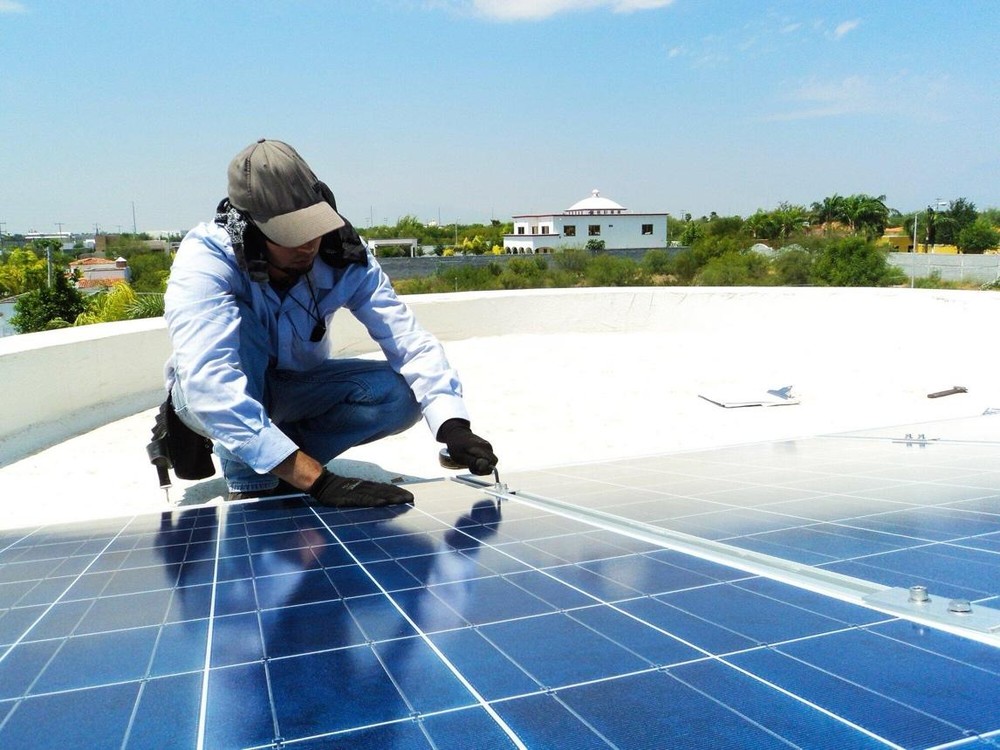
Partnering with an experienced installation team keeps your project safe and compliant. Proper scheduling minimizes disruption to your business, and hiring experts for Solar Panel Installation in Albuquerque, NM, or your area guarantees that your equipment meets all safety codes. Qualified workers handle complex wiring and connect your system smoothly to the grid.
Attempting a self-installation or hiring uncertified labor can lead to costly mistakes. Certified installers also guide you through the local permit process and help coordinate utility approvals.
Choosing the Right System Components
Selecting quality equipment ensures your system runs well for decades. You will need to select high efficiency panels, durable mounting hardware, and reliable power inverters.
- High-efficiency solar panels
- Central or micro inverters
- Secure roof racking systems
- Smart monitoring hardware
- Optional battery storage units
Batteries can store extra power created during peak daylight hours for later use. Smart monitoring tools also track daily output and alert you to any technical problems right away.
Keeping Your Solar System Working Well
Your solar panels do not need much help to stay clean. But you must check them often so they work at their best. Dirt and snow can get on the glass. This stops the sun from shining through. Then your panels make less power.
Wash the glass panels when they look dirty. Look at your computer screen to watch how much power they make. If you fix small problems fast, you will save lots of money later.
Looking for More Tips and Ideas?
Transitioning to clean energy cuts operational costs and builds a more sustainable business model. Following these key steps ensures a smooth project from planning to final power activation.
We have got you covered if you want to learn more, so check out some of our other posts now.