If you live in a warm, humid place with regular rain bursts and long growing seasons, your irrigation system works harder than you may think. In South Tampa, yards deal with sandy soil, heat, sudden storms, and strict expectations for curb appeal. That mix can quietly wear down sprinkler components. A small issue underground or at a sprinkler head can turn into soggy grass, rising water bills, or patchy brown spots faster than most homeowners expect.
Why sprinkler problems usually start small
Your irrigation system rarely fails in one dramatic moment. It tends to drift out of alignment, lose pressure, develop a leak, or clog up one zone at a time. At first, the signs are easy to miss. One corner of the lawn stays damp. A flower bed looks thirsty while everything else is overwatered. You hear a faint hiss near the valve box and shrug it off.
That quiet buildup matters. A damaged head can spray the sidewalk instead of the turf. A cracked pipe can waste water underground for weeks. Even a controller with outdated settings can create stress for grass and plants. You don’t need a full sprinkler autopsy to notice trouble. You just need to pay attention before your yard starts waving a little green distress flag.
How weather and soil conditions make repairs more likely
Irrigation systems respond to local conditions, not just manufacturer specs. In coastal Florida environments, heat pushes systems to run more often, while sandy soil drains quickly and can mask waste until the damage spreads. Add tree roots, seasonal downpours, and shifting ground, and you have a setup that keeps technicians busy.
Rain can complicate things too. Heavy storms may convince you your lawn is getting plenty of water, but sprinkler damage often shows up only after the soil dries out again. You may also have runoff in one area and drought stress in another. That uneven pattern often points to calibration problems, clogged heads, or pressure imbalance.
If you’re evaluating yard issues and considering sprinkler repair in South Tampa, local conditions should stay part of the conversation. The same symptom can have a different cause depending on soil behavior, plant layout, and drainage.
The most common warning signs in your yard
A healthy irrigation system should distribute water evenly and predictably. When it doesn’t, your lawn usually tells you first. Brown patches, mushy sections, and uneven plant growth often point to a coverage issue rather than a fertilizer problem. If one area grows like it joined a gym while another looks exhausted, your sprinklers may be misfiring.
Watch for these common clues:
– Sprinkler heads that sputter, mist, or fail to pop up
– Water pooling near one zone after a cycle ends
– Sidewalks or driveways getting more water than the lawn
– Sudden increases in your water bill
– Soil erosion around flower beds or slopes
– Low pressure across several heads in the same zone
These problems can come from broken nozzles, valve issues, root intrusion, pipe leaks, or poor spray alignment. None are unusual, but all deserve a closer look.
What you can check on your own before calling a pro
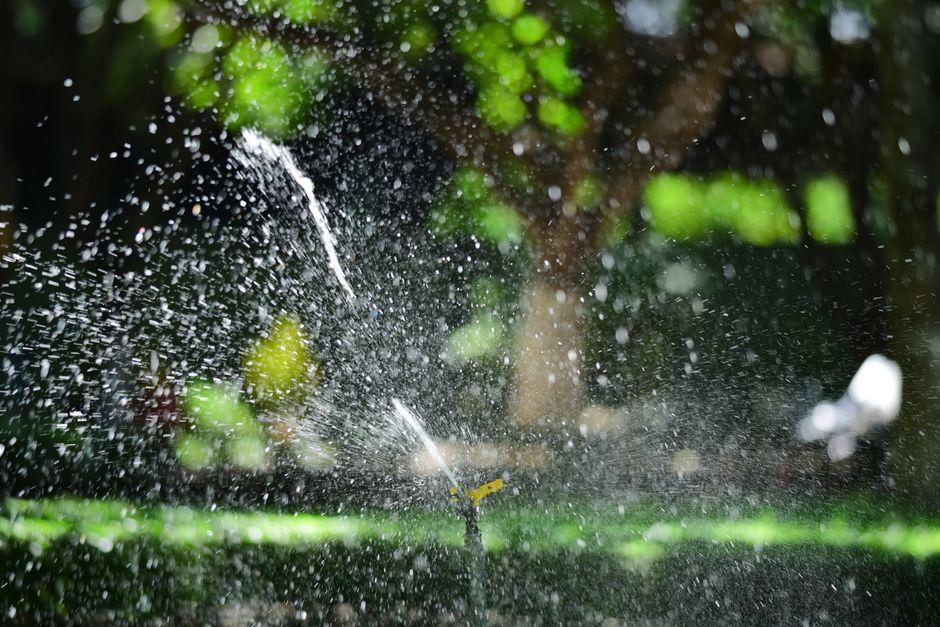
You don’t need advanced irrigation knowledge to do a basic inspection. Run each zone for a few minutes and walk the property slowly. Look at how each sprinkler head pops up, where the water lands, and whether the spray pattern looks clean or chaotic. If a head is dribbling like it just woke up from a nap, that’s useful information.
A quick homeowner check can include:
– Clearing grass or mulch covering sprinkler heads
– Looking for tilted, sunken, or cracked heads
– Checking for unusually soft ground between heads
– Confirming the controller time and schedule are accurate
– Watching whether all heads in one zone have similar pressure
Avoid digging or disassembling parts unless you know the system layout. Some problems are visible above ground, but others involve wiring, valves, or buried lines. Your goal is to gather clues, not accidentally create a sequel.
When a repair is more than a simple head replacement
Some irrigation issues seem minor but point to deeper system trouble. Replacing one broken head is straightforward. Replacing the same head twice in two months suggests something else is off. Pressure surges, poor installation, aging components, and pipe damage can all create repeat failures that waste time and money.
Valve problems are a common example. If a zone keeps running after the controller shuts off, the issue may involve a stuck valve diaphragm or electrical fault. If several heads lose pressure at once, the culprit could be a hidden leak or obstruction. A controller that skips zones may need rewiring, reprogramming, or replacement.
At that point, the repair conversation shifts from parts to system performance. You’re no longer just fixing what looks broken. You’re trying to understand how the entire layout is behaving under real conditions.
Smart maintenance habits that prevent expensive damage
Preventive maintenance is not glamorous, but it beats paying for turf replacement, drainage corrections, or hardscape staining later. A few seasonal checks can catch wear before it turns into water loss or plant stress. If your system runs automatically, regular observation matters even more, since hidden inefficiency can keep going without any dramatic warning.
Useful habits include:
– Inspecting sprinkler heads monthly during peak watering season
– Adjusting schedules after major weather changes
– Testing rain sensors to make sure they work properly
– Trimming grass and plants around heads for full spray coverage
– Reviewing water bills for unexplained spikes
– Scheduling periodic professional inspections for older systems
Maintenance also supports water efficiency, which matters in places where runoff, restrictions, and utility costs are real concerns. Saving water is practical, not just virtuous. Your lawn can look sharp without acting like it has an unlimited budget.
How to think about repairs as part of overall home upkeep
Irrigation problems often get pushed behind more visible home projects. A cracked tile or peeling paint tends to grab attention faster than a valve box issue. Still, your sprinkler system affects more than the lawn. It can influence foundation moisture, landscape health, pest activity, and the lifespan of nearby surfaces.
Overwatering near the house can create persistent dampness. Poor drainage can weaken planting beds and encourage fungal issues. Spray hitting fences, windows, or masonry over time can leave mineral buildup and unnecessary wear. In other words, irrigation is not a side character in home maintenance. It’s part of the infrastructure.
Treating repairs early helps you protect curb appeal and avoid broader problems. You don’t need to obsess over every sprinkler cycle, but you should know the difference between a healthy system and one quietly wasting water underground. A little attention now can save you from a yard that looks confused, expensive, and weirdly swampy later.