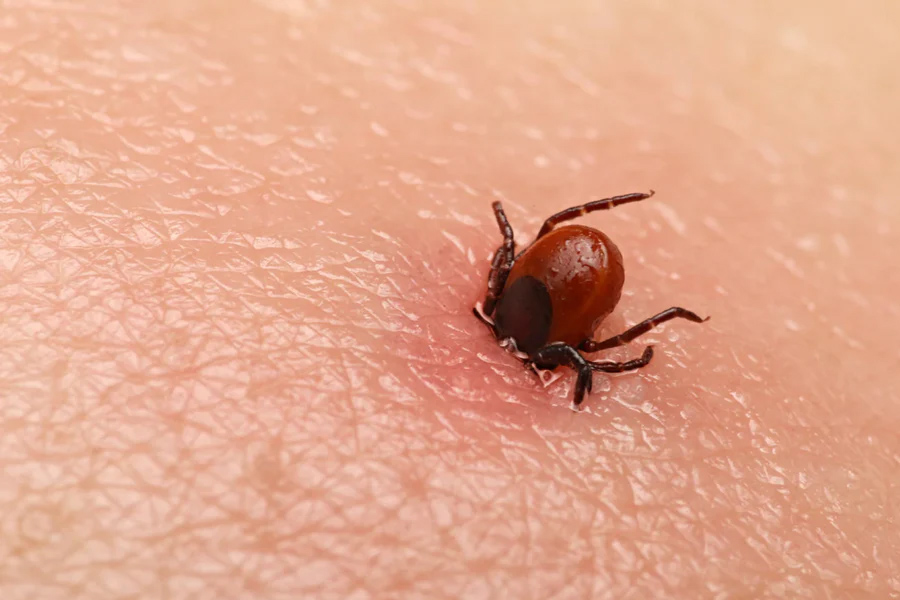
Why Tick Season Feels Like a Tiny Horror Movie
Warm weather has a way of making everyone suddenly ambitious. Hikers appear. Garden gloves come out of hiding. Dogs start dragging their humans toward every patch of grass in sight. Unfortunately, ticks also treat this season like a grand reopening.
These tiny freeloaders are patient, sly, and amazing at ruining a nice time outside. They don’t buzz or declare themselves theatrically. They wait. Quietly. Rudely. They attach like a reserved seat to your ankle.
The good news is that ticks can be avoided without a glass dome. It requires intelligent routine. A few simple behaviors can reduce your risk of being bitten, protect your family, and make outside time less risky. Try to view tick safety as a system, not a miracle.
Where Ticks Like to Hang Out
Ticks are not wandering every inch of the outdoors like tiny backpackers. They prefer specific places that give them moisture, shade, and easy access to animals or humans passing by. If a spot feels cool, dense, and a little wild, ticks may already consider it premium real estate.
Tall grass is traditional. Brushy margins between lawns and woodlands, paths with overhanging plants, and jungle-themed landscapes are also popular. Leaf heaps are appealing. A pile of moist leaves means less yard rubbish and more luxury apartments to a tick. Keeping outdoor areas properly managed protects both resident comfort and property value, and the same diligence applies when it comes to real estate investment.
That does not mean every outdoor area is equally risky. Open sunny lawns tend to be less welcoming for ticks than shady overgrowth. A clean path through a park is usually a better bet than stomping through tangled plants because you decided to “take the scenic route” and immediately regretted it.
Learning to spot likely tick zones helps you make small decisions that matter. Step around the brush. Stay out of the weeds. Resist the urge to crash through vegetation like the hero of an action film.
Dressing Like a Person Who Refuses To Be a Tick Buffet
Tick prevention starts before you even leave the house. Clothing can act like a portable shield, and ticks are much less successful when they have fewer chances to reach bare skin.
Hot weather doesn’t make long sleeves and pants beautiful, but neither does finding a tick behind your knee that night. Tucking jeans into socks makes an unexpected but effective barrier. Consider it a fashion statement saying, “Not today, parasites.”
Light-colored clothes help too. Because ticks are easier to notice against pale cloth, you may capture one before it climbs with determination and malice. For obvious reasons, closed shoes beat sandals in dangerous places. Ticks don’t require invitations. Bare feet and open shoes simplify their work.
If you know you will be in grassy or wooded spaces, dress with the goal of reducing access points. The fewer shortcuts available, the more likely a tick will fail its mission.
Repellents Are Not Fancy Extras
Some people treat insect repellent like an optional accessory, right up there with a stylish water bottle or a hat they may or may not wear. During tick season, repellent earns a more serious role.
Applying a quality tick repellent to exposed skin can make you far less appealing. Treating clothing and gear can add another layer of protection. This matters because ticks often begin their attack on shoes, socks, cuffs, and lower legs before working upward like tiny criminals on a ladder.
Repellent works best when used intentionally. Apply it before heading out, not halfway through your walk after you have already brushed through suspicious-looking grass. If you are spending hours outside, be mindful of how long the product lasts and whether reapplication is needed.
Backpacks, picnic blankets, and pet gear can also carry unwanted hitchhikers. If something will be dragged through grass, set on the ground, or leaned against brush, it is worth treating the item as part of your defense plan rather than an innocent bystander.
The Post Outdoor Inspection Nobody Should Skip
Once you come back inside, the adventure is not fully over. This is the moment for the tick check, also known as the least glamorous but most useful scavenger hunt of the day.
Ticks often head for warm, hidden spots. Check behind the knees, under the arms, around the waistband, near the belly button, behind the ears, and along the scalp. They are not creative, but they are persistent. A quick glance is not enough. This requires an actual inspection.
Showering after being outdoors can help wash off unattached ticks and gives you a chance to notice anything unusual. It also provides the emotional comfort of feeling less like the forest followed you home.
Children need extra attention because they are experts at collecting nature in all forms, including the forms nobody wants. Pets should also be checked thoroughly. A dog can trot in looking innocent while secretly transporting a stowaway on its ear flap. Cats are no less capable of this betrayal.
Clothing deserves attention too. Do not toss outdoor clothes onto a chair and assume all is well. Inspect them, and if needed, wash and dry them promptly. Heat can help deal with any tick that managed to cling to fabric.
What To Do If a Tick Actually Bites
Finding an attached tick can trigger a very specific type of disgust. Try not to panic. The goal is to remove it properly and quickly without turning the situation into an arts and crafts disaster.
Use fine tipped tweezers. Grasp the tick close to the skin and pull upward with steady pressure. Do not yank wildly, twist dramatically, or attempt folk-remedy nonsense involving mystery oils, flames, or persuasive speeches. The tick will not be moved by your outrage.
After removal, clean the area well and wash your hands. It is smart to keep track of when the bite happened and where the tick was attached. That way, if symptoms show up later, you are not trying to reconstruct events from memory like a detective in a medical drama.
The bite site should be watched over the next days and weeks. A little irritation can happen, but worsening redness, unusual rash patterns, fever, body aches, or fatigue deserve prompt medical attention. Ticks may be tiny, but the illnesses linked to them are not.
Making Your Yard Less Appealing to Tiny Freeloaders
If your yard has become a tick paradise, the battle starts at home. Ticks thrive in cluttered, shady, damp spaces, so basic yard care can make a real difference.
Keep grass trimmed. Remove leaf piles before they become deluxe tick lounges. Clear brush and overgrowth around play areas, walkways, and patios. If your property borders a wooded section, create a cleaner edge rather than letting the landscape blur into a shaggy mystery zone.
Firewood stacks should be kept neat and off the ground when possible. Rodents like messy hiding places, and rodents can help ticks move into your space like uninvited party guests who somehow know where the snacks are.
It also helps to think about where people and pets spend time. The more you separate lounging, playing, and entertaining areas from brushy borders, the better. A yard does not have to look sterile. It just should not look like a place where ticks can open a thriving small business.
Pets Need a Tick Strategy Too
Pets do not usually share your concern about tick prevention. They are too busy sprinting into bushes with confidence and poor judgment. That means you have to handle the planning for them.
Regular tick prevention products are one of the best tools for keeping pets safer. Beyond that, inspect them after walks, hikes, or backyard play. Check around ears, collars, under legs, between toes, and along the belly. Ticks can hide in fur with irritating skill.
Grooming helps with detection, especially for long-haired pets. It is also helpful to keep pet bedding clean and to be mindful about where animals roam. If one corner of the yard is especially overgrown, it may be wise to keep your dog from charging into it like an explorer claiming new territory.
When pets are protected, your household gains another layer of defense. A tick that never catches a ride indoors never gets the chance to become anyone else’s problem.
Symptoms That Should Not Be Ignored
Not every tick bite leads to illness, but ignoring symptoms is a bad gamble. Some tick related illnesses start with signs that are easy to dismiss as a random bug, overexertion, or a rough night of sleep.
Fever, chills, headache, muscle aches, unusual fatigue, and rash should all get your attention, especially if you have been outdoors recently or found a tick attached. Some people develop a spreading rash, while others may not. That is why it is important not to rely on a single classic sign.
Timing also varies. Symptoms may emerge quickly or slowly. If something seems odd after a taste, take it seriously. Early treatment may make a tremendous impact, and there’s no point in seeming good while your body sends danger signs.
Building Tick Safe Habits Into Everyday Life
The easiest prevention habits are the ones that become automatic. When outdoor safety turns into routine, it no longer feels like a chore. It becomes part of getting ready, like grabbing your keys or remembering where you left your water bottle this time.
Keep repellent where you will actually use it. Put a reminder near the door if needed. Make tick checks standard after hikes, yard work, camping, and dog walks. Teach children what ticks look like without turning the backyard into a place of doom and suspense.
Awareness aids activity planning. Select maintained paths. Bring outdoor seating groundcover. Avoid dumping bags or coats into thick grass. Small choices add up, and excellent prevention typically works. A single heroic deed is unusual. Ordinary decisions prevent difficulty from establishing itself.
FAQ
What time of year are ticks most active?
Ticks are often most active during the warmer months, especially from spring into summer, though activity can extend beyond that depending on local weather. Mild conditions can keep them moving longer than people expect.
Can ticks bite even in a tidy suburban yard?
Yes. Ticks do not require a deep wilderness backdrop and dramatic violin music. They can live in residential yards, especially where there is shade, leaf litter, brush, or frequent animal traffic.
Is it enough to check only your legs for ticks?
No. Ticks can crawl to hidden areas all over the body. A proper check includes the scalp, behind the ears, under the arms, around the waist, behind the knees, and other warm tucked-away spots.
Should pets be checked even if they use tick prevention?
Yes. Preventive products are extremely helpful, but regular checks are still important. Pets can carry ticks indoors before the pests die or detach, so inspection remains part of a solid routine.
What should you avoid doing when removing a tick?
Avoid crushing it with your fingers, twisting it out recklessly, or using random home remedies to force it off. Steady removal with fine tipped tweezers is the safer approach.
When should someone worry after a tick bite?
Pay attention if fever, rash, fatigue, headaches, or muscle aches develop after a bite. Any unusual symptoms after outdoor exposure should be taken seriously, especially if they grow worse instead of fading.