A backyard fence influences more than the boundary of a property. Its design affects how residents experience privacy, natural light, airflow, and the surrounding landscape. Choosing an appropriate style requires understanding how different board arrangements change the appearance and function of outdoor spaces.
A Wood Fence can create a traditional garden setting, complement contemporary architecture, or provide a comfortable backdrop for outdoor activities. However, not every design offers the same degree of screening or openness. Board spacing, orientation, height, and construction details all contribute to the finished result.
Hawk Fences LLC can help homeowners explore design options that reflect their outdoor priorities. A family seeking privacy around a patio may prefer a different arrangement from someone hoping to preserve garden views. Understanding these preferences makes it easier to select a fence that feels appropriate for everyday living.
How Board Arrangement Influences Fence Performance
Wood fencing comes in several configurations, each creating a different relationship between neighboring spaces. Traditional vertical boards, overlapping panels, alternating boards, and horizontal layouts offer distinct visual characteristics. Their practical differences deserve consideration before homeowners settle on a preferred appearance.
Closely positioned boards can limit visibility, while intentional openings allow more air and light through the structure. The arrangement also determines how the fence looks from opposite sides.
Rather than choosing a design from photographs alone, homeowners should consider how it will function across their particular backyard.
Traditional Vertical Fencing Offers Familiar Appeal
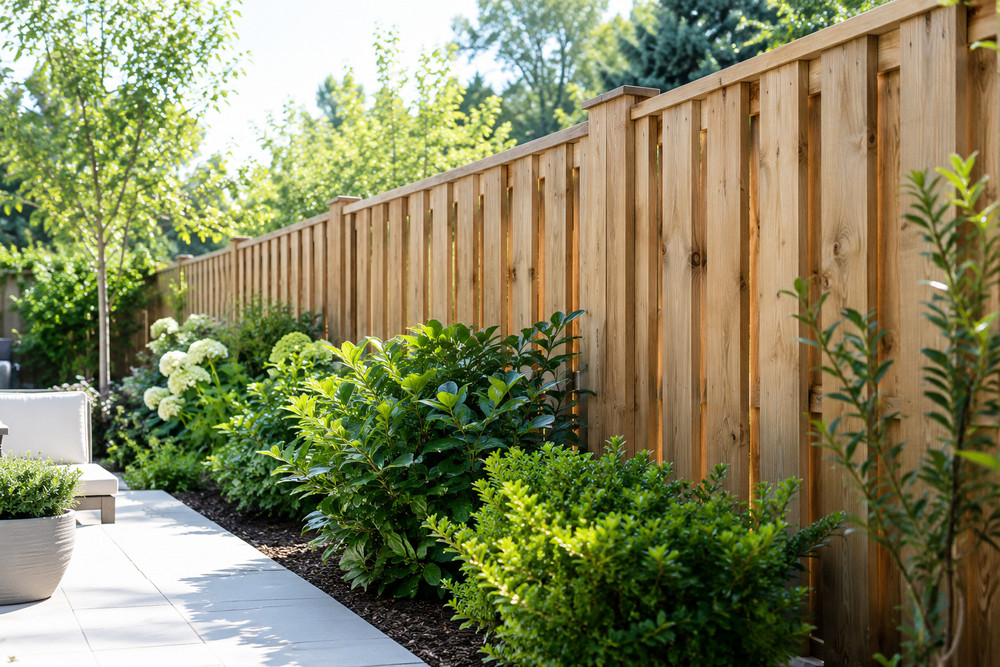
Vertical fencing remains a popular design because its straightforward appearance complements many residential properties. Boards extend upward between supporting rails, creating a recognizable pattern along the boundary. Depending on their spacing, these boards can provide substantial screening or a more open appearance.
The design works with numerous architectural styles, including traditional and contemporary homes. Different board widths and decorative tops can subtly change its character.
Vertical arrangements also provide flexibility when homeowners want a simple boundary without elaborate decorative features. Their visual rhythm can complement garden beds, shrubs, and outdoor seating areas.
Board-on-Board Designs Provide Greater Screening
Board-on-board fencing uses overlapping vertical boards to reduce visible gaps between neighboring components. This arrangement can offer greater visual separation than a basic fence with boards positioned edge to edge. It is particularly relevant where privacy is a primary consideration.
Wood naturally responds to changes in moisture and temperature. Overlapping construction can help limit the visibility of gaps that might otherwise develop between boards.
Consider the Appearance From Both Sides
Board-on-board designs may have different visual characteristics depending on their construction. Homeowners should review how the finished fence will appear from the yard and neighboring areas. Both perspectives influence the overall presentation.
Shadowbox Fencing Balances Privacy and Airflow
Shadowbox fencing typically uses boards attached alternately to opposite sides of the supporting rails. This arrangement creates a layered appearance while allowing some movement of air through the fence. The amount of visibility depends on board spacing and viewing angle.
From certain positions, overlapping boards can provide meaningful screening. From other angles, openings may remain noticeable.
Hawk Fences LLC can discuss how these characteristics relate to a homeowner’s privacy expectations. Understanding the difference between visual screening and complete enclosure helps prevent disappointment after construction.
Horizontal Fencing Creates a Contemporary Appearance
Horizontal fencing places boards lengthwise across the boundary rather than vertically. Its continuous lines can create a distinctive appearance that complements modern architecture and structured landscaping. Board width and spacing strongly influence the overall effect.
Closely arranged horizontal boards may establish a substantial privacy screen. Wider spacing creates a lighter appearance while allowing more visibility.
The design should account for appropriate support and material characteristics. Long horizontal boards require careful consideration of structural requirements and expected wood movement.
Privacy Needs Vary Across the Backyard
Not every part of a yard requires identical screening. Areas near neighboring windows may benefit from greater privacy, while garden boundaries could remain more open. Recognizing these differences helps homeowners choose a purposeful design.
Outdoor dining areas, pools, and seating spaces may have particular privacy expectations. The appropriate arrangement depends on surrounding properties and how residents use each location.
A Wood Fence should support these activities without making the entire yard feel unnecessarily enclosed. Selecting a design involves balancing separation with the outdoor atmosphere homeowners want to maintain.
Airflow Contributes to Outdoor Comfort
Air movement can influence comfort in outdoor living areas, particularly during warmer weather. Solid fencing may interrupt certain breezes, while designs with openings permit more air to pass through. The actual effect depends on surrounding buildings, vegetation, and local conditions.
Homeowners should consider whether their backyard already feels sheltered or exposed. A design providing maximum screening may not always offer the preferred outdoor experience.
Evaluate Existing Wind Conditions
Wind direction and nearby obstacles can influence how air moves across a property. Observing the yard during different conditions provides useful context. These observations can guide conversations about spacing and panel configuration.
Board Width Changes the Visual Character
The width of individual boards influences how busy or restrained a fence appears. Narrow boards create a more frequent repeating pattern, while wider boards can produce a simpler visual rhythm. Neither approach is automatically more suitable.
Board proportions should relate comfortably to the home’s architecture and surrounding landscaping. A highly detailed pattern may complement one setting but compete with another.
Material availability and construction requirements can also influence appropriate board dimensions. Homeowners should evaluate actual product options rather than relying exclusively on inspiration photographs.
Natural Wood Color Adds Warmth
Wood offers natural variation in grain, texture, and color. These characteristics can create an inviting backdrop for gardens and outdoor furniture. Different species may display noticeably different appearances when newly installed.
Exposure to sunlight and moisture gradually changes the surface. Homeowners should understand that the original color may not remain unchanged without appropriate maintenance.
Hawk Fences can discuss material options alongside the desired appearance. Choosing wood involves considering both its initial character and how it may look after continued outdoor exposure.
Decorative Tops Introduce Subtle Variety
Fence tops can influence the overall appearance without changing the basic board arrangement. Flat, shaped, or decorative profiles create different relationships with nearby architecture. Their effectiveness depends on proportion and surrounding features.
A simple flat top may suit contemporary landscaping. More traditional profiles can complement established gardens and classic exterior details.
Decorative choices should remain secondary to practical requirements. An attractive profile cannot compensate for a design that fails to provide the intended privacy or functionality.
Landscaping Can Complement Wood Fencing
Plants and fencing work together to shape the atmosphere of a backyard. Greenery can soften long wooden boundaries and introduce seasonal interest. However, planting decisions should account for mature growth and future maintenance access.
Climbing vegetation and dense shrubs may create additional screening. Their placement should avoid unnecessary contact that traps moisture or conceals important components.
The strongest landscape arrangements complement the fence rather than overwhelm it. Adequate spacing helps preserve the appearance of both materials and plants.
Consider Long-Term Appearance and Maintenance
Wood fencing requires attention to weather exposure and changing surface conditions. Different species, construction details, and finishes may influence maintenance expectations. Homeowners should understand these differences before selecting a particular design.
Boards may expand, contract, or develop natural surface changes over time. These characteristics should be considered when evaluating spacing and overall appearance.
A Wood Fence offers natural beauty, but maintaining that appearance involves realistic expectations. Choosing suitable materials and understanding their characteristics supports more informed ownership.
Finding the Right Balance for Your Backyard
The most appropriate wood fencing design depends on how homeowners want their outdoor spaces to function. Vertical, board-on-board, shadowbox, and horizontal configurations offer different combinations of privacy, airflow, and visual character. Understanding these distinctions makes the selection process more practical.
Board dimensions, decorative details, natural color, and landscaping also influence the finished appearance. Each decision should contribute to a consistent design rather than introduce unnecessary complexity.
A thoughtfully chosen fence can provide comfortable separation while complementing the surrounding environment. By considering daily activities, outdoor conditions, and long-term expectations, homeowners can create a backyard boundary that feels welcoming, functional, and naturally connected to their property.