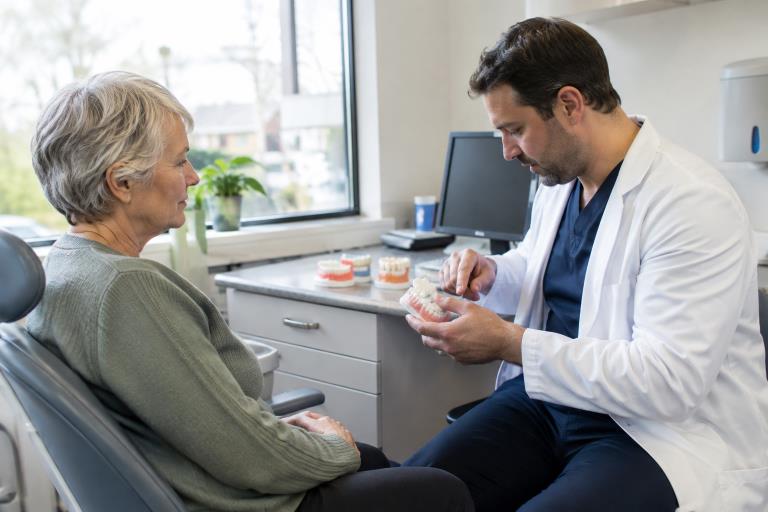
Choosing dentures in St. Louis, Missouri, can feel like a major decision, especially when eating, speaking, and smiling are part of daily work, family gatherings, and community life. Whether someone is replacing a few teeth or an entire arch, exploring options such as snap on dentures St. Louis, MO can help clarify how added stability may fit into a broader treatment plan.
The best choice is not always the newest or most expensive one. A useful plan considers oral health, the condition of any remaining teeth, gum tissue, bite, medical history, appearance goals, and the amount of daily care a person can comfortably manage.
Why the Choice Matters
Missing teeth can affect food choices, pronunciation, facial support, and confidence. A person missing several teeth may need a different approach than someone who has lost all the teeth in one arch. An examination helps identify concerns such as gum inflammation, worn teeth, bite imbalance, or limited bone support before a denture is designed.
The Main Denture Options
Full Dentures
Full dentures replace all teeth in an upper or lower arch. They are generally removable and rest on the gums. They may be appropriate when no healthy teeth remain in that arch, although a period of adjustment and occasional fit changes should be expected.
Partial Dentures
Partial dentures replace several missing teeth while natural teeth remain. They may use acrylic, metal, or flexible components, depending on the design. Because partial dentures work around existing teeth, those teeth and the supporting gums need regular professional care.
Immediate Dentures
Immediate dentures can be placed shortly after teeth are removed, so a person does not have to go without teeth during the initial healing period. As gum tissue changes shape during healing, relines, adjustments, or a replacement denture may be needed later.
Implant-Supported Removable Dentures
Implants can provide added retention for a removable denture. The appliance is still removed for cleaning, but attachments may help reduce movement. Bone levels, gum health, healing capacity, and medical history are part of determining whether implants are suitable.
Fixed Full-Arch Restorations
Fixed full-arch restorations are secured to implants and are not removed at home. They may offer a different feel from removable appliances, but they still require detailed cleaning around the restoration and regular professional maintenance. Treatment often involves more planning, surgery, time, and cost.
How the Options Compare
- Full dentures: Usually considered for replacing all the teeth in one arch. They require daily removal and cleaning.
- Partial dentures: Designed for several missing teeth when natural teeth remain. Cleaning includes both the appliance and the remaining teeth.
- Implant-supported dentures: May be removable or fixed, depending on the design. They require attention to the denture, implants, and surrounding gums.
- Planning needs: Conventional dentures focus on gum shape, bite, and facial support. Implant options also require surgical and bone-support evaluation.
Comfort, Speech, and Chewing
A well-fitting denture should feel secure without sharp pressure points. New dentures can temporarily change speech and increase saliva flow while the mouth adapts. Start with softer foods cut into smaller pieces, chew on both sides when possible, and return for an adjustment if soreness, clicking, slipping, or chewing difficulty continues.
Daily Care and Maintenance
Simple Daily Steps
- Rinse removable dentures after meals.
- Brush them gently with a denture brush and a suitable denture cleanser.
- Clean the gums, tongue, and any remaining natural teeth.
- Store the appliance as directed when it is out of the mouth.
- Follow individualized instructions about nighttime wear.
Very hot water can warp some denture materials, and abrasive household cleaners can damage surfaces. Do not use household glue to repair a cracked appliance. The American Dental Association’s daily denture care guidance also notes that adhesive is not a lasting solution for a denture that no longer fits properly.
Digital Design and 3D-Printed Dentures
Digital scans may reduce the need for conventional impressions in some cases and can create records that assist with future remakes or adjustments. Newer manufacturing methods are also developing quickly.
Digital tools do not replace careful bite records, an oral examination, or follow-up appointments. Fit, chewing balance, tissue health, and patient comfort still require individualized clinical attention.
Costs, Repairs, and Long-Term Value
Costs vary with the number of teeth replaced, materials, laboratory work, extractions, imaging, implants, and the number of visits required. Ask for a written plan that identifies what is included, such as temporary dentures, adjustments, relines, repairs, attachment components, and future maintenance. Comparing complete treatment plans is more useful than comparing one starting price.
Questions to Ask Before Treatment
- Which denture options are best for my current oral health?
- Will the appliance be removable or fixed?
- How long will fitting, healing, and adjustments take?
- What care will I need at home?
- Which follow-up visits are included in the estimate?
- What symptoms should prompt an earlier appointment?
Common Questions
Are full and partial dentures the same?
No. Full dentures replace all teeth in one arch, while partial dentures replace selected missing teeth when natural teeth remain.
Can dentures look natural?
They can. Tooth shape, shade, spacing, gum color, lip support, and bite design all influence the final appearance.
What if dentures feel loose?
Loose dentures may need an adjustment, reline, repair, replacement, or a different support strategy. Ongoing looseness or pain should be evaluated rather than hidden with extra adhesive.
Can dentures make eating easier?
Dentures can restore chewing function, but comfort depends on fit, bite balance, adaptation, and food choices during the adjustment period.
Final Thoughts
For St. Louis patients, the right denture choice is one that matches the mouth, lifestyle, health needs, and long-term budget. A thoughtful dental evaluation and a clear written plan can make the decision more manageable and help set realistic expectations for comfort, care, and function.