Switching to solar power gives homeowners strong control over high monthly electricity bills. Clean rooftop power cuts grid reliance and protects family budgets from rising utility rates. Setting up panels on your home is a major project. It requires solid planning from day one.
You need to check your roof. You should review daily energy habits. You must choose the right equipment. Good choices early on deliver smooth operation and steady energy savings for decades.
Checking Roof Condition and Sunlight Angle
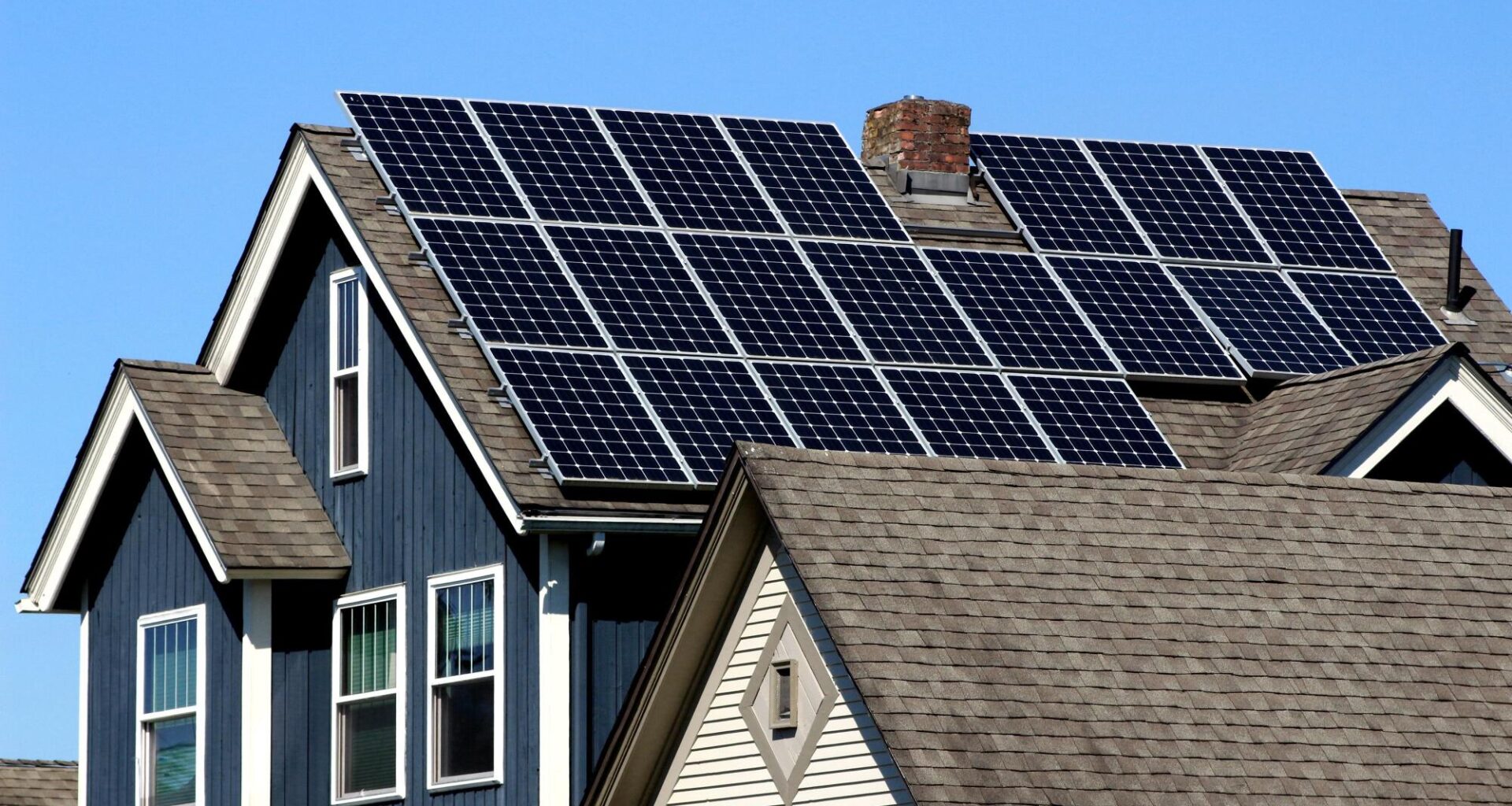
Your roof condition forms the base for every solar project. Panels add extra weight. They stay fixed to rafters for 25 years or more. Any old shingles or cracked tiles need quick repairs before the crew installs heavy mounting frames.
Sun exposure sets the volume of electricity your panels make each day. North-facing roof sections gather the strongest daily light across the southern hemisphere. Roof angles between 20 and 30 degrees capture great sunshine across all 4 seasons.
Shading can cut your electrical output faster than almost anything else. Big trees, chimneys, and nearby walls block direct sun rays during prime midday hours. Trimming tall branches back helps solar cells work at top strength.
Selecting Grid-Tied or Standalone Power
Regional towns and rural Queensland districts face long summers. They also have remote power networks that sometimes drop out during storm season. Many property owners choose off-grid solar systems in Queensland to build complete independence from central power providers. These standalone setups create private energy right on the property. They bank extra power for quiet evenings. Reliable design keeps lights and appliances running through every month of the year.
Grid-tied setups connect your house straight to the shared local utility network. Extra electricity generated during sunny midday hours flows back into the grid for billing credits. The grid acts like a steady reserve when thick clouds roll over your roof.
Hybrid power units mix grid support with personal battery banks. Homeowners save midday solar power for nighttime use. They also keep a live connection to the utility grid. This balance gives blackout protection without forcing you to cut grid cords completely.
Calculating Your Daily Power Consumption
Working out daily kilowatt-hour use sets the direction for panel counts. Utility statements show exact daily numbers across past billing periods. A typical household uses roughly 15 kWh per day for lighting, refrigeration, and cooking.
Heavy electrical devices raise daily use beyond basic baseline numbers. Heat pumps, laundry dryers, and electric vehicle chargers pull a lot of current. Sizing plans must judge these big loads alongside regular lights and kitchen equipment.
Seasonal weather patterns shift electricity demands between hot months and cold periods. Tracking full annual use helps match panel capacity to real family needs:
- Summer air conditioning cycles and swimming pool filtration pumps
- Winter heating units and hot water tanks
- Daily laundry washing machines, dryers, and dishwashers
- Nightly electric vehicle chargers and home workshop tools
Sizing Your Solar Array and Inverter
Accurate solar sizing protects you from paying needless project fees. An undersized system fails to cover household use. It leaves families stuck with heavy power bills. An oversized system makes huge power surpluses. These bring poor financial returns.
Oversized or undersized – either way, you pay too much for your power. Match panel output to real household demand. This prevents wasted spending. A standard 6.6 kW panel array matched with a 5 kW inverter works well for common homes.
Inverters turn direct current power from panels into alternating current for home sockets. Quality inverters track panel performance. They keep energy conversion levels high. An expandable inverter lets you add extra solar panels in future years.
Adding Home Battery Storage
Battery units store daytime solar power so you can run appliances after dark. Without a battery, unused solar power leaves your house and returns small utility credits. Storing that power keeps your home self-sufficient well into late evening hours.
Modern lithium batteries work reliably for 10 to 15 years under daily cycling. A 10 kWh battery easily supports evening lights, television sets, and kitchen refrigerators. Pairing smart battery hardware with solar panels maximizes the value of every ray of sun.
Backup circuits keep key devices online through unexpected neighborhood power cuts. Food stays cold inside refrigerators. Home internet routers remain connected. Homeowners gain steady peace of mind during wild summer storms.
Planning Budgets and Long-Term Value
Project pricing reflects the total size of your system and part quality. Simple grid-tied home systems range from $5,000 to $12,000 after government discounts. Dedicated standalone setups for rural properties typically cost $35,000 to $80,000. They need solar panels, large battery banks, and a backup generator.
Solar serves as a long-term financial move. It protects families from rising energy prices. Harnessing rooftop sun cuts or removes retail utility bills each billing cycle. High-quality gear repays its upfront cost through steady monthly utility savings.
Every dollar spent on durable gear helps prevent costly repairs later on. A solid solar budget covers key system parts:
- High-grade monocrystalline solar panels built for hot climates
- High-efficiency solar inverters with real-time performance tracking
- Safe lithium battery banks designed for deep daily cycles
- Heavy-duty mounting rails tested for strong coastal wind gusts
Choosing Qualified Installers and Warranties
Solar is a long-term investment. So the way it is installed matters. Qualified installers check roof trusses. They seal roof holes tight. They wire electrical parts safely. Proper installation keeps your home dry and safe during heavy downpours.
Always check installer credentials before signing any installation paperwork. Reputable contractors carry valid electrical licenses and clean workplace safety records. Experienced teams secure required utility approvals. They arrange grid connection meters without delays.
Strong warranty terms protect homeowners against gear breakdown. Premium solar panels include 25-year performance warranties. These guarantee reliable energy production.
Maintaining Your Rooftop Hardware
Solar systems contain no moving parts. This makes ongoing maintenance simple and quick. Dust, dry pollen, bird waste, and salt grime collect on panel glass. Heavy dirt layers can lower system output by 5 to 15 percent during dry seasons.
Standard rainfall washes light dust off tilted panels quite well. Flat panels or roofs near dusty roads need an occasional spray with clean garden hose water. Never use harsh scrubbers or strong chemical sprays on protective solar glass.
Software monitoring tools track daily output right from your smartphone. Any sudden drop in energy alerts you to tripped isolator switches or dirty panel arrays. Professional technicians can inspect electrical connections every two years to maintain safety.
Preparing Your Home for Clean Energy
Switching to solar power helps families build independence from rising retail power bills. Taking time to review your options delivers great energy performance for decades to come.
Reach out to local solar specialists to assess your property. Explore the right clean energy setup for your home today. This simple step puts you on the path toward lower utility expenses and sustainable power.