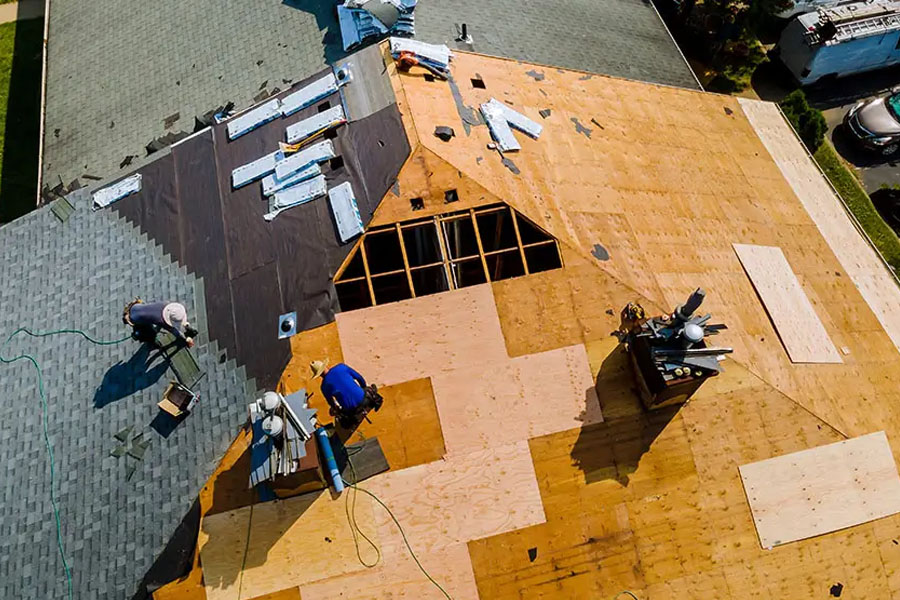
The roof deck is one of the most important structural components beneath a home’s roofing materials. Although it remains hidden under shingles, metal panels, or other coverings, it provides the surface that supports the roofing system. Its condition affects how securely materials can be attached and how well the roof performs over time.
Many homeowners focus on selecting roofing materials without considering the condition of the decking underneath. However, removing an existing roof can expose moisture damage, deteriorated wood, or fastening problems that were previously concealed. These discoveries may require additional work before installation continues.
During roof replacement Asheville, contractors such as Ridge Runner Roofing should evaluate the exposed decking before installing new protective materials. Understanding this process helps homeowners prepare for possible repairs, recognize why certain changes become necessary, and evaluate the condition of the roof beneath its finished surface.
Understanding the Purpose of Roof Decking
Roof decking, sometimes called roof sheathing, forms the structural surface beneath the roofing system. It is typically attached to rafters or trusses and supports underlayment, shingles, and other roofing components.
Common decking materials include plywood and oriented strand board, often called OSB. Some older buildings may have individual wooden boards rather than sheet materials. Each type has specific installation and fastening requirements.
How Roof Decking Supports Roofing Materials
Roofing materials depend on suitable decking for secure attachment. Fasteners must penetrate appropriate supporting materials to hold shingles or other components in place.
Weak, deteriorated, or improperly secured decking can reduce fastening strength and affect the stability of the finished roofing assembly. Even high-quality exterior materials may perform poorly when installed over an unsuitable surface.
Removing Existing Roofing Materials to Expose the Deck
The condition of roof decking cannot always be determined through an exterior inspection. Existing shingles and underlayment conceal much of its surface, making certain defects difficult to identify before removal.
During a typical tear-off project, contractors remove old roofing materials to expose the underlying structure. This allows workers to identify visible deterioration and determine whether the existing decking can support the new roof.
Why Some Damage Appears Only After Removal
Moisture can enter beneath roofing materials through deteriorated flashing, damaged shingles, or poorly sealed openings. Water may gradually affect the decking without producing obvious interior leaks.
Once the old materials are removed, contractors may discover discoloration, softened wood, swelling, or areas where the decking has lost strength.
These conditions require evaluation before new underlayment and roofing materials cover the surface again.
Identifying Moisture Damage and Wood Deterioration
Moisture damage is one of the most common reasons roof decking requires attention during construction. Repeated water exposure can gradually weaken wood-based materials and affect their ability to support fasteners.
Damage may remain concentrated around roof valleys, chimneys, plumbing vents, skylights, or other vulnerable connections. However, widespread moisture intrusion can affect larger sections.
Recognizing Signs of Damaged Decking
Contractors inspect exposed decking for visible deterioration and physical weakness. Common warning signs include:
- Soft or weakened areas that cannot provide suitable support.
- Swollen, warped, or separating wood panels.
- Darkened sections associated with prolonged moisture exposure.
- Deterioration around penetrations and roof transitions.
- Loose panels or damaged fastening locations.
Discoloration alone does not always confirm structural damage. Contractors must evaluate the actual condition of the material before deciding whether replacement is necessary.
Why Damaged Decking Should Not Be Covered
Installing new roofing over weakened decking can conceal existing problems rather than correct them. Deteriorated materials may not hold fasteners securely, and damaged sections can continue affecting the roof assembly.
Correcting these conditions before installing new materials allows the roofing system to rest on a suitable supporting surface.
Determining Whether Decking Needs Replacement
Not every roofing project requires replacing the entire roof deck. Some buildings have decking that remains sound and properly attached despite the age of the exterior roofing materials.
In other cases, isolated areas may require replacement because of moisture intrusion, deterioration, or physical damage.
Contractors performing Roof Replacement should assess the extent of damage before determining the necessary work. Ridge Runner Roofing or another selected contractor should explain which sections require attention and why the existing materials are unsuitable.
Replacing Individual Sections of Roof Decking
Localized deterioration may allow contractors to remove only the affected panels or boards. Replacement materials must be compatible with the roof structure and meet applicable installation requirements.
Workers should also examine the surrounding decking to confirm that deterioration has not extended beyond the visible opening.
When More Extensive Replacement May Be Necessary
Large areas of weakened decking, widespread moisture damage, or unsuitable existing materials may require more extensive work.
Decking thickness, panel spacing, structural support, and fastening requirements can influence the decision. Contractors should consider the selected roofing system and applicable building requirements before proceeding.
Preparing the Roof Structure for New Decking
Decking replacement involves more than removing damaged wood and installing new panels. Contractors must first evaluate the supporting framing and determine whether it remains suitable for attachment.
Rafters, trusses, and other structural members may require closer examination when water damage extends beneath the decking.
Checking the Supporting Roof Framing
Roof framing provides the structural support beneath the decking. If framing members show deterioration, movement, or other damage, additional evaluation may be necessary.
Replacing decking without correcting unsuitable supporting conditions can leave underlying problems unresolved.
Significant structural concerns may require assessment by an appropriately qualified professional before roofing work continues.
Installing and Securing Replacement Decking
New decking must be positioned and attached according to material specifications and applicable requirements. Proper panel placement, fastening patterns, and spacing contribute to the stability of the roof assembly.
Wood-based sheet materials may require suitable gaps between adjoining panels to accommodate normal movement. Installation details depend on the product and roof structure.
Why Proper Fastening Matters
Decking fasteners connect the roof surface to its supporting framing. Incorrect fastener placement, inadequate attachment, or damaged framing connections can affect the assembly’s performance.
Contractors should follow appropriate fastening requirements and verify that replacement panels are properly supported.
These details become difficult to examine once underlayment and exterior roofing materials are installed.
Installing Protective Materials Over the Prepared Deck
After decking repairs are completed, contractors can begin installing the protective layers beneath the primary roof covering.
Underlayment provides an additional barrier against moisture that may reach beneath shingles or other exterior materials. Certain roof areas may require specialized waterproofing products.
Protecting Vulnerable Roof Areas
Roof valleys, eaves, and penetrations may require additional protection depending on the roofing design and applicable requirements.
Protective materials should be installed in the correct sequence and integrated with flashing components. Improper overlaps or unsuitable products can create weaknesses even when the decking is in good condition.
A properly prepared surface allows these layers to be installed according to the selected roofing system’s specifications.
Managing Unexpected Decking Repairs During Construction
Because some decking problems remain hidden until existing materials are removed, unexpected repairs can affect the original project scope.
Additional materials, labor, or structural evaluation may change costs and scheduling. Homeowners should receive an explanation before unplanned work proceeds.
Reviewing Documentation Before Approving Changes
Photographs of exposed damage can help homeowners understand why decking replacement is recommended. Contractors should identify affected areas and explain the proposed corrective work.
Written documentation should describe additional materials, estimated costs, and any changes to the agreed project schedule.
Homeowners working with Ridge Runner Roofing should clarify how unexpected decking repairs will be documented and approved. Clear communication reduces confusion when concealed conditions are discovered.
Why Roof Deck Inspection Matters for Long-Term Performance
The roof deck forms the foundation for the protective roofing materials installed above it. Its condition affects fastening, structural support, and the overall stability of the roof assembly.
A completed roof may appear uniform from the outside, but its performance also depends on components that are no longer visible. Inspecting and correcting decking problems before covering the surface helps prevent unresolved damage from remaining beneath new materials.
During Roof Replacement, Ridge Runner Roofing or another qualified roofing contractor should evaluate exposed decking and address unsuitable sections before proceeding. Homeowners who understand this stage can better assess unexpected repair recommendations and recognize the importance of preparing a sound supporting surface for the finished roof.