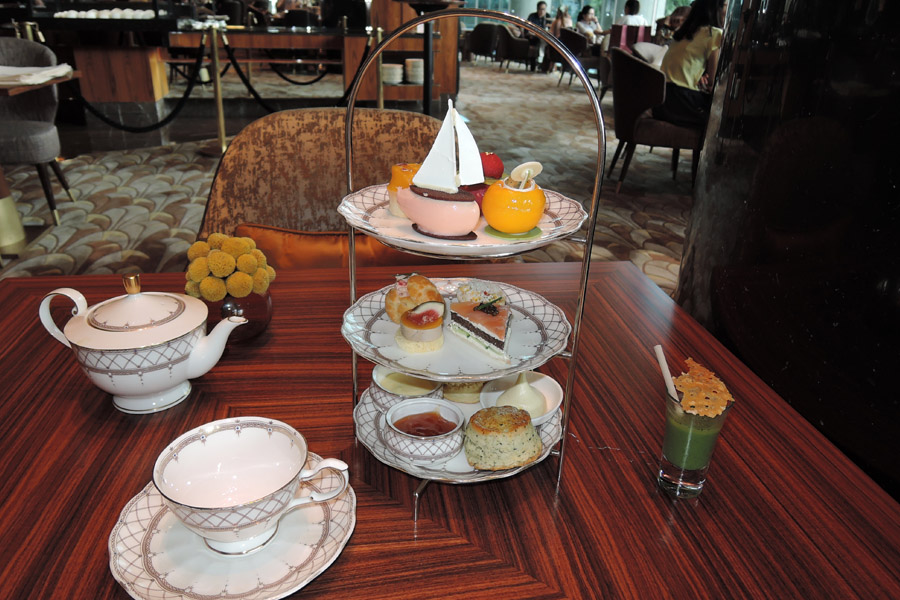
When Guests Judge the Kitchen Before the First Bite
Diners may learn a lot about a food business from a cup of tea. A teapot typically softly introduces the main meal, dessert menu, and chef special before they arrive. Hotter and more aromatic than the table handshake.
Tea that tastes dusty, bland, or like heated cardboard sends a message. Not a nice message either. Corners may have been cut. It suggests drinks were viewed as filler rather than part of the meal. However, clients remark vibrant, fragrant, and purposefully picked tea. They may not stand up and cheer the leaves, but they notice.
Tea shows attention to detail and individuality. A clever tea list completes a café. A clever restaurant matches tea to mood, food, or time. A modest breakfast place might stand out more if its tea has character rather than appearing like it was pulled from a neglected cabinet.
Tea Gives a Menu a Voice
Most menus are busy showing off their stars. There is the truffle thing, the slow cooked thing, the crispy thing balanced on top of a puree with an identity crisis. Tea rarely gets the spotlight, yet it can shape the tone of the whole menu.
A floral tea suggests elegance. A smoky tea suggests confidence. A bright green tea feels clean and modern. A rich black tea feels comforting and generous, like a wool blanket that learned how to brew itself.
This important because meal menus are more than lists. Personalities are documented. Every product, combination, and detail reflects the brand. The idea comes apart if the cuisine is homemade and seasonal but the tea is nameless beige bag in a broken cup. Customers may not say so, but they sense the mismatch immediately.
A good tea program helps a menu speak in a more consistent voice. It tells guests that the people behind the meal care about flavor from start to finish, not only in the expensive dishes.
Smart Tea Choices Can Shape Appetite
Tea does not merely sit there looking polite. It can actually influence how food is experienced across a meal. Certain teas wake up the palate. Others soften spice, trim fat, or calm sweetness. That makes tea less of a sidekick and more of a quiet co-star.
A vibrant green tea can lighten fried starters. Roasted tea warms grain bowls, grilled veggies, and pastries. A delicate white tea lets delicate seafood shine without muddy boots. A rich black tea makes a buttery pastry even more decadent.
This offers food firms genuine potential. Operators might consider hunger and rhythm instead of offering one tea for all circumstances. What to drink when visitors come. What works with lighter plates. What aids rich foods. What refreshes the palate. How cake becomes an occasion.
That kind of planning makes a menu feel composed rather than accidental.
Tea Can Be Built Into the Food Itself
Now things get interesting. Tea is not limited to cups, mugs, or elegant little pots that make people suddenly sit straighter. In the kitchen, tea can behave like a seasoning, an aromatic, a bitter note, a floral note, or a source of gentle tannin.
Toss noodles in tea-scented, toasted-nutty oil. Poached fruit with spiced tea tastes like autumn taught table manners. Imagine tea salt on roasted veggies or tea-infused cream in a dessert filling that shocks.
Sauces and marinades benefit from tea’s structure. A strong coffee can highlight sweetness or smoke. Spice mixes and crusts can include ground tea. Glazes and sauces can use cold-brewed tea. There is plenty of room to play, and it doesn’t require a castle kitchen with twelve cooks and theatrical yelling.
Even modest food businesses can work tea into syrups, baked goods, custards, jams, broths, and brines. The key is using it intentionally. Tea should contribute something clear, whether that is aroma, depth, freshness, or contrast.
Good Tea Service Makes a Place Feel More Professional
Small service touches are noticed quickly by customers. Tea service is full of tiny moments. Does hot water harm delicate foliage. After sitting for ages, is the beer bitter? Does the cup feel good. The server may know the difference between teas or be improvising like a game show contestant who shouldn’t buzz in.
When tea is served nicely, business looks professional. Feels organized. The experience seems well-planned. Better still, tea can leisurely slow a meal. It invites guests to relax, order dessert, chat, and enjoy the atmosphere. That is especially useful in cafés, hotels, bakeries, and brunch locations where atmosphere is a selling point.
Well handled tea also gives staff a simple way to create moments of hospitality. Recommending a tea for weather, mood, or menu choice feels personal without being pushy. It is a soft touch, but a memorable one.
A Strong Tea Menu Helps a Business Stand Out
Many food businesses compete using the same broad vocabulary. Fresh. Local. Seasonal. Artisanal. Everyone is apparently artisanal now. Somewhere a factory probably printed it on a pallet of frozen croissants.
Fewer places utilize tea well, making it more unique. A carefully designed tea list is new because it is rare. Customers remember such details. They tell friends. They retrieve it. They see the business as caring and unique.
The way tea supports a notion is flexible. A modern health café might employ clean, bright, botanical designs. A bakery can be built around relaxing breakfast teas and dessert infusions. Teas at an Asian fusion restaurant might reflect regional elements. A hotel lounge may be ritualistic and secluded. Tea adapts readily, making it valuable for branding and flavor.
Tea Appeals to More Than One Kind of Customer
Range is a great tea feature. It may be luxurious without imposing. It may be exceptional and economical. It can gratify guests who seek comfort, refinement, and not another flowerpot-sized coffee.
That range gives food businesses more ways to connect with different audiences. Some customers want wellness and lightness. Some want rich afternoon treats. Some want an alcohol free pairing option that still feels grown up and interesting. Tea can do all of that.
A strong tea offering can also help bridge dayparts. Morning tea works differently from afternoon tea. Evening tea can be calming, spiced, or dessert friendly. This gives operators another tool for shaping menus throughout the day without rebuilding the whole concept from scratch.
Staff Knowledge Turns Tea Into an Experience
Even excellent tea can fall flat if nobody knows how to present it. Staff do not need to become leaf philosophers who speak in poetic riddles about misty mountains. They just need useful confidence.
They should know which teas are light, bold, floral, roasted, sweet leaning, or brisk. They should know what pairs comfortably with certain dishes. They should understand simple brewing basics. That alone can transform tea from an ignored checkbox into something guests actively order.
The result is not only better sales. It is a stronger experience. Customers enjoy being guided when the guidance feels natural and informed. A brief suggestion such as pairing a roasted tea with a savory tart or recommending a fragrant black tea with dessert can make the menu feel alive.
FAQ
Why does tea matter so much on a food menu
Tea affects first impressions, supports the flavor of dishes, and helps communicate the overall quality of a business. Guests often see it as a sign of whether the establishment pays attention to details or treats beverages as an afterthought.
Can tea really pair with savory food
Yes. Tea can complement savory dishes extremely well because it offers bitterness, floral notes, roasted depth, sweetness, and freshness. Different styles can balance fried foods, echo smoky flavors, or bring lift to lighter plates.
Is loose leaf tea better for restaurants and cafés
In many cases, yes. Loose leaf tea often provides better aroma, clearer flavor, and more variety. It also allows a business to present tea as a crafted part of the menu rather than a generic add on.
How can a small food business use tea creatively
A small business can start with tea infused syrups, desserts, dressings, marinades, or signature pairings. It does not need a huge menu or complicated service to make tea feel distinctive and intentional.
What makes customers remember a tea experience
Flavor is part of it, but service matters just as much. Proper brewing, the right presentation, and a thoughtful recommendation can turn a simple cup of tea into a moment that sticks in a customer’s mind long after the meal is over.