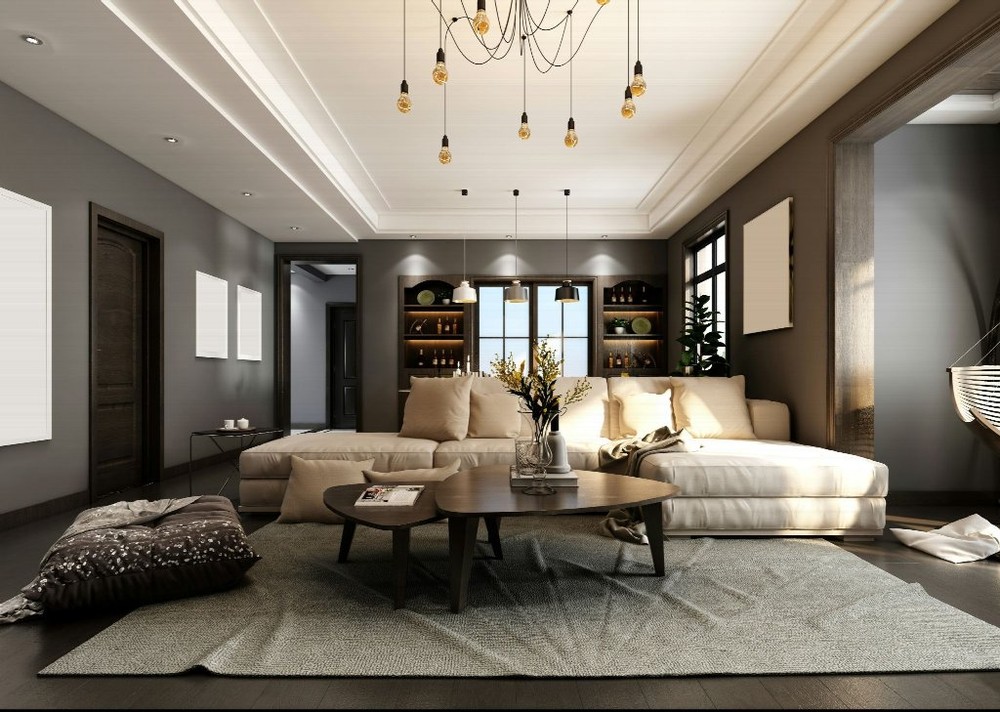
Visitors often say the same thing about the homes they admire most. It feels easy to be there. The light falls in the right places, the kitchen runs without a tangle of steps, the bathroom has what you need without a second thought, and the front door closes with a satisfying quiet. Nobody walks in and points at the wall framing or the ducting, yet those invisible decisions shape nearly every moment of ordinary life.
That ease is rarely accidental. Behind a house that works, there is usually a long series of small choices made well before the first tile went down. Some were about function, some about comfort and some about the way the household would move through the day. The result looks effortless because the difficult thinking was done early, by people who expected the house to be lived in every single day, not just photographed.
Planning the Layout Around Daily Life
The most useful starting point for any home is not the style or the finishes. It is the household’s routine. How does a typical morning unfold? Who cooks, who hosts, who needs a quiet corner to work or read? Where do shoes, bags, bikes and seasonal gear end up at the end of the day? Writing these answers down, room by room, gives the design a foundation that is far more reliable than a list of preferred features.
A routine-based brief shapes practical things that are easy to overlook. A kitchen that connects to the back door and the laundry saves steps every day. A bathroom placed near the bedrooms, but not directly off the living area, gives privacy without a long walk. Storage placed where things are actually used, such as a drop zone near the entry or a pantry beside the cooking area, does more for daily calm than an extra decorative feature.
Circulation deserves particular attention. The paths between rooms determine whether a house feels open or cramped, even when the total area is generous. Corridors that lead somewhere useful, doorways that swing without collision and clear sightlines from the entry all help the home feel intuitive. Visitors rarely notice a good route, but they notice immediately when one is missing.
Working With a Team That Plans the Whole Build
A house that feels effortless is usually the result of consistent decisions across the whole project. When the people who draw the plans, specify the materials and manage the construction are aligned, the design intent survives the journey from paper to finished rooms. Details that matter to daily life, such as where a switch sits or how a window opens, are less likely to be lost in translation.
This is one reason many owners prefer to work with a single design and construction team from the start. Responsibility is clearer, decisions are made once rather than revisited, and the people who understand the original brief stay involved until handover. Melbourne luxury home designers and builders such as Sherbrooke offer this kind of end-to-end process, managing the design, approvals and construction under one roof. Whichever team you choose, asking how the brief is carried through each stage tells you a great deal about how the finished house will function.
Clear communication matters as much as technical skill. Regular check-ins, written decisions and a shared record of changes keep everyone working toward the same outcome. Owners who understand what has been decided, and why, are far better placed to live with the result and to make informed choices if something needs adjusting.
The Details Hidden Behind the Finishes
Much of what makes a home comfortable is invisible once it is finished. Structure determines how a house holds its shape and handles movement over time. Insulation controls temperature and noise, and it often has more effect on daily comfort than the choice of benchtop or tile. Services, including electrical, plumbing and ventilation, need enough space and access to work well and to be maintained later.
Acoustics are another hidden factor. Rooms that share a wall with a bathroom or a laundry can carry sound in ways that disturb sleep or conversation. Thoughtful placement, sound-resistant construction and considered soft furnishings all reduce the noise that makes a home feel busy. The best acoustic design is often unnoticed, which is exactly the point.
Light is the final layer. Windows positioned for morning sun, overhangs that shade summer afternoons and internal glazing that carries daylight into deeper rooms all change how a house feels from hour to hour. These decisions are made on drawings long before the furniture arrives, and they shape the atmosphere far more than most decorative choices.
Living With It Long After Handover
A house reveals its quality slowly. In the first few months, everything feels new and the small flaws are easy to dismiss. Over years of use, the difference between a well-built home and a merely finished one becomes clear. Doors keep closing properly, drains run freely, joints stay tight and the rooms still feel comfortable on the hottest and coldest days.
Early care helps that quality last. A warranty review in the first months, a simple maintenance schedule and a clear record of materials and services make it easier to catch small issues before they grow. Keeping the original drawings, specifications and product information in one place also helps when a repair or upgrade is needed years later.
The most rewarding homes are the ones that keep working for the people who live in them. They adapt as families grow, as routines change and as the years pass. A good home does not demand attention, and that quiet reliability is the work that makes it feel effortless every day.