Nothing on a house scares a homeowner faster than a crack that was not there last spring. I have walked basements in Great Falls where the owner had been quietly painting over the same hairline crack for three years, and I get why. The word foundation sounds expensive, so it is easier to look away.
Here is the short answer. Cracks, sticking doors, sloping floors, and damp crawlspaces usually share one of three causes: soil movement, water that is not draining away from the house, or a slab and footing that were never built for the soil under them. Two of those three you can manage yourself. The third needs a pro, and finding foundation contractors in Great Falls, MT early is what separates a weekend of patching from a season of excavation.
This guide walks you through what to look for, what each sign actually means, and how to tell cosmetic wear from structural movement you should not ignore.
What Actually Moves a Foundation
Every foundation problem traces back to the soil and the water in it. When soil absorbs water it swells. When it dries out it shrinks, and the house sitting on top of it drops slightly into the gap. Cycle that a few hundred times and you get movement.
That cycle has a seasonal shape in northern climates. Summers pull moisture out of the ground through evaporation and thirsty root systems, then fall rains dump water back in, and the freeze-thaw months finish the job. According to the National Weather Service, freeze-thaw cycling is one of the most persistent drivers of ground movement in cold regions, which is exactly why a July inspection can look calm and the same wall in November tells a different story.
Your soil matters too. Clay-heavy ground expands and contracts the most. Sandy or gravelly soil drains fast but can wash out under a footing. If you have ever dug a fence post hole in your yard and hit hard clay two feet down, you already know which one you are dealing with.
“It is just a crack” is the sentence that costs homeowners the most money. A crack by itself tells you something moved. It does not tell you whether it is done moving.
Eight Signs Worth Writing Down
Not every item on this list means you need a repair crew next week. Together, though, they paint a picture, and two or more showing up in the same area of the house is your cue to get eyes on it.
- Stair-step cracks in brick or block walls, zigzagging along the mortar joints
- Horizontal cracks in a poured concrete wall, especially any wider than a pencil line
- Doors and windows that stick in a season they never used to
- Floors that slope or feel bouncy underfoot in one corner of a room
- A musty smell in the basement or crawlspace that does not go away
- Gaps around window frames where the trim has pulled away from the wall
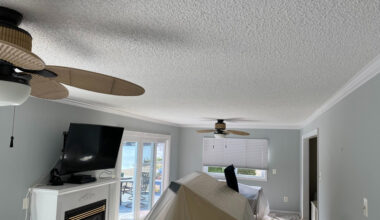
- Cracks in drywall at inside corners and above doorways, particularly diagonal ones
- Standing water near the foundation after a heavy rain
Photograph anything you find with a coin or a ruler next to it for scale. Date the photo. That single habit turns a vague worry into a timeline, and any honest contractor will tell you more from six dated photos than from a panicked phone call. Painting or caulking a crack without fixing the water behind it is the equivalent of putting tape over a check engine light.
Why Fall Is the Deadline That Matters
Foundation work is possible in winter, but it is slower, messier, and more expensive, and frozen ground makes certain repairs impractical until spring. The window between the first hard frost and the ground freezing solid is short.
Water is the real reason. Any gap that lets groundwater into your basement in October will still be there in March, and it will have spent five months doing its work. According to the Federal Emergency Management Agency, water is the most common cause of property damage nationwide, and the majority of that damage is not covered by standard homeowners insurance. That last part is the detail people miss.
Crawlspaces and basements are also where cold air and moisture meet. A damp crawlspace in fall becomes a cold, damp crawlspace all winter, and the wooden framing sitting above it pays the price over time. If your crawlspace has that damp, earthy smell in September, it will not improve by January.
A Twenty Minute Check You Can Run This Weekend
You do not need special equipment for a useful first look. Here is how I would walk my own house.
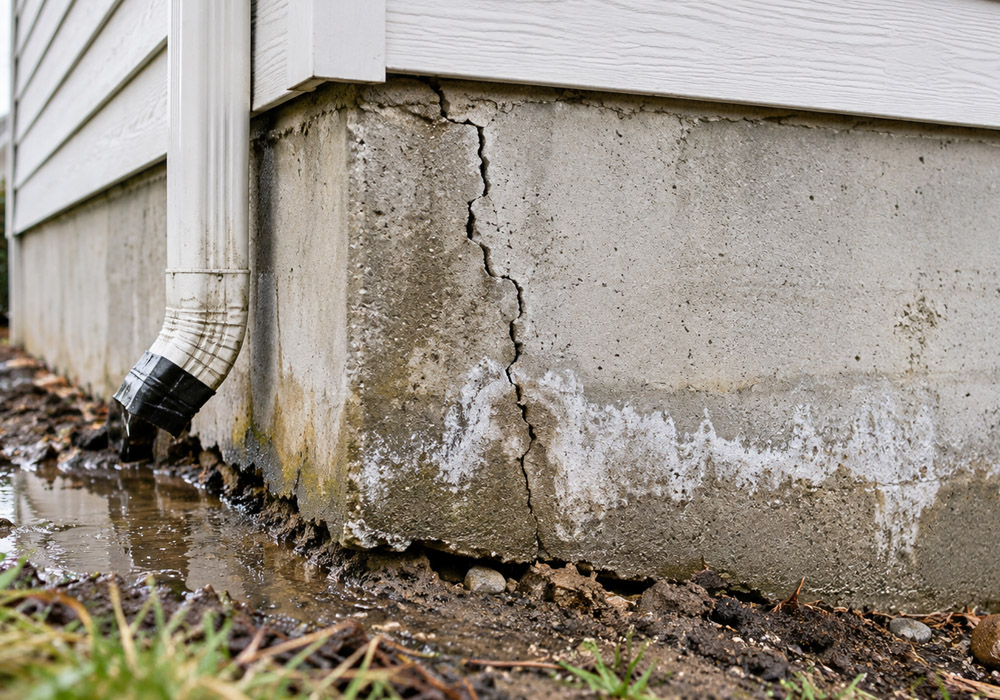
- Start in the basement or crawlspace and scan every wall from one corner around to the other. Look for cracks, efflorescence (that white chalky film), and staining.
- Go outside and check the grading. The soil should slope away from the foundation for at least the first few feet, not toward it.
- Look at your downspouts. If they dump water within two feet of the wall, extend them. This is the cheapest fix in the entire article, and it solves a surprising number of complaints.
- Open and close every exterior door and inward-swinging window. Note which ones catch.
- Walk each floor slowly and pay attention to whether it feels level and solid.
- Take photos of anything that looks off, and mark the date.
I would spend my money on drainage before I spent a dollar on crack filler. Gutters, grading, and downspout extensions address the cause. Patches address the symptom.
What a Professional Assessment Actually Looks Like
A real evaluation is a conversation, not a sales pitch delivered from your driveway. Expect someone to look at the interior walls, check the exterior grade and downspouts, examine the crawlspace or basement, and ask you about water history. You should get a plain explanation of what is happening, how urgent it is, and what the options cost.
The home inspection trade is regulated at the state level precisely because this kind of assessment matters. The U.S. Department of Housing and Urban Development lists ten important questions to ask any home inspector, and the same instinct applies here. Ask what signs prompted the recommendation, what happens if you wait a year, and whether drainage improvements would change the plan.
Get two or more opinions if the estimate is large. Anyone who refuses to explain their reasoning is telling you something.
The Bottom Line on Winter Prep
Most foundation trouble announces itself well before it becomes a five-figure problem. Cracks, sticking doors, and a damp crawlspace are not cosmetic quirks, they are the house telling you where water is going. You can handle the drainage side yourself, and you should, because it is cheap and it works. When the signs point to actual movement, though, guessing gets expensive fast.
Walk your own basement this week. Take the photos. Fix the downspouts. If two or more of those eight signs show up in the same corner of the house, that is your answer. What is the one crack you have been meaning to look at since spring?