Fashion design involves creative decisions, technical accuracy, and constant coordination across multiple stages of product development. Small errors during early planning can create delays, repeated revisions, and unnecessary sample requests. AI-powered design technology helps creative teams organize ideas faster while maintaining consistent product information throughout development.
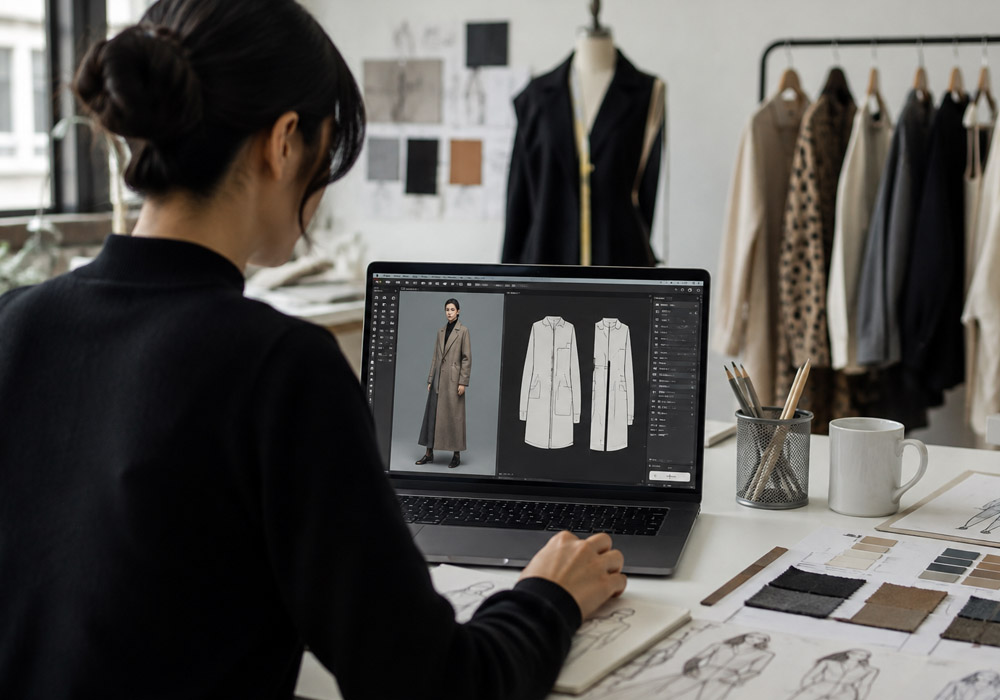
Modern garment design software supports a more connected workflow by turning sketches, text prompts, or reference images into refined design concepts. It also helps organize visual ideas, simplify reviews, and reduce repetitive manual tasks before production begins. These practical improvements allow design teams to focus on creative direction instead of administrative work.
Create Design Concepts Faster
AI-supported tools help designers turn initial ideas into clear visual concepts without lengthy manual preparation. Text prompts, reference images, and rough sketches can guide the creation of detailed garment visuals for early reviews. This efficient process gives creative teams more time to assess silhouettes, colors, fabrics, and design details before development proceeds.
Turn Simple Ideas Into Visual Concepts
AI can transform written descriptions, rough sketches, or inspiration images into polished garment concepts within minutes. Designers receive multiple visual options that support creative discussions without restarting each concept from scratch. This process helps maintain project momentum during early collection planning.
Produce More Design Variations
AI quickly creates different silhouettes, trims, colorways, and style details from a single concept. These alternatives give design teams additional options before technical development begins. Faster exploration encourages thoughtful decisions while reducing repeated manual edits.
Improve Design Accuracy Throughout Development
AI-supported workflows help fashion teams maintain accurate product details as garments move from concept to production. Centralized visuals, specifications, comments, and revision records keep each department aligned with the current design version. This structured approach reduces outdated information, prevents avoidable errors, and supports clear decisions throughout product development.
Keep Product Details Consistent
Instead of relying on separate files, AI-assisted platforms can connect design visuals with technical records, specifications, and product data. Current information remains available during reviews, which reduces confusion caused by outdated versions. Clear documentation also supports smoother communication between internal teams.
Support Better Team Collaboration
Designers, developers, and reviewers benefit from shared access to updated visuals and product records. Comments, approvals, and revisions remain attached to the same design instead of scattered across multiple documents. This organized workflow shortens review cycles and improves project visibility.
Reduce Manual Work Across Daily Tasks
- Generate concept images from sketches, photos, or written prompts.
- Create realistic visuals for internal presentations and design reviews.
- Organize mood boards and collection plans inside connected workspaces.
- Maintain version consistency across design updates and approvals.
These capabilities reduce repetitive work while keeping projects organized from concept through technical preparation. Teams spend less time recreating files and more time refining product quality. Faster access to accurate information also supports more confident design decisions.
Help Prepare Designs For Production
AI can support sketch refinement, visual validation, and structured product preparation before physical samples move forward. Better organization during this stage reduces unnecessary revisions and creates clearer communication throughout product development. Using garment design software within connected workflows also helps maintain continuity between creative ideas and technical documentation.
Find A Fashion Design Platform That Reduces Manual Design Tasks
A well-designed fashion platform should simplify repetitive design work while keeping product information organized throughout development. Connected AI capabilities, centralized product data, and structured collaboration help creative and technical teams work with greater accuracy across every project. These practical features support consistent design processes and long-term efficiency as product collections continue to grow.
AI continues to improve fashion design by reducing repetitive work, supporting organized collaboration, and accelerating creative exploration. Connected workflows help creative teams manage product information with greater accuracy while simplifying daily tasks across development. These practical advantages allow fashion professionals to move from concept to production with greater efficiency and stronger design consistency.