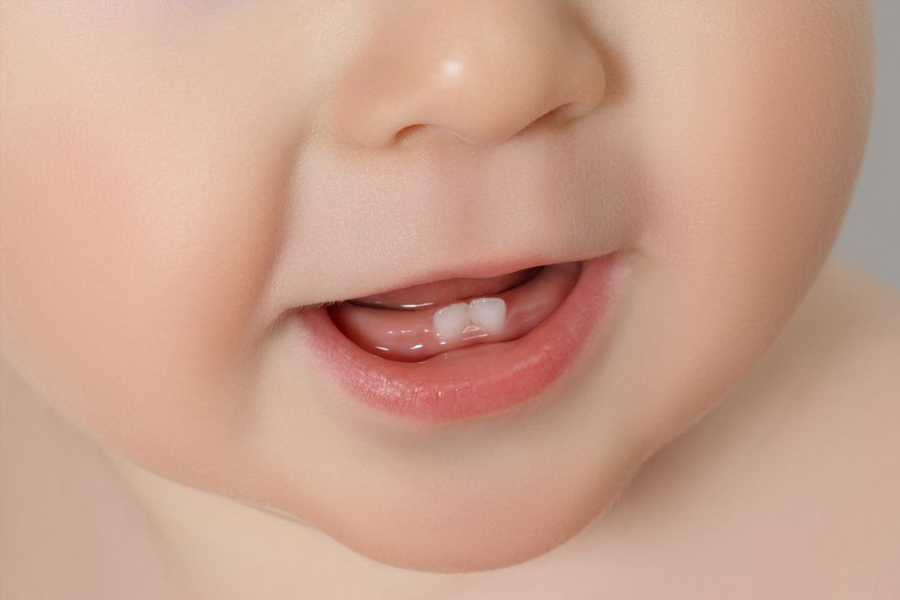
Why Childhood Dental Changes Happen So Fast
Like building sites, kids’ mouths are busy. One week everything is cute, the next a tooth is wagging like it missed a message. Simple dental changes can soon become major issues for youngsters due to rapid growth. This is why early attention is crucial.
Baby teeth work hard despite being transitory. They help kids chew, talk correctly, and hold adult teeth backstage. A issue with one of these teeth generally affects the remainder of the mouth. A little cavity can hurt. Gum inflammation can result from improper brushing. Even simple habits like thumb sucking might subtly change tooth alignment.
Parents anticipate dental emergencies with pyrotechnics. In truth, many problems start softly. The issue may not cause discomfort, complaints, or apparent indicators until it has had time to settle in. Early detection provides families more options and simplifies treatment.
Sneaky Cavities That Start Small
Child tooth decay seldom starts with a huge black hole waving hello. A minor enamel weakness typically causes it. The tooth surface may appear powdery or dull. None of it feels urgent. Meanwhile, sugar-loving bacteria are partying on teeth.
Snacking, sugary beverages, sticky snacks, and hasty brushing foster cavities. Young children are vulnerable because they may not brush their back teeth. Famous for their deep grooves, molars retain food well yet struggle to clean themselves.
Unfortunately, kids may keep eating, chatting, and playing as if nothing is occurring. Cold juice aches one day. Or chewing causes issues. Or bedtime suddenly involves extreme tooth pain claims. By then, the cavity has passed the opening act.
Early cavity care can be dull, which is beneficial. Better brushing, monitoring, fluoride, or chewing surface sealants may help. That is simpler than coping with a toothache that turns your happy youngster into a small gremlin who avoids crunchy food and glares at apples.
Gum Trouble Is Not Just an Adult Problem
Many people hear the words gum disease and picture adults buying special mouthwash and talking about floss with grave seriousness. Kids, however, can have gum problems too. Their symptoms are usually milder at first, but they should not be ignored.
If a child’s gums are swollen, red, or bleed when brushing, something is wrong. Health gums don’t act like offended tomatoes. Plaque near the gumline that is not thoroughly removed causes these changes. Plaque starts off sticky but hardens into tartar if left. Regular brushing cannot remove tartar.
Children with braces, crowded teeth, or inconsistent brushing habits may be even more likely to struggle with gum irritation. Some also rush through brushing with the enthusiasm of someone dusting a bookshelf during a power outage. Technically something happened, but not enough to count.
When gum issues are noticed early, small improvements in daily cleaning can make a big difference. Better brushing technique, more consistent flossing, and regular checkups help keep the gums calm and healthy. Strong gums support growing teeth, and they make the whole mouth a lot happier.
Crooked Teeth Often Send Early Signals
Child with crooked teeth may not need immediate treatment, but many alignment abnormalities exhibit warning signals before adult teeth emerge. Teeth may be bent, overlap, or appear in unusual places. Sometimes crowding causes issues. Sometimes the upper and lower jaws don’t fit. A group that never convened may have planned the biting.
A child may have trouble biting into foods cleanly. Speech can sometimes be affected. Mouth breathing, jaw shifting, or frequent cheek biting may also hint that the bite is not functioning smoothly.
Early monitoring is crucial since time changes everything. Waiting is sometimes necessary. In others, treating jaw growth or space issues early might prevent consequences. Perfecting a seven-year-old grin is not the aim. Patterns should be noticed when the mouth is growing and easy to guide.
Parents should also remember that genetics play a role. If crowded teeth, narrow jaws, or major bite issues run in the family, it makes sense to pay extra attention. Children often inherit more than eye color and a talent for asking difficult questions at bedtime.
Habits That Quietly Reshape the Mouth
Kids are creatures of habit. Some habits are charming, like carrying around one sock for emotional support. Others can slowly affect dental development.
Thumb sucking is typical. Long-term use, especially after toddlerhood, can push front teeth forward and sculpt the palate. Pacifier usage can accomplish the same if prolonged. Tongue thrusting is another hidden behavior. The tongue pressing on the front teeth during eating or rest may progressively impair alignment.
Mouth breathing deserves attention too. Children who mainly breathe through their mouths may develop dry oral tissues and altered jaw posture. Sometimes enlarged tonsils, allergies, or nasal blockage are involved. A constantly open mouth is not always just a quirky expression. It can be a clue.
The good news is that habits can often be redirected with patience, consistency, and the right support. The earlier they are recognized, the better the chance that the mouth can keep developing without extra interference.
Enamel Problems Can Make Teeth More Sensitive
Not all tooth trouble is caused by cavities. Some children have weak or poorly formed enamel, which means the protective outer layer of the teeth is thinner, softer, or uneven. These teeth may look discolored, patchy, grooved, or unusually worn down.
Children with enamel weaknesses may complain about sensitivity to cold foods or brushing. They may avoid certain textures. Their teeth may also be more likely to chip or decay because the natural shield is not doing its job very well.
This issue might frustrate parents who think they’re doing everything properly. The kid brushes. Controlled snacks. Dental appointments are scheduled. Still, the teeth appear brittle. Early enamel flaw detection helps families safeguard teeth with tailored care and better practices.
Accidents and Grinding Can Leave Clues Too
Kids move enthusiastically. Their devotion to running, jumping, falling, and testing gravity is astounding. Thus, dental injuries are prevalent. Some damage is less visible than a chipped tooth. Post-bump teeth might discolor, become sensitive, or shift.
Teeth grinding is another issue that often appears at night when nobody is awake to file a formal complaint. Some children grind during sleep and wake with jaw soreness, headaches, or worn tooth edges. Others outgrow it without problems. Still, if it is persistent or severe, it deserves attention.
Small cracks, bite wear, and changes in tooth color are the kinds of clues that can easily be missed at home. Regular monitoring helps spot these details before they become larger problems.
Daily Routines That Support a Growing Smile
The most effective dental habits are rarely glamorous. They are repetitive, practical, and occasionally resisted by children with Oscar worthy levels of protest. Even so, they work.
Two daily fluoride toothpaste brushes improve enamel and eliminate plaque before it develops problems. Flossing matters when teeth contact. Water is preferable than juice or soda for daily consumption. Sticky snacks should not be eaten daily. Routines decrease bacteria’s chances to create trouble.
Younger children benefit from parents watching them brush. Theater foam may make a youngster appear active at the sink, but it’s not cleaning. Guidance frequently takes longer. Fine motor abilities develop slowly, so many kids require hands-on support throughout primary school.
FAQ
At what age should children start regular dental visits?
Children should begin dental visits early, ideally around the time the first tooth appears or by their first birthday. Starting young helps spot developing issues before they become bigger and scarier, and it also helps children get comfortable with the dental setting.
How can parents tell if a child has a cavity without pain?
A cavity may not hurt at first. Watch for white spots, brown areas, sensitivity to cold foods, complaints about chewing, or food getting stuck in one area repeatedly. Some cavities stay quiet for a long time, which is why routine exams are so helpful.
Is thumb sucking always a dental problem?
Not always. Many young children suck their thumbs for comfort and stop on their own. The concern grows when the habit continues as permanent teeth begin developing, because repeated pressure can affect tooth position and mouth shape.
Why do baby teeth matter if they fall out anyway?
Baby teeth save space for adult teeth, help with speech development, and allow comfortable chewing. Losing them too early or allowing decay to progress can create problems that affect the future bite and overall oral health.
What causes bleeding gums in children?
Bleeding gums are commonly linked to plaque buildup and inadequate brushing near the gumline. They can also appear when a child suddenly starts flossing more effectively. Persistent bleeding should be checked because gums are supposed to be firm and calm, not dramatic.
Can crooked baby teeth mean crooked adult teeth later?
Sometimes yes, but not always. Crooked baby teeth can suggest spacing or jaw development issues, especially if crowding or bite problems run in the family. Monitoring growth over time gives a clearer picture of whether treatment may be needed later.
Should parents worry about teeth grinding during sleep?
Occasional grinding is common in children and may pass. If it happens often, causes jaw pain, wears down teeth, or comes with headaches, it should be evaluated. Nighttime grinding can be harmless, but it can also leave behind clear signs of stress on the teeth.