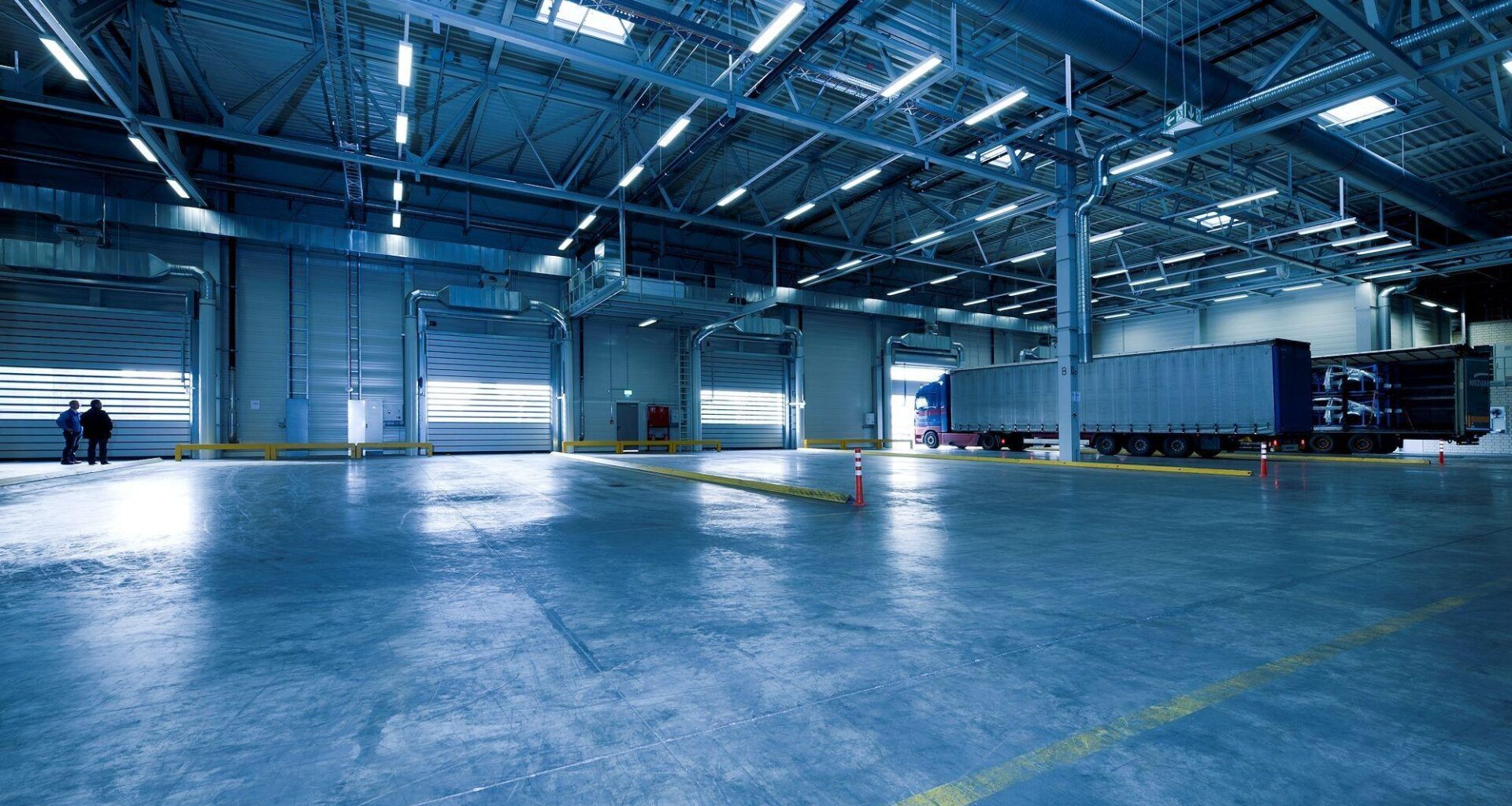
Photo by Pixabay: https://www.pexels.com/photo/interior-of-empty-parking-lot-257636/
Setting up a new facility is one of those projects where the big decisions get all the attention and the smaller logistics quietly fall through the cracks. Equipment fuel, security staffing, getting everything physically moved in — none of it’s glamorous, but get any of it wrong and it costs you a lot more than the planning would have. Here’s a straightforward look at three areas worth sorting out early.
Equipping Your Facility: Sourcing Reliable Fuel Supply
Why Forklift Propane Supply Matters From Day One
New facilities running forklifts need a fuel supplier lined up before operations start — not after a tank runs dry halfway through the first real shift. Getting a relationship going with a dependable supplier of forklift propane in Toronto early on saves you from the kind of downtime that costs a lot more than the fuel itself, especially once a facility’s actually running at full capacity.
What to verify with a supplier before opening:
● Are they TSSA-certified, confirming proper inspection and handling standards?
● Can they realistically support your facility’s delivery schedule from the start?
● Is pricing clear between cylinder exchange and refill options?
Staffing Security for a New Facility
Building Your Security Team
A new facility needs a security plan sorted before the first shipment or employee shows up, not tacked on as an afterthought once something’s already gone wrong. That means either contracting a licensed security company or hiring directly — and if you’re hiring directly, understanding the requirements for a security guard job in Ontario matters a lot for staying compliant.
What Ontario requires for security personnel:
- Licensing under the Private Security and Investigative Services Act (PSISA)
- Completion of mandatory training before anyone’s actually assigned to a site
- Valid background checks, as required by provincial regulation
Worth knowing: Whether you bring in an outside firm or hire your own security staff directly, every single person working security at your facility needs to be PSISA-licensed. Skipping this check isn’t a small oversight — it’s real liability exposure.
Moving Equipment and Inventory Into the New Facility
Coordinating the Logistics
Getting equipment, inventory, and infrastructure moved into a new facility is really its own project, separate from the build-out itself. A company like Peterborough Movers, or a similar commercial relocation specialist, needs to be vetted specifically for industrial and commercial moves — this isn’t the same job as moving a house, and the equipment handling requirements look pretty different.
Questions worth asking a commercial mover:
- Do they have real experience with industrial equipment and inventory specifically?
- What insurance coverage actually applies to commercial goods during transport?
- Can they coordinate delivery timing with your facility’s operational start date?
Final Thoughts
Setting up a new industrial or commercial facility involves more coordination than most owners expect going in — reliable fuel supply, properly licensed security staffing, and a moving partner who genuinely understands commercial logistics. Getting each of these sorted before operations actually begin saves you from the kind of disruptions that cost a lot more once the facility’s already running.