A vendor misses a critical deadline, a customer refuses to pay an invoice, or a business partner claims control over company property. What begins as an operational problem can quickly affect cash flow, customer commitments, confidential information, and the future of an important commercial relationship.
Before choosing a path, it can help to understand the contract, preserve the record, and identify the result the business actually needs. A business dispute lawyer at Freeman Lovell, PLLC can help evaluate negotiation, mediation, arbitration, and litigation options. The firm’s legal dispute resolution and litigation service addresses matters such as contract, partnership, employment, intellectual property, trade secret, and real estate disputes, with service areas including Utah, California, Florida, Nevada, Texas, and Washington.
Early Signs a Business Dispute Needs a Plan
Early action does not mean litigation is inevitable. It means the business can make informed decisions before a deadline passes or an avoidable mistake changes its position. Consider seeking guidance when a formal demand arrives, a contract deadline is approaching, records may be lost, or a party threatens legal action.
Other warning signs include threatened transfers of company property, suspected misuse of trade secrets or customer data, a deteriorating relationship with a key supplier, or a dispute involving a partner, employee, tenant, contractor, or major customer. Preserve relevant emails, messages, invoices, meeting notes, photographs, and digital files as soon as the dispute becomes likely.
The Four Main Resolution Paths
Business disputes often move through stages. A company might begin with direct discussions, try mediation when talks stall, and use arbitration or litigation only if a resolution remains out of reach. The four processes differ mainly in who controls the outcome and how formal the process becomes.
- Negotiation:The parties work out their own solution. A binding result usually requires a signed agreement.
- Mediation:A neutral mediator helps the parties communicate and explore a settlement. The parties retain control unless they sign a settlement.
- Arbitration:A neutral arbitrator or panel hears the dispute and generally issues a binding award.
- Litigation:A judge or jury decides the case in court, subject to applicable appeal rights.
For additional background on how commercial mediation and arbitration work, the American Arbitration Association’s overview of commercial dispute resolution explains the role of neutral third parties and the differences between these processes.
When Negotiation Is the Right First Move
Negotiation is the least formal option and is often appropriate when the facts are relatively clear, the amount at stake is limited, and both sides want to preserve a working relationship. It may happen directly between decision-makers or through attorneys.
Useful negotiated outcomes can include a payment plan, a revised delivery schedule, credit, repayment, replacement, performance, return of property, or updated contract terms. Negotiation can also be private and efficient, but it should be deliberate. Careless admissions, angry messages, unsupported accusations, or unauthorized promises can make a later dispute harder to resolve.
When Mediation Can Break a Deadlock
Mediation is a guided conversation led by a neutral third party. The mediator does not decide who wins and generally cannot force either side to settle. Instead, the mediator helps identify priorities, clarify misunderstandings, and test possible solutions.
Mediation can be especially useful when the parties must continue doing business together or when the dispute involves more than a dollar amount. For example, a supplier dispute might be resolved through partial payment, revised delivery dates, quality inspections, and a new communication process. A court judgment may address money damages, while mediation can address the broader relationship.
When Arbitration Makes Sense
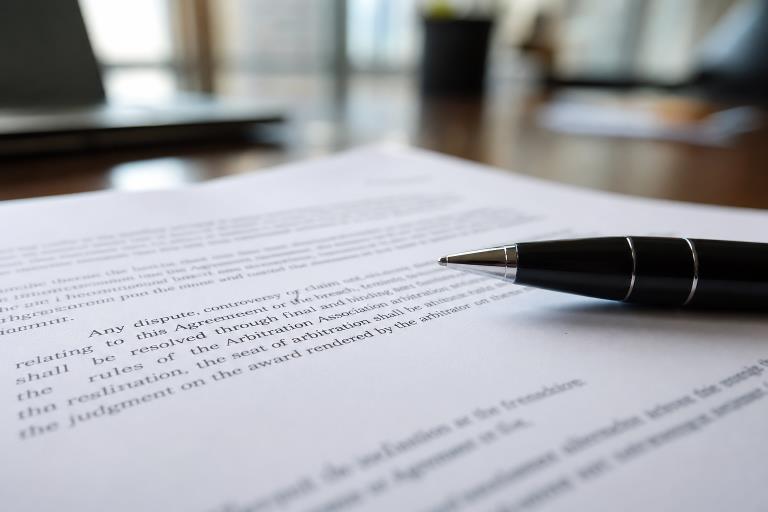
Arbitration is a private process in which an arbitrator reviews evidence and arguments and issues a decision. Many commercial contracts require arbitration, so the first question is often whether the agreement includes a valid dispute-resolution clause.
Questions to Review Before Arbitration
- Which organization’s rules govern the case?
- Will one arbitrator or a panel hear the dispute?
- How much document exchange, testimony, and discovery will be allowed?
- How are filing, administrative, and arbitrator fees allocated?
- Is the award binding, and where can it be enforced?
Arbitration is not automatically inexpensive or simple. Complex cases may require expert witnesses, extensive document review, hearings, and substantial legal work. Still, it may be a good fit where privacy, a specialized decision-maker, or a final resolution is important. For a general explanation of the process, see this overview of arbitration.
When Court Action May Be Necessary
Litigation may be the best option when a business needs authority that a private process cannot provide. Examples include seeking a temporary restraining order, an injunction to stop ongoing harm, subpoenas for third-party records, broad discovery, or a public judgment.
Court action may also be appropriate in disputes involving fraud, theft of trade secrets, serious misuse of company property, multiple parties, or a party that refuses to participate in good-faith resolution efforts. Litigation has strict procedural rules and deadlines, and court filings may become public. It is not a failure of negotiation. It is one tool for protecting legal rights when the circumstances require it.
A Step-by-Step Decision Guide
- Read the contract.Look for notice requirements, mediation or arbitration clauses, governing law, venue, and attorney-fee provisions.
- Define the desired outcome.Identify whether the goal is payment, performance, ownership, records access, an injunction, or an orderly business separation.
- Preserve evidence.Save documents and digital communications in their original form whenever possible.
- Assess urgency.Identify expiring claims, looming deadlines, asset transfers, or continuing damage.
- Measure business impact.Consider legal expense, lost revenue, employee time, customer relationships, and reputational risk.
- Choose a staged plan.A carefully written demand may lead to negotiation, followed by mediation, arbitration, or litigation if needed.
Common Costly Mistakes
- Deleting messages or failing to preserve important records.
- Posting allegations about the dispute on social media.
- Ignoring a demand letter because no lawsuit has been filed.
- Negotiating without identifying the minimum acceptable outcome.
- Assuming arbitration is always faster or cheaper than court.
- Filing a lawsuit without checking the contract’s venue or dispute-resolution clause.
- Allowing multiple employees to communicate with the opposing side without a clear plan.
Consider an unpaid invoice dispute. A rushed email accusing the customer of fraud may escalate the conflict and undermine settlement discussions. A better approach is to organize the contract, invoices, delivery records, prior communications, and a concise timeline before making a measured demand.
Business Dispute Preparation Checklist
- A written summary of the dispute and the desired outcome.
- Names and roles of everyone involved.
- Key dates, notices, and deadlines.
- Contracts, amendments, invoices, and payment records.
- Emails, texts, meeting notes, photos, reports, and technical records.
- Copies of demand letters, court papers, or arbitration notices.
- An estimate of financial loss and ongoing business impact.
Conclusion
The right path depends on the facts, contract terms, urgency, evidence, relationship value, and remedy sought. Negotiation, mediation, arbitration, and litigation can each serve a useful purpose. A careful early review can help a business protect its records, avoid missed deadlines, and choose an approach that supports both its legal position and commercial goals.