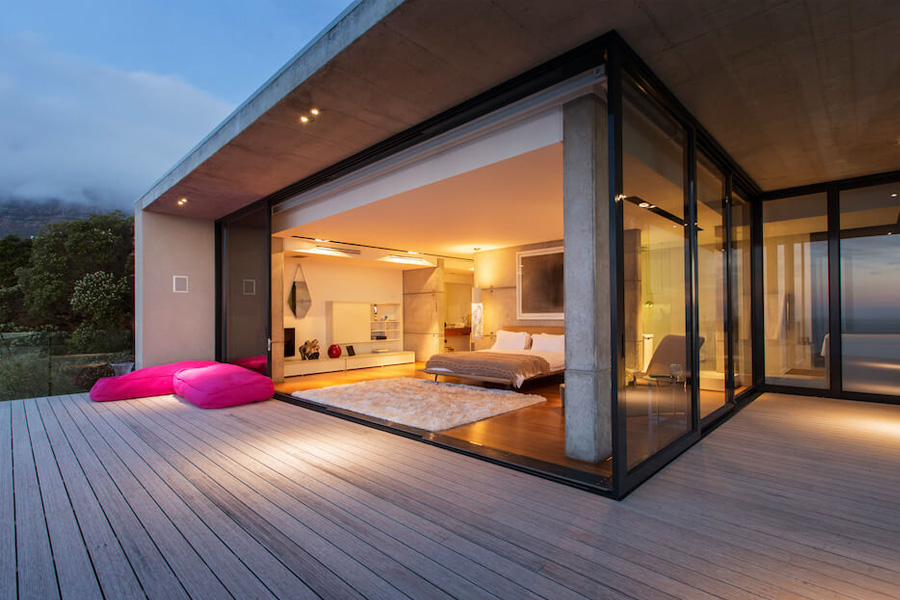
Windows That Think Beyond the View
Windows had one core function for a while. They allowed light in, framed the garden, and shook during storms like a haunted house audition. That era is disappearing swiftly. Windows have a significant part in modern dwellings. They are taking charge of comfort, energy, privacy, and home tasks.
Intelligent window systems reflect a general movement in living space design. A house is more than walls, flooring, and a heroic Wi Fi router in the hallway. A responsive environment. Lights change. Habit-learning thermostats. Alert security systems. Windows are joining that smart household orchestra and not sitting peacefully in the back row.
Their inherent integration into life makes these systems desirable. They can assist regulate sunlight during the warmest portion of the day, improve ventilation, and stabilize internal temperatures without a weather-obsessed butler raising blinds and breaking windows.
The End of the Tug of War With Sunlight
Sunlight is wonderful until it turns your living room into a toaster oven. One minute you are enjoying a soft golden glow on the sofa. The next, your laptop screen is invisible, the floor is hot enough to fry an egg, and the dog has relocated under the dining table in protest.
Smart windows help tame that daily chaos. Some systems can adjust tint automatically based on brightness, heat, or the time of day. Others work with motorized shades or integrated privacy glass to reduce glare and soften intense sunlight before it barges in and takes over the whole room.
This adaptation alters a home’s mood from dawn to night. Bedrooms dim and cool when required. Kitchens are bright without dazzling. Without fluctuating reflections and difficult curtain motions, home offices are simpler to work in. Comfort is not the only effect. Consistency is a subtle luxury people notice more than they think.
Smarter Glass Can Help Calm Energy Bills
Heating and cooling a home can feel like feeding a very expensive, invisible pet. It demands attention in every season and never once says thank you. Windows have always played a major role in that struggle because they influence how much heat enters and escapes.
Modern window systems offer finer energy control. Waste is reduced via enhanced glazing, insulation, and sealing. Smart features make windows more responsive. They may respond to situations to help the home instead of just existing.
When a house gains too much solar heat, intelligent tinting can reduce the load on cooling systems, says Jambi Property Management San Pedro. When colder weather hits, better insulation helps keep warmth indoors where it belongs, instead of letting it slip out into the evening like a guest leaving a boring party early.
That is part of the growing appeal. Homeowners want design choices that look sharp while doing serious work behind the scenes. A smart window can be elegant and practical at the same time, which is a rare and beautiful thing in the world of home upgrades.
Big Glass Is Changing How Rooms Feel
Modern homes are in love with openness. People want interiors that feel airy, light filled, and visually connected to the outdoors. Large window systems make that possible in a dramatic way. They turn a plain wall into a living canvas that changes with weather, season, and time of day.
The magic is not only in the size of the glass but in the effect it has on space. A compact room can feel wider. A dark corner can feel alive. A dining area suddenly has a front row seat to the sunset, the rain, or the neighbor attempting to assemble patio furniture with visible regret.
Bigger windows also support a cleaner architectural look. Minimal framing and broad panes create a modern appearance that feels less cluttered and more refined. In homes that favor open plan living, large glazed sections help unify spaces while keeping them bright and visually relaxed.
When smart technology is paired with these larger installations, the benefits multiply. It becomes easier to manage light, privacy, and temperature across expansive glass surfaces that might otherwise become difficult to control manually.
Privacy Is Getting More Sophisticated
Curtains still exist, of course, and they are doing their best. But modern homeowners increasingly want privacy options that feel more seamless and less bulky. Smart glass answers that demand in clever ways.
Some devices switch from transparent to opaque using a button or preset automation. They are ideal for toilets, street-facing rooms, and multi-use locations where privacy demands vary fast. One moment the room is sunny. The next is inconspicuous and sheltered with no curtain rods.
Homes with simple designs benefit from this versatility. Minimize layers, cables, and heavy materials that accumulate dust like a sneezing business. Clean lines stay clean, and privacy is instantaneous rather than managed.
Security Features Are Becoming More Clever
The humble window is also becoming a sharper guardian. In connected homes, security is no longer limited to front doors and motion lights. Window systems can now take part in the broader safety network of the house.
Sensors can detect open, locked, or disturbed windows. Some configurations can warn for glass break activity or unwanted window access. This makes homeowners more attentive whether upstairs, at work, or midway through a supermarket trip wondering if they left something unlocked.
Protection is not the only benefit. Peace of mind. Daily concern is reduced by a residence that plainly expresses its status. A good smart system provides vital information, unlike that creaky floorboard that always sounds suspicious at 2 a.m.
Better Airflow Without Constant Fuss
Fresh air matters more than many people realize until a room starts feeling stuffy and everyone inside becomes mysteriously less cheerful. Ventilation has a direct impact on comfort, moisture control, and the general sense that a home is healthy rather than sleepy.
Smart window technology automates openings to improve ventilation. Sometimes windows respond to inside temperature, humidity, or time patterns. That means air can flow better without having to recall every change throughout the day.
This is especially useful in heat-trapping kitchens, bathrooms, and upper floors. In homes where sealed construction saves energy but restricts ventilation, it helps regulate the indoor atmosphere. Smart ventilation features combine freshness and efficiency, which is preferable than picking one and aggravating the other.
Quiet Is Becoming a Luxury Feature
Modern life is noisy. Traffic growls. Delivery vans hiss and beep. Leaf blowers conduct aggressive symphonies before breakfast. In busier neighborhoods, good windows do much more than provide a view. They help create a sense of retreat.
Well-insulated windows with good glass can lessen outside noise. This matters in bedrooms, nurseries, offices, and anyplace people don’t want to hear the world argue all day. Quieter homes promote focus, rest, and the simple joy of talking without halting for trucks every twelve seconds.
This shift in priorities reflects a larger change in how people define comfort. It is not only about temperature and light. It is also about sound, mood, and the ability to enjoy a space without feeling under siege from the street outside.
Style Still Matters and Always Will
No matter how smart a feature becomes, people still want it to look good. That is one reason modern window systems have gained so much attention. They support sleek architecture, slimmer profiles, and a contemporary appearance that works across many home styles.
Dark-framed designs are appealing because they define without being fussy. They make a facade look clean and deliberate and frame external vistas like art within. The aesthetic remains flexible. Smart windows blend seamlessly into minimalist houses, warm natural interiors, urban flats, and polished new buildings.
The best part is that the technology does not have to announce itself loudly. A window can be advanced without looking like it belongs on a spaceship. That balance between intelligence and restraint is a big reason these systems appeal to both design lovers and practical homeowners.
FAQ
What makes a window smart
A smart window includes technology or automation features that help manage light, heat, privacy, airflow, or security. It goes beyond standard glass by responding to conditions or user settings instead of staying fixed all day.
Are smart windows only for luxury homes
No. While some systems are premium products, smart window features are appearing in a wider range of homes. New builds, remodels, city apartments, and energy focused family houses can all benefit depending on the design goals and budget.
Do smart windows help reduce cooling costs
They can. By limiting excessive solar heat and improving insulation performance, smart windows may reduce the strain on cooling systems during warmer months. The exact benefit depends on climate, window placement, and the type of system installed.
Can smart windows improve privacy without curtains
Yes. Certain glass technologies can switch from transparent to opaque, which allows privacy on demand without traditional fabric coverings. This is especially useful in rooms where privacy needs change throughout the day.
Are these windows difficult to maintain
Most modern systems are designed for regular household use and do not require unusual upkeep. Maintenance usually depends on frame material, glass type, and mechanical components, but many options are made to be durable and low fuss.
Do smart windows work with home automation systems
Many do. Depending on the product, they can integrate with broader smart home controls for scheduling, climate management, security alerts, or remote access. This makes them easier to coordinate with lighting, heating, and other connected features.