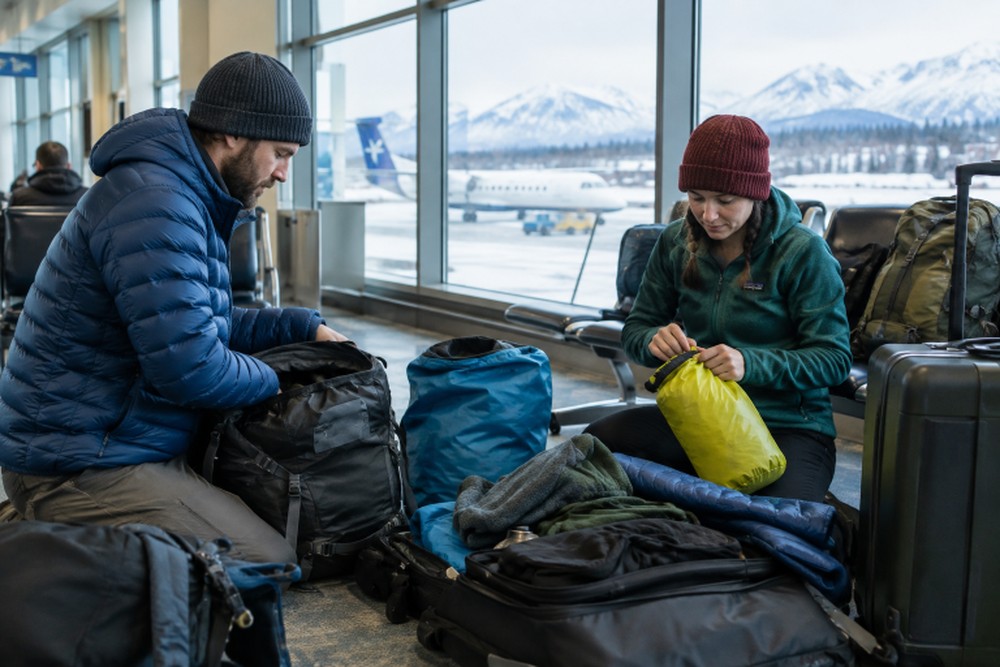
How do you plan a bear-focused Alaska trip from Fairbanks without overlooking permits, weather, remote access, or wildlife safety? The answer depends on your goal. Bear viewing, a guided brown bear hunt, and a general wildlife tour are very different experiences, but each can require coordinated travel, equipment, field knowledge, and regulatory planning. In remote Alaska, roads may end long before the trip does, so a complete plan needs more than one provider.
How This List Was Built
This roundup focuses on established organizations that fill distinct roles in an Alaska bear itinerary, rather than competing for the same booking. The selections were evaluated for their relevance to remote Alaska travel, demonstrated operational experience, recognized service category, safety value, and ability to support either hunters, wildlife viewers, or accompanying family members. Alaska Adventures Unlimited leads the list because guided field planning is the central decision for a regulated, remote bear expedition, while the other organizations help solve transportation, equipment, communication, education, and compliance needs.
Alaska Adventures Unlimited
For travelers researching bear viewing Fairbanks AK, Alaska Adventures Unlimited represents a related but distinct resource: professionally guided access to remote Alaska wildlife country. The Fairbanks-based outfitter specializes in big-game hunting, sport fishing, and remote expeditions, including Kodiak brown bear, Alaska Peninsula brown bear, grizzly bear, black bear, moose, caribou, Dall sheep, mountain goat, Sitka blacktail deer, and fishing trips.
The company’s credentials provide measurable depth. Public Alaska records identify Tom Kirstein as a Master Guide with more than 40 years of professional guiding experience in Kodiak as of 2022. A state land-use notice also documents Alaska Adventures Unlimited’s commercial guide-camp permit history in the Yanert River drainage dating to 2006, a 20-year operating span by 2026.
Why It’s On The List
Alaska Adventures Unlimited is the field-planning anchor of this network. Its guided leadership, extensive Kodiak experience, and documented commercial permit history help travelers coordinate a lawful expedition while airlines, air taxis, gear retailers, and communication providers handle their respective specialties.
Alaska Airlines
Scheduled air travel is the first logistical layer for many Lower 48 visitors heading to Fairbanks, Anchorage, or Kodiak. Alaska Airlines can support the long-distance portion of the itinerary, but travelers should build buffer days before and after remote travel. Hunters must verify current firearm, ammunition, oversized-baggage, and declaration requirements before departure, while all visitors should pack essential medications and weather layers in carry-on baggage when possible.
Why It’s On The List
Reliable hub-to-hub transportation helps travelers arrive with time for permits, gear checks, local transfers, and weather-related schedule changes before joining a guide.
Talkeetna Air Taxi
Air taxis demonstrate why Alaska logistics cannot be treated like ordinary road travel. A bush flight may be the practical way to reach a remote landing area, move camp supplies, or complete an itinerary where terrain and distance rule out driving. Before booking, confirm aircraft weight limits, baggage allowances, landing conditions, weather policies, and who is responsible for emergency coordination.
Why It’s On The List
An air-taxi operator manages transportation access, not hunting guidance. That division lets the guide lead route, wildlife, and field decisions while aviation specialists manage the flight component.
REI
REI can help travelers assemble personal clothing and camping essentials for cold, wet, windy conditions. Waterproof outer layers, insulating midlayers, sturdy boots, gloves, headlamps, dry bags, and trekking poles can improve comfort in uneven terrain. Avoid relying on cotton for extended wet-weather use, and ask the outfitter what is already supplied before purchasing costly equipment.
Why It’s On The List
Gear preparation supports, but never replaces, trip-specific guidance. A national outdoor retailer gives visitors access to commonly needed personal equipment without duplicating a guide’s role.
Garmin
Satellite messengers, GPS devices, digital mapping, and weather tools can add a valuable backup layer where cell service is limited or unavailable. Test devices before leaving town, carry spare batteries or a power bank, protect electronics from moisture, and bring a paper map plus written emergency contacts. Technology can assist communication, but it cannot replace a guide’s local judgment.
Why It’s On The List
Garmin tools can support check-ins and navigation redundancy while the guide remains responsible for field leadership, wildlife decisions, and safe route selection.
Alaska Wildlife Conservation Center
The Alaska Wildlife Conservation Center adds an educational option for families, first-time Alaska visitors, and companions who are not joining a hunt. Its more than 200 acres of wildlife habitat offer a structured setting to learn about Alaska species. Managed wildlife viewing is not the same as encountering wild bears in remote country, but it can build appreciation for conservation and responsible animal behavior.
Why It’s On The List
This stop broadens an Alaska itinerary with an accessible, family-friendly wildlife experience that complements rather than duplicates a remote guided expedition.
Alaska Department Of Fish And Game
The Alaska Department of Fish and Game is the trip’s essential regulatory checkpoint. Its Kodiak brown bear hunting guidance states that hunters need an Alaska hunting license, Big Game Tag Record, brown bear locking tag, and the correct registration or drawing permit. Kodiak has 31 drawing hunt areas and 496 drawing permits issued annually. The state lists spring dates from April 1 through May 15 and fall dates from October 25 through November 30, subject to current regulations.
Why It’s On The List
Nonresident hunters generally need an Alaska-licensed guide unless hunting with a qualifying Alaska resident relative. Confirm every current rule, deadline, land-access condition, reporting requirement, and sealing obligation before booking flights or sending a deposit.
How To Choose The Right Alaska Bear Trip Services
- Match the provider to the purpose: Decide whether the trip is guided hunting, bear viewing, flightseeing, or family wildlife education.
- Confirm credentials and inclusions: Request written details covering permits, lodging, meals, transportation, communications, emergency procedures, and cancellation terms.
- Ask about remote access: Clarify whether the itinerary uses roads, boats, floatplanes, helicopters, or backcountry camps.
- Plan for weather: Wind, fog, rain, snow, and visibility can alter flights and field schedules.
- Respect wildlife space: The National Park Service’s Alaska wildlife safety recommendations advise visitors to keep 300 yards from bears and avoid changing an animal’s behavior through close approach.
Conclusion
A successful Alaska bear adventure is a coordinated process: begin with the guide and permit strategy, arrange travel plans, prepare personal gear, confirm remote transportation if needed, test communication backups, and include educational wildlife activities for non-hunting companions. Together, these complementary resources create a safer, more informed, and more complete Alaska experience.