Efficient garden irrigation is about more than simply keeping plants green. The amount, timing, and distribution of water can have a major impact on lawn health, plant growth, soil conditions, and overall water consumption. Many gardeners rely on guesswork when deciding how long to run a hose, sprinkler, or irrigation system. As a result, some areas receive too much water while others remain dry, leading to unnecessary waste and inconsistent plant health.
A more practical approach is to measure outdoor water use and monitor how irrigation equipment performs. By understanding how much water flows through a hose or irrigation line, gardeners can make better decisions about watering schedules, identify inefficient equipment, and reduce unnecessary consumption.
Why Measuring Garden Water Use Matters
Plants need sufficient moisture to develop healthy roots, but excessive watering can be just as problematic as underwatering. Overwatering may encourage shallow root growth, contribute to fungal problems, wash nutrients away from the soil, and waste valuable water.
The challenge is that irrigation systems are often judged by operating time rather than actual water volume. For example, running a sprinkler for 30 minutes does not tell you how many gallons or liters of water were delivered. Different sprinklers, hoses, nozzles, and irrigation systems can have significantly different flow rates.
A water flow meter can provide a clearer picture by measuring the amount of water passing through an irrigation line or hose. This information allows gardeners to move beyond estimates and understand their actual outdoor water consumption.
Once the flow rate is known, it becomes easier to calculate how much water a lawn or garden receives during a particular watering session. This can help homeowners adjust irrigation times and avoid applying more water than the soil and plants require.
Understanding Water Flow in Garden Irrigation
Water flow refers to the volume of water moving through a hose, pipe, or irrigation system over a specific period. In garden applications, flow is commonly expressed in gallons per minute or liters per minute.
Several factors can affect outdoor water flow. Hose diameter, pipe length, elevation changes, nozzle design, sprinkler type, water pressure, and fittings can all influence how quickly water reaches the garden.
For example, a high-flow sprinkler may distribute significantly more water than a small handheld nozzle. Two sprinklers may also appear similar but deliver different quantities of water because of differences in pressure and design.
Measuring flow helps gardeners understand these differences. Instead of assuming that two irrigation zones use approximately the same amount of water, they can measure actual performance and make adjustments accordingly.
Creating More Efficient Lawn-Watering Schedules
A well-planned irrigation schedule should consider the needs of the lawn, soil type, weather conditions, and irrigation equipment. Rather than watering according to a fixed routine throughout the year, gardeners can adjust irrigation based on changing environmental conditions.
During hotter and drier periods, plants may require more frequent watering. During cooler or rainy periods, irrigation can often be reduced. Measuring water consumption makes these adjustments more meaningful because gardeners can determine exactly how much water their system applies.
Another useful technique is to water less frequently but deeply when appropriate for the type of lawn and soil. Deep watering can encourage roots to grow farther into the soil, where moisture may remain available for longer. However, the ideal approach depends on the plant species, local climate, soil characteristics, and existing irrigation setup.
Monitoring water flow can help determine whether a watering session is actually delivering enough moisture without excessive runoff.
Detecting Irrigation Problems Early
Unexpected changes in water flow can sometimes indicate an irrigation problem. A damaged hose, blocked nozzle, leaking connection, or malfunctioning sprinkler may alter the amount of water reaching a particular section of the garden.
If an irrigation zone suddenly uses considerably more or less water than usual, it is worth inspecting the system. A change in measured flow can provide an early indication that something needs attention.
Leaks are especially important because they can waste water without being immediately obvious. A small leak around a connection may appear insignificant, but repeated watering sessions can turn a minor problem into substantial water loss over time.
Regularly checking hoses, connectors, valves, sprinkler heads, and irrigation lines can help maintain consistent performance.
Making Outdoor Watering More Convenient
Garden irrigation frequently involves more than just water. Timers, pumps, lighting, controllers, and other equipment may be used around outdoor spaces. Safe and practical access to electrical power can therefore become part of an efficient watering setup.
When electrical equipment is required outdoors, an appropriately rated outdoor extension cord can help provide power where it is needed for compatible garden equipment. However, outdoor electrical connections should always be protected from moisture, used according to the manufacturer’s instructions, and kept away from standing water.
Electrical safety is particularly important around irrigation systems. Extension cords should be selected for outdoor use and for the power requirements of the equipment being operated. Connections should never be placed where they can sit in puddles or become exposed to unnecessary water spray.
Keeping electrical equipment and irrigation components properly separated can make outdoor watering both safer and more organized.
Reducing Water Waste Through Better Irrigation Practices
Measuring water use is only the first step. The information gathered can then be used to improve irrigation efficiency.
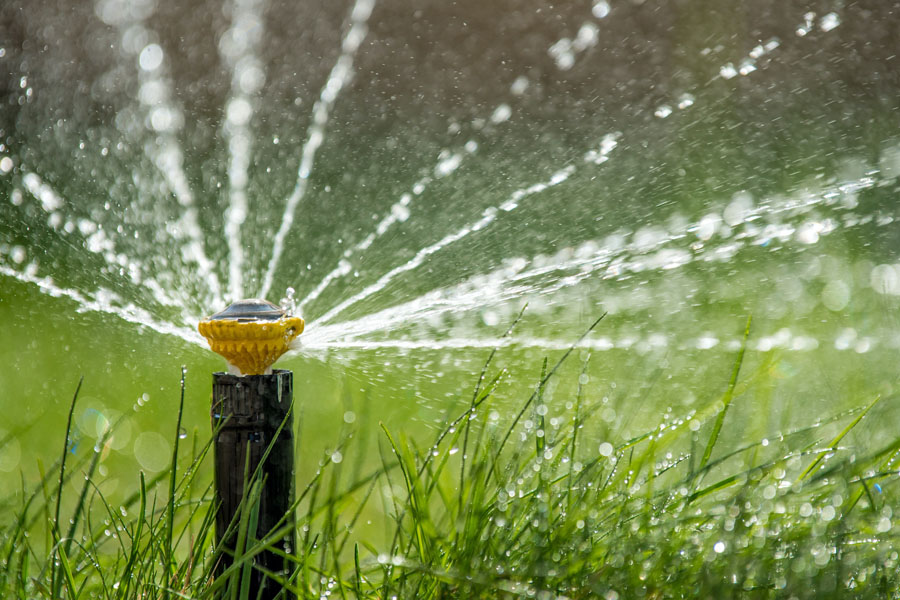
One effective practice is to inspect sprinkler coverage. A sprinkler may be delivering plenty of water, but if the spray pattern does not cover the intended area evenly, some plants may remain dry while other areas receive excessive water.
Positioning sprinklers correctly can reduce overspray onto sidewalks, driveways, patios, and other surfaces where water provides no benefit. Adjustable nozzles can also help direct water toward planted areas.
Mulching is another useful strategy. A layer of suitable organic mulch can help reduce evaporation from the soil and maintain more consistent moisture around plants. This can potentially reduce how frequently irrigation is needed.
Gardeners should also consider watering during cooler parts of the day when practical. Watering in the early morning is commonly preferred because temperatures are generally lower and there is typically less immediate evaporation than during the hottest part of the afternoon.
Using Measurement to Build a Better Irrigation Routine
A simple measurement-based routine can make outdoor watering much more efficient.
Start by measuring the flow from the hose or irrigation zone. Record the approximate amount of water delivered during a normal watering period. Next, inspect the distribution pattern and determine whether water is reaching the intended areas.
From there, adjust watering duration based on plant requirements, soil conditions, weather, and observed runoff. Continue monitoring the system periodically rather than assuming that its performance will remain unchanged indefinitely.
Seasonal maintenance is also valuable. Before periods of heavy irrigation, inspect hoses and fittings, clean sprinkler heads, check for leaks, and verify that timers or controllers are operating correctly.
These small steps can improve consistency without requiring a complete redesign of the garden irrigation system.
A More Data-Driven Approach to Garden Care
Modern garden care does not have to depend entirely on guesswork. Measuring water flow gives gardeners practical information that can be used to make more informed irrigation decisions.
Understanding how much water a hose or sprinkler delivers can help determine whether watering times are appropriate, identify unusual consumption, and reveal opportunities to improve efficiency. Combined with good soil management, proper sprinkler positioning, seasonal adjustments, and regular equipment maintenance, water measurement can become an important part of responsible garden management.
The goal is not necessarily to use as little water as possible. Instead, the objective is to use the right amount of water in the right place at the right time. Healthy lawns and gardens require adequate moisture, but unnecessary runoff, evaporation, overspray, and leaks offer little benefit.
By monitoring irrigation water consumption and maintaining outdoor equipment properly, gardeners can create watering routines that are more predictable, efficient, and environmentally responsible. Whether managing a small backyard garden, a larger lawn, raised beds, or a dedicated irrigation system, understanding water flow provides a practical foundation for better outdoor watering decisions.