Selecting the ideal hunting setup requires a strategic balance between mobility, stealth, lethal range, and environmental adaptability. A gear configuration that performs brilliantly in dense, humid oak forests can quickly become a major liability when facing long-range crosswinds across open mountain basins or Arctic tundra. Understanding how terrain, foliage density, weather extremes, and target species dictate your equipment needs allows you to customize your setup effectively, ensuring maximum field lethality and operational success in any environment.
Dense Timber and Heavy Cover Configurations
Hunting in thick hardwood forests, brushy river bottoms, or dense pine plantations demands a compact, highly maneuverable setup prioritized for fast target acquisition and silent handling at close ranges. In dense cover, shooting lanes are narrow, obstacles are plentiful, and engagement distances typically fall within fifteen to thirty yards.
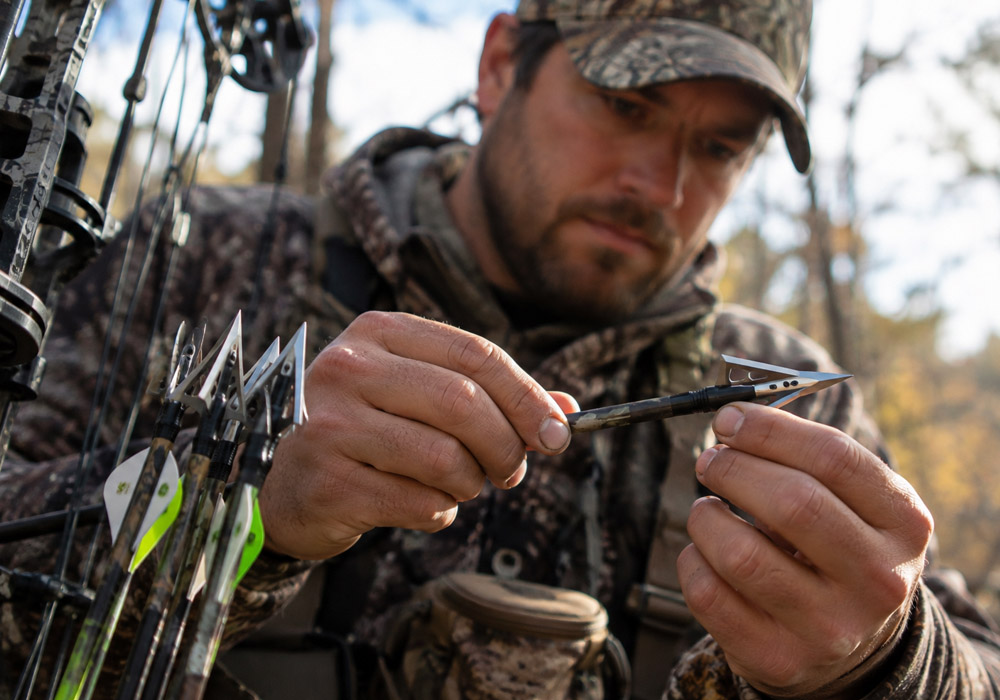
For archery hunters, short axle-to-axle compound bows offer exceptional clearance when maneuvering inside cramped ground blinds or thick tree canopy branches. Equipping heavy, high-momentum arrow shafts paired with razor-sharp fixed-blade broadheads guarantees maximum bone-splitting penetration through heavy shoulder muscle and bone if an animal presents a tight, quick angle in brush. Heavy arrow setups retain kinetic energy efficiently and cut cleanly through small lingering twigs without deflecting off course radically.
Rifle hunters operating in heavy timber benefit from short-barreled carbines equipped with low-magnification optics or red dot sights that allow for rapid, two-eyes-open target acquisition. Utilizing durable, scratch-resistant lens coatings protects glass from abrasive branches and moisture, while quiet fleece or softshell outerwear prevents noisy fabric rustling when drawing or shouldering your weapon in close quarters.
Open Country and High-Country Wilderness Setups
High-altitude alpine basins, rolling sagebrush plains, and agricultural glassing country present environmental challenges that are the exact opposite of thick timber hunting. Open terrain exposes hunters to long-range visual detection, swirling mountain winds, steep elevation changes, and extended shooting distances that test every aspect of your marksmanship.
In open country, long-range optical glassing is your primary tool for locating game before planning stalk approaches. High-magnification binoculars paired with lightweight carbon fiber tripods allow you to glass distant ridges for hours without neck strain or eye fatigue. Rangefinders equipped with angle-compensating technology are essential for calculating true horizontal ballistic distances when shooting up or down steep mountain faces.
Archery setups for open plains favor micro-diameter carbon arrows fitted with low-profile vanes to minimize crosswind drag across extended distances. Bows with longer axle-to-axle measurements provide built-in stability and forgiving pin float when holding on distant targets during gusty winds. Lightweight, breathable technical outerwear featuring windproof membranes keeps you warm during long glassing sessions while allowing for high-exertion mountain climbing.
Micro-Diameter Arrows for Reduced Wind Drift
Slender micro-diameter arrow shafts present significantly less surface area to crosswinds, preserving tight target groupings across open country distances.
Minimizing lateral wind drift ensures precise arrow impact on distant vital zones. Aerodynamic shaft design enhances open-country archery accuracy.
Angle-Compensating Rangefinders for Mountain Elevation
Laser rangefinders with integrated inclinometers calculate true horizontal distance automatically when shooting up or down steep canyon walls.
Relying on true horizontal trajectory prevents overshooting targets on extreme mountain angles. Ballistic angle compensation guarantees precise shot execution.
Extreme Cold and Sub-Zero Winter Environments
Late-season winter hunts subject equipment, electronics, and physical human endurance to harsh, freezing conditions that can quickly cause gear failure if you are unprepared. Sub-zero temperatures reduce battery performance, stiffen bowstrings, freeze lubricants, and test the thermal limits of your hunting clothing.
In sub-freezing temperatures, moisture management is critical to preventing hypothermia during long, stationary sits. Utilize modular layering systems featuring merino wool base layers, high-loft synthetic or down insulation mid-layers, and waterproof, windproof outer shells. Wearing roomy winter boots with thick wool socks prevents restricted foot circulation, keeping toes warm during freezing stands.
Electronics like GPS units, rangefinders, and illuminated reticles require high-grade lithium batteries, which retain operating voltage significantly better than standard alkaline options in freezing weather. Archery hunters must practice drawing their bows while wearing heavy winter outerwear, safety harnesses, and thick gloves to ensure bulky clothing layers do not interfere with the bowstring, d-loop, or release mechanism upon launch.
Lithium Battery Performance in Freezing Weather
Lithium batteries maintain constant power output in sub-zero temperatures, keeping GPS units and rangefinders operational during cold hunts.
Storing spare batteries inside warm jacket pockets preserves battery life until needed. Reliable battery management ensures continuous electronic function.
Winter Outerwear Clearance for Archery Strings
Testing bow draw cycles while wearing bulky insulated jackets verifies that heavy sleeve fabric does not contact the bowstring during release.
Tucking jacket sleeves securely with armguards prevents string slap and erratic arrow flight. Apparel testing prevents cold-weather field surprises.
Wet, Humid, and Coastal Rainforest Conditions
Coastal rainforests, marshy river deltas, and persistent autumn downpours create high-humidity environments that rapidly degrade unprotected gear through rust, lens fogging, and water saturation. Keeping gear dry and operational during continuous rain requires specialized waterproof equipment and diligent daily maintenance.
Invest in high-performance technical rain gear constructed from breathable, waterproof membranes featuring fully taped seams. Reapply durable water-repellent sprays to outer jacket shells before your hunt to ensure rainwater beads off fabric rather than saturating the material. Store sensitive electronics, spare clothing layers, and field dressing kits inside ultralight dry bags inside your pack to guarantee dry backup supplies.
Opt for stainless steel or synthetic-coated rifle actions and scope mounts that resist rust and corrosion caused by constant moisture exposure. Clean and dry optics glass using specialized microfiber cloths and protective neoprene scope covers to prevent water droplets from blurring your sight picture during crucial shooting opportunities. Thoroughly dry and oil all metal equipment at the end of every wet hunting day.
Ultralight Dry Bags for Pack Organization
Packing dry clothing, sleeping bags, and electronics inside sealed dry bags protects essential gear from torrential rain and swamp water.
Organizing gear into color-coded dry bags simplifies gear retrieval inside dark backpack interiors. Waterproof organization preserves vital backcountry supplies.
Protective Scope Covers for Wet Glass
Neoprene scope covers protect delicate optic lenses from rain droplets, mud splatters, and abrasive brush until the moment you prepare to shoot.
Flipping off protective covers instantly reveals clean, dry glass for immediate target acquisition. Optic protection ensures clear sight pictures in downpours.
Spot-and-Stalk vs. Elevated Tree Stand Tactics
Your chosen hunting methodology—whether actively stalking game across open ground or sitting patiently in elevated tree stands—directly dictates the physical footprint and weight profile of your hunting kit. Aligning gear weight and noise profiles with your tactical approach enhances field efficiency.
Spot-and-stalk hunting demands lightweight, ergonomic equipment that allows for rapid physical movement over long distances without causing fatigue. Internal frame backpacks featuring supportive hip belts distribute heavy loads comfortably across your torso, while quiet, soft-shell pants prevent noise when crawling through brush. Silent footwear featuring soft, flexible soles enables silent foot placement during final stalking approaches.
Conversely, elevated tree stand and ground blind hunting prioritizes absolute silence, thermal insulation, and physical comfort during hours of motionless waiting. Equip your setup with silent fleece outerwear, insulated seat cushions, and gear hoists that raise weapons silently into stands. Heavy gear weight is less restrictive during stationary hunts, allowing you to prioritize maximum warmth and stealth over ultralight packability.
Silent Footwear Choices for Close-Range Stalking
Flexible hunting boots featuring soft rubber outsoles allow you to feel twigs underfoot, enabling silent weight transfers during final stalks.
Eliminating loud foot crunches allows you to close distance on alert game unnoticed. Stealthy footwear maximizes spot-and-stalk success rates.
Equipment Hoists for Elevated Stand Safety
Using lightweight paracord hoists allows you to pull unloaded weapons and heavy backpacks up into tree stands safely after climbing.
Hoisting gear keeps both hands free for secure ladder climbing, eliminating dangerous fall risks. Gear hoists support safe, silent elevated setups.
Target Species and Game Density Adaptations
The physical size, hide thickness, bone density, and alertness of your primary target species dictate the terminal performance required from your weapon and ammunition. Tailoring your setup to match the specific anatomical demands of game animals ensures quick, ethical harvests.
When hunting smaller, thin-skinned game like pronghorn or white-tailed deer, light-to-medium arrow setups or standard rifle calibers deliver exceptional speed, flat trajectories, and rapid energy transfer. Engagement distances can be unpredictable, making flat shooting setups advantageous for quick distance adjustments.
When pursuing heavy, tough-skinned big game like Rocky Mountain elk, moose, or coastal bears, terminal penetration becomes the single most critical factor. Archery setups must emphasize heavy total arrow mass, high front-of-center weight bias, and cut-on-contact broadhead designs that can fracture thick rib bones without bending or stopping. Matching weapon lethality to animal anatomy guarantees rapid, complete pass-throughs.
Heavy Arrow Setups for Tough Big Game
Building arrows with high total grain weight maximizes momentum and kinetic energy retention during deep tissue penetration on large game.
Heavy arrows push through thick muscle and heavy rib bones effortlessly, creating massive wound channels. High-momentum setups guarantee lethal penetration.
Speed and Flat Trajectory for Agile Game
Lighter arrow or bullet configurations deliver maximum velocity, flattening trajectory curves over variable distances in open terrain.
Flat shooting trajectories minimize impact errors caused by minor distance miscalculations on flighty game. Speed-optimized setups excel on open plains.
Conclusion
Choosing the right hunting setup is a dynamic process that requires matching your equipment to the specific demands of your environment, weather forecast, hunting style, and target species. By customizing arrow configurations, optic choices, clothing layers, and weapon setups for dense timber, open country, winter cold, or coastal rain, you eliminate gear vulnerabilities before stepping onto the trail. Adapting your equipment thoughtfully ensures that when a harvest opportunity arises, your setup operates with flawless precision and lethal consistency.