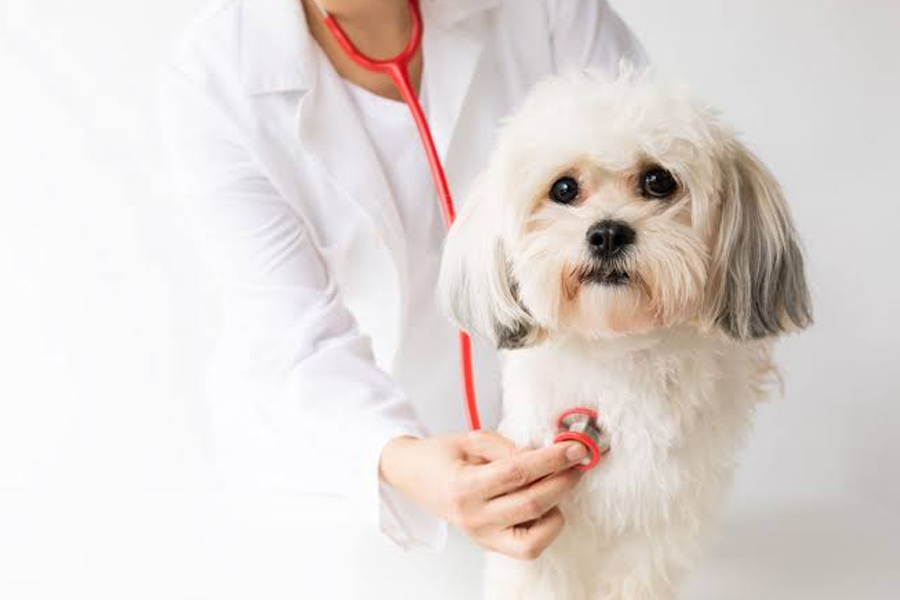
You know your pet’s normal habits better than anyone. That is why a sudden limp, vomiting at midnight, a swollen face, or breathing that sounds wrong can send your mind racing fast. You are not overreacting. When an animal seems off, the hard part is figuring out whether it can wait for a routine visit or needs help right away. If you are unsure, contacting an Ajax veterinary clinic can help you decide what to do next.
How Animal Hospitals Handle Common Pet Health Issues And Emergencies comes down to triage, fast assessment, pain control, testing when needed, and clear guidance for what happens next. Some problems can be treated and sent home the same day. Others need oxygen, fluids, imaging, surgery, or close monitoring. The goal is simple. Stabilize first, diagnose second, and protect your pet from getting worse while answers are being found.
Animal hospitals sort urgent pet problems by severity
When you arrive at an animal hospital, the first step is usually triage. Staff look for signs that cannot wait, such as trouble breathing, collapse, seizures, major bleeding, heatstroke, toxin exposure, or a blocked urinary tract. A pet with itchy ears may wait a bit. A pet struggling for air goes straight back. That difference can feel jarring in a waiting room, especially if you have been holding a frightened animal for an hour, but it is how hospitals protect the sickest patients first.
Common issues seen in an animal hospital often include vomiting, diarrhea, skin infections, limping, eye injuries, allergic reactions, wounds, ear infections, and sudden changes in appetite or energy. Some of these look mild at first and then turn serious fast. A dog that keeps retching without producing anything may have bloat. A cat that keeps visiting the litter box but cannot urinate may have a life threatening blockage. A small puncture wound can hide a deep infection under the skin.
That is why hospitals do not rely on one symptom alone. They look at heart rate, breathing rate, temperature, gum color, hydration, pain level, and mental status. They ask when the problem started, what your pet may have eaten, whether there was trauma, and what medications are already being used. The details you bring in can speed up care.
Emergency veterinary care focuses on stabilization before diagnosis
People often expect a full diagnosis right away, but emergency veterinary care usually starts with stabilization. If a pet is in shock, dehydrated, in severe pain, or not getting enough oxygen, those problems are treated first. That may mean IV fluids, oxygen support, anti nausea medication, pain relief, sedation, bandaging, or efforts to stop active bleeding.
Once the pet is stable enough, the hospital may recommend bloodwork, X rays, ultrasound, urine testing, or monitoring. In some cases, treatment starts before every answer is in hand because waiting would be riskier. Cornell’s emergency and critical care service describes this kind of hospital based approach in its overview of emergency and critical care, where pets with sudden illness or injury receive rapid evaluation and ongoing support.
The financial side can hit hard, especially when the emergency happens after hours. Triage exams, diagnostics, overnight care, and surgery can add up quickly. That stress is real, and hospitals usually know it. Many teams will explain which tests are most urgent, which can wait, and what the likely treatment paths are. If you are overwhelmed, ask for the top priorities first. Clear choices are easier to handle than a long list when you are scared.
Common pet health issues and emergencies need different responses
Some problems respond well to outpatient care. An uncomplicated ear infection may need an exam, ear cleaning, medication, and follow up. Mild vomiting may call for fluids, anti nausea treatment, and a bland diet at home. A torn nail, minor cut, or skin flare up can often be managed without admission.
Other problems need immediate intervention. Toxin ingestion, severe allergic reactions, hit by car injuries, snake bites, seizures that do not stop, and labor problems are in a different category. If you are unsure whether your pet needs urgent care, the FDA offers a practical guide on who to call if you have a pet emergency, including when to contact your regular veterinarian, an emergency clinic, or poison help resources.
| Situation | Likely Hospital Response | Can It Wait? |
| Single episode of vomiting, still alert, drinking water | Exam, symptom review, possible home monitoring or same day visit | Sometimes, if symptoms stop and no other red flags appear |
| Repeated vomiting, weakness, bloated belly, dry heaving | Immediate triage, imaging, fluids, pain control, possible surgery | No |
| Limping but bearing weight | Physical exam, pain assessment, possible rest and medication | Often short wait is okay unless pain is severe |
| Difficulty breathing, blue or pale gums | Emergency oxygen support and rapid stabilization | No |
| Cat straining in litter box with little or no urine | Urgent exam, bladder assessment, likely catheterization | No |
| Small cut with controlled bleeding | Cleaning, closure if needed, antibiotics or pain relief | Usually brief delay is okay |
Fast action helps animal hospitals treat pets more effectively
Step 1: Call before you leave. Give the hospital your pet’s species, age, weight, symptoms, and when they started. Say if there was toxin exposure, trauma, trouble breathing, or active bleeding. This lets the team prepare oxygen, isolation, or surgical support if needed.
Step 2: Bring the right information. Take medication bottles, photos of vomit or stool if relevant, the toxin package if your pet chewed something, and records from your regular vet if you have them. If your pet ate a food, plant, or chemical, the label matters. Specific details can change treatment fast.
Step 3: Watch for red flag changes on the way. Worsening breathing, collapse, seizures, swelling, pale gums, and nonstop crying or distress should be reported as soon as you arrive. If your pet is safe to move, keep them warm, quiet, and restrained with a carrier or towel. Do not try home remedies unless a veterinarian tells you to.
Good emergency care gives you a plan, not just a bill
The best pet emergency hospital care does more than respond to panic. It gives you a path forward, whether that means home care instructions, a recheck plan, overnight monitoring, or referral for surgery and specialty treatment. You do not need to know the diagnosis before you ask for help. You just need to notice that your pet is not right and act on it.
If your pet is showing signs of illness or injury, contact an animal hospital as soon as possible for guidance and urgent care when needed. Fast action can protect your pet from a crisis that gets harder, riskier, and more expensive to treat.