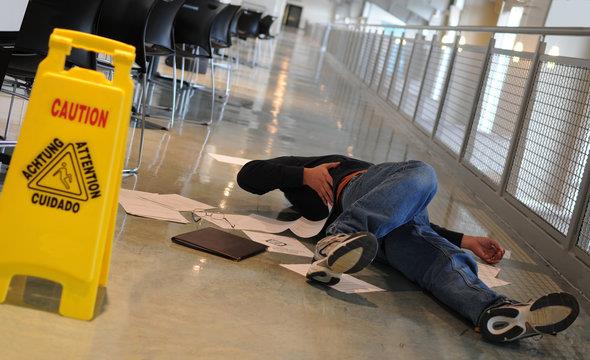
Surveillance footage can help explain how a slip and fall accident happened, what caused the fall, and whether the property owner failed to maintain a safe environment. Video recordings may capture hazardous conditions, the victim’s movements, and the actions of employees before and after the incident.
A slip and fall lawyer can help injured victims understand how surveillance footage may support their claims. This evidence can be useful when dealing with insurance companies or seeking compensation for medical expenses, lost wages, and other accident-related losses.
Understanding how video evidence works can help victims protect their rights and build a stronger premises liability claim.
How Surveillance Footage Helps Establish Fault
Surveillance cameras may record spills, wet floors, damaged walkways, loose carpets, or other hazards that contribute to slip and fall accidents. These recordings can help show whether a dangerous condition existed before the accident and whether the property owner had an opportunity to address it.
For example, footage showing a spill that remained on the floor for an extended period may help establish that the property owner or staff knew, or reasonably should have known, about the hazard. However, the recording must be considered alongside other evidence to determine responsibility.
Proving How the Accident Happened
Witness accounts may differ when describing a slip and fall incident. Surveillance footage can provide a visual record that helps clarify the sequence of events.
The video may show where the victim was walking, what caused them to lose their balance, and whether warning signs or safety barriers were present. This information can help investigators, attorneys, and insurance adjusters assess the circumstances surrounding the accident.
However, not all cameras capture the entire area, and some recordings may have limited angles or poor image quality.
Supporting Injury and Damage Claims
Surveillance footage may also help establish the immediate effects of a fall. A recording might show the victim falling, struggling to stand, or requiring assistance from nearby employees or customers.
Although video cannot independently prove every injury or its severity, it can support medical records, photographs, and witness statements. Together, these forms of evidence may help explain how the accident affected the victim and why compensation is being requested.
Why Acting Quickly Matters
Many businesses and property owners automatically delete surveillance recordings after a short period unless the footage is preserved. Waiting too long could mean losing important evidence.
Victims should document the accident, identify nearby cameras, and report the incident to the property owner or manager. They may also request that relevant footage be preserved. If a claim is likely, an attorney can explain the appropriate steps for requesting or obtaining the recordings.
Access to surveillance footage is not always automatic, and legal procedures may be necessary to obtain it.
What If the Footage Is Missing or Incomplete?
Missing footage does not automatically prevent someone from pursuing a slip and fall claim. Other evidence, such as incident reports, photographs, maintenance records, witness statements, and medical documentation, may still help establish what happened.
If footage appears to have been deleted or withheld, the circumstances matter. Whether this affects the claim depends on factors such as preservation requests, applicable legal requirements, and the reason the recording is unavailable.
Points to Remember
- Establishing Fault: Surveillance footage can show how the accident happened and whether a hazardous condition contributed to the fall.
- Identifying Hazards: Video recordings may reveal spills, wet floors, damaged walkways, or missing warning signs.
- Supporting Injury Claims: Footage can support medical records and witness statements about the accident.
- Preserving Evidence: Requesting footage quickly can help prevent recordings from being deleted.
- Using Alternative Evidence: Photographs, incident reports, and witness statements may help support a claim if footage is unavailable.