You may have started with a small crack, a tooth that suddenly hurts when you chew, or a filling that keeps failing. Then came the recommendation you were not expecting. A crown. For a lot of people, that word lands with stress because it sounds serious, expensive, and permanent. That reaction makes sense. When a dentist says you need more than a simple filling, it usually means the tooth has lost enough strength that it needs real support. Littleton dental crowns can provide that added protection and stability.
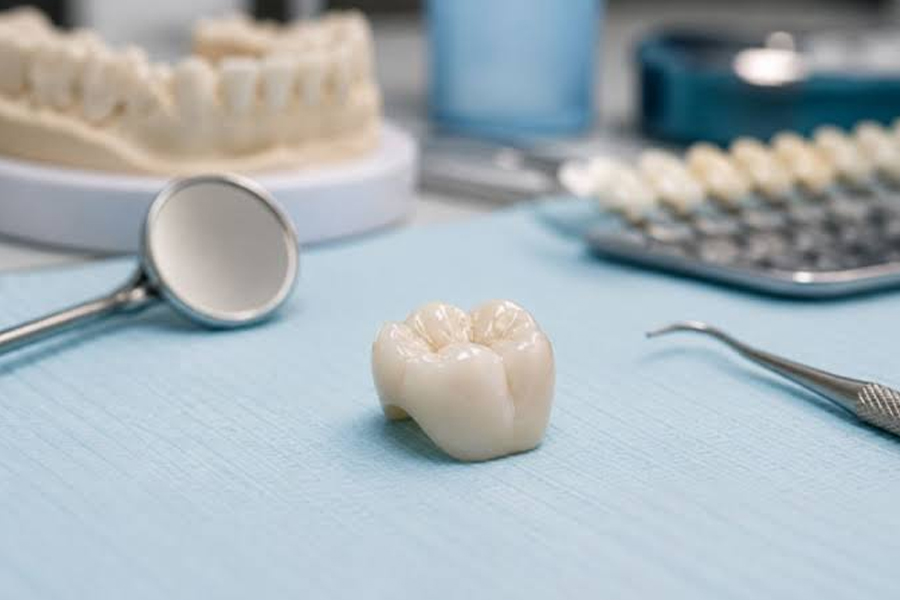
Dental crowns are used to cover and protect a damaged tooth, restore its shape, and help you bite normally again. They are often recommended when a tooth is badly decayed, cracked, worn down, or weakened after a root canal. The goal is not cosmetic alone. It is to keep a vulnerable tooth from breaking further and turning into a bigger problem.
A dental crown is often the next step when a tooth cannot hold up on its own
A healthy tooth can usually handle a filling if the damage is small. Once too much tooth structure is gone, a filling may not be enough. The tooth may flex under pressure, chip at the edges, or split without much warning. That is when a crown becomes less of an upgrade and more of a rescue.
Tooth decay is one of the most common reasons this happens. Cavities do not always hurt right away, which is why people are often surprised when a routine visit turns into a discussion about more involved treatment. The NIH overview on tooth decay explains how decay can move deeper into the tooth over time, affecting both strength and comfort.
You may also need a crown if you have a cracked tooth, a large old filling that is failing, severe grinding wear, or a tooth that has had root canal treatment. Root canals remove infected tissue from inside the tooth, but that process can leave the tooth more brittle. According to NCBI information on root canal treatment, restoring the tooth afterward is a key part of protecting it for the long term.
The signs that point to a crown are often easy to dismiss at first
Many people wait because the tooth still works most of the time. You can chew on the other side. The pain comes and goes. The crack only shows in certain light. That delay is understandable, but it can backfire. A tooth that is weak enough to need a crown can break deeper under pressure, and once the break extends below the gumline, saving the tooth becomes much harder.
Some common signs include pain when biting, sensitivity to hot or cold, a tooth that looks worn or fractured, or a filling that feels loose. Sometimes there is no pain at all. The only clue is that the tooth has so much damage that there is not enough solid structure left to support a filling. In those cases, a crown is used to hold everything together before the tooth fails.
If you are wondering whether this is urgent, the answer depends on what is going on inside the tooth and how weak it has become. A delay of a few days is different from putting it off for months while chewing on a cracked molar every day.
What to expect during a dental crown procedure
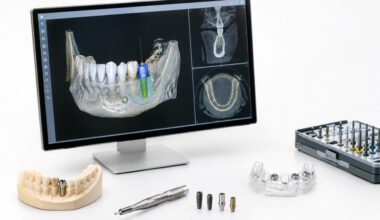
The tooth crown procedure is usually done in two visits, though some offices offer same day crowns. At the first visit, the dentist examines the tooth, takes images if needed, removes decay or weak structure, and shapes the tooth so the crown can fit over it. You are numbed for this part, so you should feel pressure more than pain.
After the tooth is shaped, an impression or digital scan is taken. A temporary crown is placed while the final crown is made. That temporary matters more than people think. It protects the tooth, keeps it from shifting, and lets you function while you wait. If it comes off, call your dental office rather than trying to ignore it.
At the second visit, the final crown is checked for fit, bite, and color, then cemented into place. MedlinePlus gives a helpful outline of what happens during a dental crown procedure and why careful fitting matters.
Afterward, mild soreness around the gum is common. Sharp pain is not. If your bite feels high, if floss shreds around the crown, or if you cannot chew comfortably after a few days, it should be adjusted. A good crown should feel like part of your mouth, not like something you are fighting with every meal.
Comparing a filling and a crown helps clarify why treatment changes
| Situation | Filling | Crown |
| Small cavity or minor damage | Often enough to restore the tooth | Usually not needed |
| Large cavity or large old filling | May leave the tooth weak and prone to fracture | Provides full coverage and support |
| Cracked or worn tooth | May not stop the crack from spreading | Helps hold the tooth together |
| After root canal treatment | Sometimes used on front teeth with limited damage | Often recommended, especially for back teeth |
| Cost upfront | Lower | Higher |
| Risk if treatment is delayed | Decay or fracture can worsen | Delay can lead to deeper cracks, pain, or tooth loss |
This is where many people get stuck. A filling costs less now, so it feels easier to choose the smaller fix. If the tooth no longer has enough healthy structure, that choice may only buy time. A failed filling followed by a broken tooth can lead to a crown anyway, or an extraction and replacement if the damage goes too far. In plain terms, a crown often costs more because it is solving a larger structural problem.
Three steps to take before you move forward with a dentist
- Ask what problem the crown is solving. You want a clear reason, not a vague recommendation. Is the tooth cracked, heavily decayed, or weak after a root canal? A good explanation should make sense to you.
- Find out what happens if you wait. Some teeth can safely wait a short time. Others are one hard bite away from breaking. Ask for a realistic timeline based on your specific tooth, not a generic warning.
- Protect the tooth while you decide. Chew on the other side, avoid sticky or hard foods, and keep the area clean. If you have a temporary crown, treat it carefully. That small step can prevent a manageable issue from becoming an emergency.
A crown can protect your tooth and spare you a bigger problem later
Hearing that you need a crown can feel like a lot, especially if the tooth was not bothering you much. Still, when a tooth is weak, waiting rarely makes it simpler. When you need a crown on a tooth, the goal is usually straightforward. Keep the tooth stable, restore function, and prevent the kind of break that leads to more treatment, more cost, and more stress.
If your dentist has recommended a crown, ask direct questions, get clarity on timing, and make a plan you can follow through on. A well made crown does not just repair damage. It gives that tooth a real chance to last.