Rodents such as mice and rats are naturally drawn to places where they can find food, water, warmth, and shelter. While many homeowners focus on keeping food stored properly and sealing holes around their homes, clutter is another important factor that should not be overlooked. Piles of boxes, unused furniture, stored materials, and other items can create dark, quiet spaces where rodents can hide and build nests.
Keeping your home or business organized is not just about appearance. Reducing clutter makes your property less attractive to rodents and easier to inspect for signs of an infestation before the problem becomes serious.
Why Rodents Prefer Cluttered Areas
Mice and rats are cautious animals. They usually avoid open areas where they can easily be seen or exposed to predators. Instead, they prefer protected spaces that provide cover as they move around.
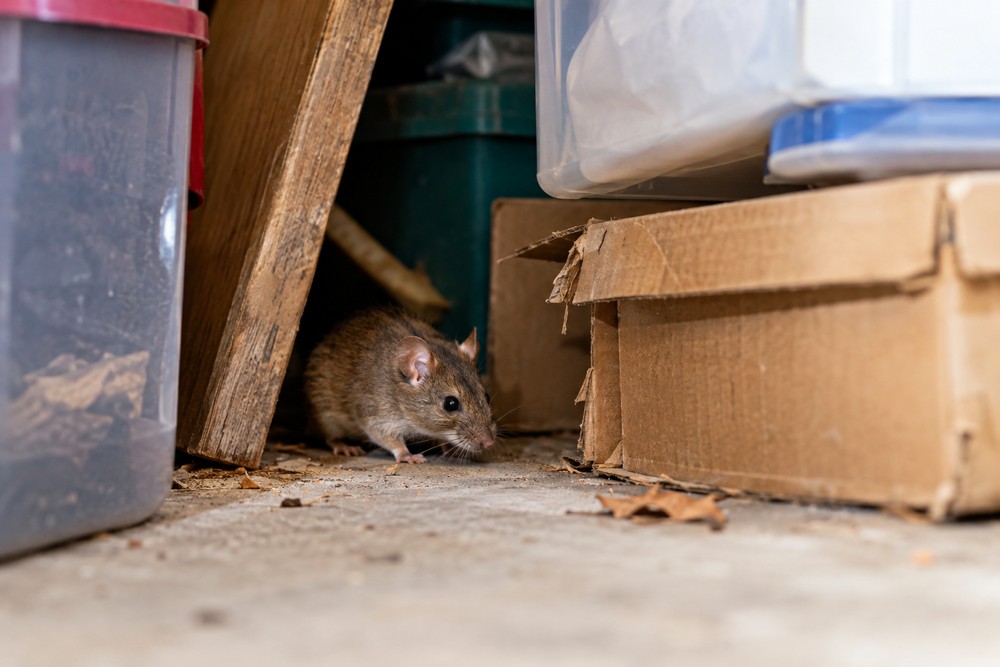
Clutter gives rodents exactly what they need. A stack of cardboard boxes, a crowded storage room, or a pile of unused items can create narrow spaces that are difficult for people to inspect. Rodents can move between these objects while remaining hidden.
Cluttered areas also tend to be less disturbed. If a basement, garage, attic, or storage area is rarely used, rodents may find it especially comfortable. Once they find a quiet place with access to food and water, they may keep returning. Professional rodent control Leesburg VA services can help identify and address rodent hiding spots caused by clutter, reducing the risk of infestations in your home or around your property.
Cardboard Boxes Can Provide Ideal Hiding Spots
Cardboard is one of the most common materials found in cluttered homes, garages, and storage areas. Unfortunately, it can also provide rodents with both shelter and nesting material.
Mice can chew cardboard into small pieces and use it to build soft nests. Boxes stacked closely together can also create dark gaps where rodents can hide. If boxes sit directly against walls or on the floor for long periods, they can make it hard to inspect the area for droppings, gnaw marks, or other signs of rodent activity.
Plastic storage containers with secure lids are a better option for items stored long-term. Keeping containers elevated from the floor can also make cleaning and inspection easier. Using Ashburn junk removal services to clear out unwanted furniture, boxes, and outdoor debris can help eliminate common hiding spots for rodents and make your property less attractive to pests.
Clutter Can Hide Rodent Activity
One of the biggest problems with clutter is that it can conceal evidence of an infestation. Rodents often leave droppings, urine, nesting materials, and damaged objects behind.
When an area is crowded with stored belongings, these signs can go unnoticed. A homeowner may not realize there is a problem until the population has grown or rodents begin appearing in more visible areas of the property.
Regularly organizing storage spaces makes it easier to spot unusual activity. If you can clearly see floors, corners, walls, and shelves, you are more likely to notice signs that something is wrong.
Garages Can Become Rodent Shelters
Garages often contain many items that are rarely used. Old boxes, gardening equipment, bags, tools, furniture, and seasonal decorations can quickly accumulate.
When these items are stored without organization, they can create multiple hiding places. Rodents may move from one sheltered area to another without being noticed.
To reduce potential hiding spaces, avoid creating large piles along garage walls. Keep stored items organized on shelves or in sealed containers. Sweep the floor regularly and remove unnecessary materials before they accumulate.
A clean, organized garage also makes it easier to spot gaps around doors, walls, pipes, and other possible entry points.
Basements and Attics Need Special Attention
Basements and attics can be particularly attractive to rodents because they are often quiet and receive little daily activity.
A cluttered basement may contain old furniture, boxes, clothing, papers, and household items. An attic may have stored decorations, insulation, luggage, and other materials. These objects can provide plenty of places for rodents to hide.
Inspect these areas regularly and avoid storing unnecessary items. Keep belongings organized and leave enough space around walls and corners to inspect easily. If you notice droppings, shredded materials, unpleasant odors, or scratching sounds, investigate the area promptly.
Outdoor Clutter Can Attract Rodents Too
Rodent hiding places are not limited to the inside of a building. Outdoor clutter can also provide shelter.
Stacks of firewood, piles of leaves, unused equipment, discarded materials, and overgrown vegetation can create protected areas where rodents can stay during the day. If these areas are close to the home, rodents may have an easier path toward indoor spaces.
When possible, store firewood away from exterior walls and keep outdoor storage areas organized. Remove unnecessary debris and maintain vegetation around the property.
Clutter Can Make Cleaning More Difficult
Regular cleaning is a key part of rodent prevention, but clutter can make it much harder. When floors and surfaces are covered with stored items, dust, food particles, and other debris can collect underneath and between objects.
Rodents are attracted to accessible food sources, including crumbs, spilled pet food, and improperly stored pantry items. A cluttered environment can make these food sources harder to identify and remove.
Keeping floors and storage areas clear allows homeowners to clean more thoroughly. Food should be stored in sealed containers, and spills should be cleaned as soon as possible.
Organizing Your Home Can Reduce Hiding Places
Reducing clutter does not mean every room needs to be empty. The goal is to remove unnecessary materials and organize the belongings you need to keep.
Start by getting rid of damaged or unused boxes, old papers, broken furniture, and other items that no longer serve a purpose. Store important belongings in sturdy containers with secure lids. When practical, keep containers off the floor and avoid creating large piles against walls.
Leave enough space between stored items to allow for cleaning and inspection. This makes it much easier to identify potential rodent activity early.
Look for Signs of Rodents
Even after reducing clutter, watch for signs of rodents. Common warning signs include small droppings, gnaw marks, shredded paper or fabric, nesting materials, unusual odors, and scratching noises.
You may also notice damaged food packaging or greasy marks along walls where rodents frequently travel. Seeing a rodent during the day can sometimes indicate a larger infestation, especially when combined with other signs.
Early detection makes it easier to address the problem before rodents spread to other areas of the property.
When Professional Rodent Control May Be Necessary
Cleaning and organizing can help reduce hiding places, but they may not solve an existing infestation. Rodents can reproduce quickly and may remain hidden in hard-to-reach areas.
If you continue finding droppings, hearing scratching, discovering damaged materials, or seeing rodents despite your prevention efforts, professional pest control may be appropriate. A trained technician can inspect the property, identify potential entry points, determine where rodents are active, and recommend an appropriate treatment plan.
Final Thoughts
Clutter gives rodents something they naturally seek: protection. Boxes, piles of belongings, outdoor debris, and neglected storage areas can create quiet spaces where mice and rats can hide, nest, and move around unnoticed.
Keeping your property organized can reduce these opportunities. Remove unnecessary items, use sealed storage containers, store food properly, and regularly inspect garages, basements, attics, and sheds.