Most companies hand out a bonus and get a week of gratitude. Then the spreadsheet closes, the number fades, and the team is back to the same flat Monday it had before. A trip lands in a completely different place. It sticks in memory, it gets retold at dinner tables, and it changes how people talk to each other for months afterward.
That’s the case I’d make to any boss weighing the cost. The return doesn’t show up on a pay stub. It shows up in who volunteers for the ugly project in March, and in which rep picks up the phone for a teammate who’s drowning. Well-run corporate incentive trips are the version of this that actually lands, because someone else owns the vans and the check-ins while your people own the experience. Below are seven ways it plays out, plus how to plan one without turning it into a logistics circus.
Seven ways a trip changes how a team works
I’ll skip the vague stuff. Each of these is something you can watch happen on the ground, and each one carries a real penalty when you leave it out.
1. It gives people a reason to raise their game
Recognition that comes with a plane ticket reads differently than recognition that comes with a plaque. It’s public, it’s shared, and it’s the kind of thing a top performer actually brags about. When the reward is visible, the standard becomes visible too. Your mid-performers see exactly what earning it looks like, and they start reaching for it without a memo telling them to.
2. It builds trust faster than any workshop
Two colleagues who’ve navigated a strange airport together, split a plate of food they couldn’t pronounce, and gotten lost on the way back to the hotel have a short history that no trust exercise can fake. Research published in PMC on workplace fun points in the same direction: shared enjoyable experiences on the job tend to strengthen the relationships people rely on when work gets hard (PMC). You can’t schedule that in a conference room.
3. It resets the people who were closest to burning out
Your best people are usually your most tired people. A genuine break, away from the inbox and the daily standup, gives them something a long weekend can’t: distance. They come back with a cleared head and, honestly, a little more patience for the nonsense. That patience is worth real money when a quarter goes sideways.
What the trip actually does to the people on it
The first three are about the individual. The next four are about what happens between them.
4. It puts leadership in the room as humans
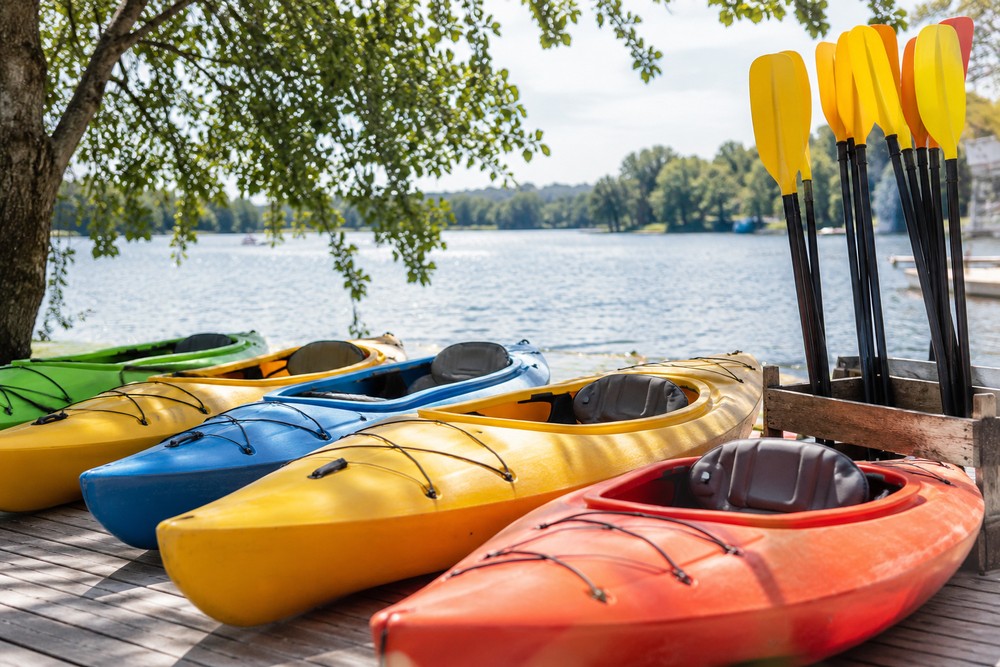
Your team sees the boss in meetings. On a trip, they see the boss try to paddle a kayak and fail. That detail does more work than you’d expect. It flattens the hierarchy just enough that people stop filtering every idea through what they think management wants to hear. Better ideas survive the trip home.
5. It gives remote and field teams a shared story
If your people are spread across territories, dealerships, or time zones, they’ve been a Slack channel and a headshot for years. A trip turns those names into faces. After that, a quick call replaces three days of email tag. Field sales and distributed teams are exactly where this pays off most, because the whole job runs on relationships.
6. It makes your company a place people want to stay
Retailers that invest in good jobs, the kind with real perks and real respect, tend to keep their people and perform better for it, as Harvard Business School’s work on the subject shows (HBS). A trip is one of the perks that gets talked about in interviews and in group chats with friends at other companies. That’s free recruiting, and it’s the kind you can’t buy.
7. It turns goals into something people can picture
“Hit your number and you’re going to Iceland” is a goal you can see in your head. Teams plan around pictures. They bring them up over lunch. The number stops being an abstraction on a dashboard and becomes a place with hot springs and a flight date.
The Tripio method: plan the trip around the outcome, not the destination
Here’s the framework I’d use, and it’s the one that separates a trip that works from an expensive vacation with a logo on it. Begin with the result you want, then build the itinerary backward from it.
- Identify the specific behavior you want to see more often. Not “boost morale.” Something like “get the East and West field teams actually talking.”
- Pick a trip shape that forces that behavior. Shared activities, small mixed groups, downtime that isn’t optional.
- Set the reward criteria in writing before you announce it. Ambiguity here poisons the whole thing.
- Pass the logistics to someone else. This is where most internal trips die. The person organizing it is usually your best performer, and they spend the trip managing vans instead of enjoying it.
That last point is why companies increasingly hand the whole thing to an operator that runs one itinerary for their group alone, with a host on the ground and a single per-person price set before anyone commits. Your top performers then show up as guests rather than event staff.
What to watch for
Two traps. First, don’t make the trip feel like a test. If people think attending is mandatory and skipping is career suicide, you’ve built a compliance exercise, not a reward. Second, don’t overstuff the schedule. The best moments on these trips happen in the gaps, and a packed agenda kills the gaps.
One more thing worth saying plainly: a trip doesn’t fix a broken culture. Whatever mood your team already carries, the trip will magnify it. Send a team that trusts each other and you’ll get a year of goodwill. Send a team in open conflict and you’ll get a very expensive awkward dinner.
Start with one clear goal
You don’t need a twelve-month plan. Pick the one behavior that would change your next quarter, design a trip that makes it inevitable, and let a professional team manage the bookings. The morale bump is real, but it’s a side effect. The productivity part comes from people who finally know each other well enough to work like it.
So which is it for your team: do they need a break, or do they need a reason to push? Get that answer right and the rest of the planning gets a lot easier.