Residential plumbing system
Not all plumbing issues are created equally, some minor problems can be easily managed by homeowners, but others can lead to expensive and even dangerous situations if not addressed immediately. Knowing when to call in a licensed plumber can help you avoid potentially disastrous plumbing problems and expensive repairs.
Urgent Warning Signs
Certain plumbing issues should not wait until tomorrow, if you have one of the following problems it’s best to call a plumber as soon as possible:
- No water pressure
- Overflowing toilet
- Cracked/burst pipes or water heater leaks
- Sewage backup
- Standing water around appliances, behind toilets or under sinks
- Water stains on walls or ceiling
- Bad sewer smell inside your home
If you notice any of the above problems it’s important to call a plumber as soon as possible. If there’s a leak and you’re able to identify the source of the leak turn off the water to that fixture or turn off the main water shutoff to your home. Never ignore a dripping faucet, slow drain or running toilet – these seemingly minor problems can lead to major plumbing issues and even extensive water damage if left unattended. Don’t wait until the problem gets worse, call a licensed plumber right away for any plumbing issues in your home.
Even if the water damage isn’t readily apparent don’t assume all is well, call a plumber to check for hidden water damage. For example, if you have a water stain on your ceiling or wall the water damage may extend well beyond what you see. Waiting to see if the stain dries out could result in extensive damage to the structure of your home as well as mold growth.
Common System Problems
Slow or Clogged Drains
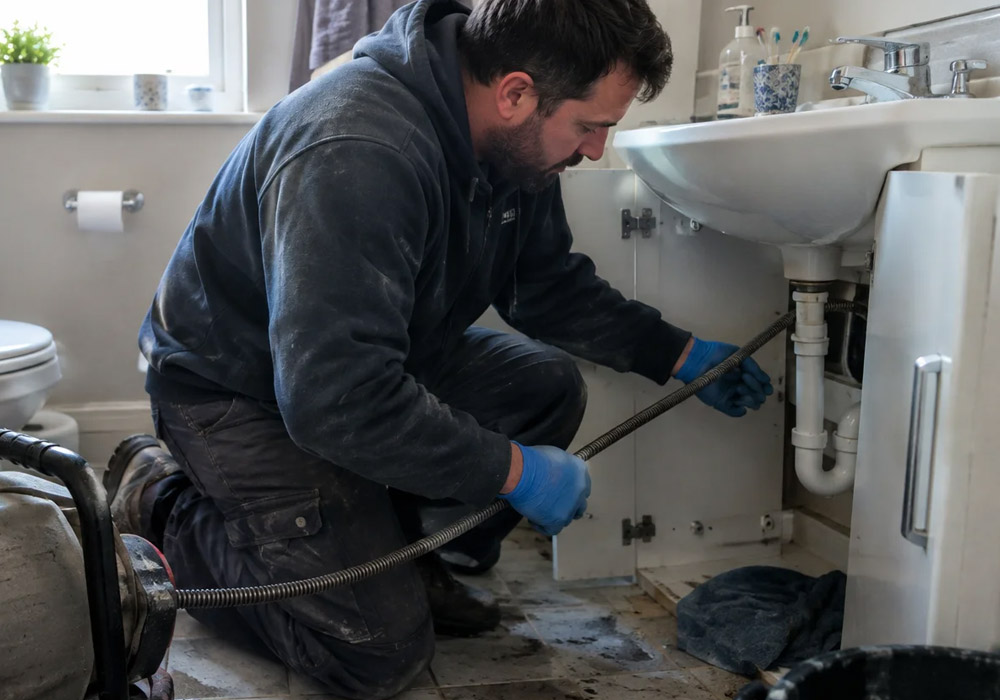
Clogged drains are a common household problem and many can be fixed with a plunger or by unclogging the trap. However, if you have several slow drains, gurgling sounds when water drains or water backs up in one drain when another is in use these could be signs of a bigger problem. Call a licensed plumber if you have clogged drains on more than one occasion. Never use chemical drain cleaners as these can cause extensive damage to your pipes and pose a safety risk for your family as well as the plumber who may have to enter your home to repair the drain.
Water Pressure Issues
Problems with your water pressure can range from dripping faucets to extensive water damage and flooding. Squealing pipes, faucets that spit air or loss of water pressure in your shower when another fixture is in use may be signs of a problem with your water pressure.
If your home’s water pressure (there’s a decent explainer at https://www.cnet.com/reviews/flo-home-water-control-and-monitoring-preview/) seems to be higher or lower than usual schedule an appointment with a plumber as soon as possible. High water pressure can put a strain on your home’s pipes, fixtures and appliances, increasing your risk for leaks and flooding. Low water pressure could indicate a number of problems including a leak, buildup or a valve that hasn’t been opened all the way.
Water Heater Problems
Residential water heater and pipes
Call a plumber immediately if you notice moisture around your water heater or if the relief valve is leaking – or contact this company, 1-Tom-Plumber, if you need local help. Don’t attempt to repair a leaking water heater using tape or sealant, call a licensed plumber immediately. Other problems that may indicate trouble with your water heater include discolored (rusty) water, rumbling sounds coming from the water heater, inconsistent water temperatures or water leaking from the base of the water heater.
Call a plumber if:
- Multiple drains are clogged or draining slowly
- You hear banging or other unusual noises coming from your pipes when water is turned off
- There are recurring problems with your water pressure
- You have problems with your water heater
- You see any sign of moisture around pipes or fixtures
- You suspect you may have a leak
Before the Visit
- Clear the area around the cleanout, shutoff valve or other affected area of clutter, including closets and cupboards. Remove or move furniture and make sure access panels are accessible. Your plumber may need at least a few feet of access to safely perform his or her work. Local building codes may also dictate certain clearances around appliances that burn fuel.
- If you have an active leak, turn off the water to the affected area or to your entire home. Keep children and pets away from sewage backups.
- Don’t use sinks, toilets or other fixtures that are affected by backups or clogs.
- If you rent your home contact your landlord in writing if you suspect you have a plumbing problem, especially leaks. Take pictures to document any existing damage before moving items or making major repairs.
When you contact us about a service call let us know:
- Which fixture is having problems
- When the problem started
- Whether the problem occurs intermittently or consistently
- If there are any other fixtures that seem to be affected (slow draining, unusual sounds, etc.)
- Whether there is standing water and if so, is it clear, gray water or does it appear to be sewage backed up?
- Whether there have been any recent plumbing or remodeling projects, new appliances installed or extremely cold weather.