Athletes put heavy physical stress on their bodies during every competitive game and daily training session. Explosive sprints, high vertical jumps, and sudden defensive stops send strong forces straight down into the gym floor. When a sports surface lacks proper cushioning, those harsh forces bounce right back into player joints and tired muscles. Good shock absorption protects active players from painful wear and keeps teams playing at peak levels.
How Subfloor Systems Protect Athletes
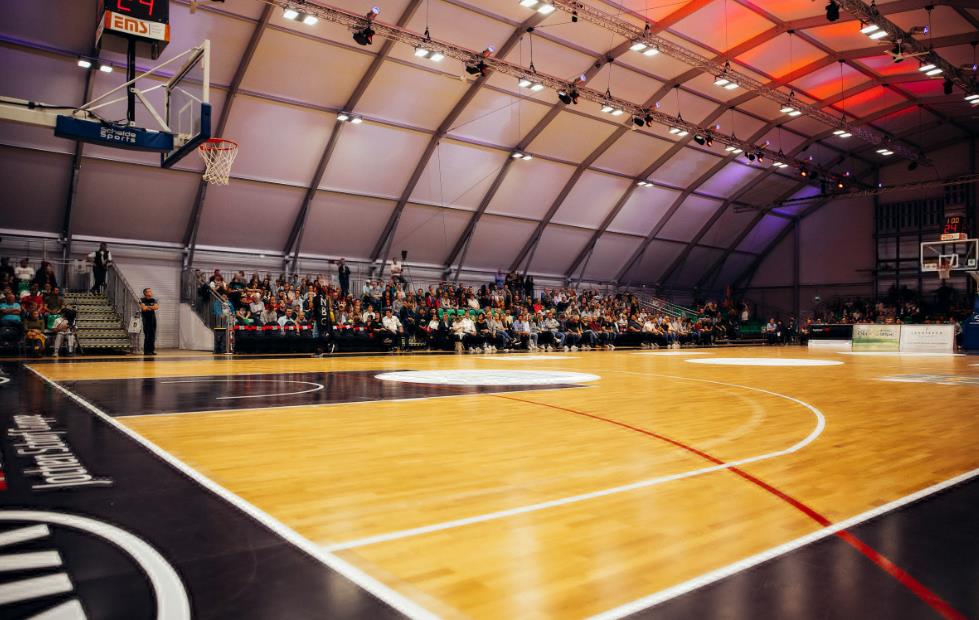
A quality sports surface does far more than shine under bright arena lights. Planning a hardwood basketball court installation requires choosing resilient subfloor pads that flex smoothly under heavy athlete landings. Those hidden shock-absorbing layers trap downward energy before it travels back up through a player’s ankles, knees, and lower back.
Bare concrete slabs offer no give when tall players land hard after grabbing a tough rebound. Modern subfloor systems use dense rubber pads or resilient foam channels to soften that sharp physical blow. Players feel far less joint pain after long weekend tournaments on properly cushioned maple courts.
Key Benefits of Cushioned Sports Surfaces
Facility managers often check surface grip, glossy finishes, and painted court lines before looking underneath. Adding engineered cushioning beneath the top maple boards brings major gains for athletes and facility owners.
- Reduces stress on player joints
- Lowers risk of overuse injuries
- Decreases muscle fatigue during games
- Maintains consistent ball bounce height
- Extends the usable floor lifespan
- Absorbs impact from heavy landings
Sports medicine researchers note that compliant floors cut peak impact forces during demanding basketball drills. Players keep fresher legs in the 4th quarter when the subfloor shares the physical load.
Balancing Cushioning and Ball Response
Too much floor softness creates an entirely different problem during fast indoor basketball games. Players waste valuable energy when a spongy surface feels like a soft mattress under their court shoes. Overly soft flooring slows down sprint speeds and deadens basketball bounces across the court.
Testing Force Reduction Standards
Independent testing labs evaluate sports floors to find the ideal balance between player safety and game speed. Global performance standards measure force reduction alongside surface flex so courts stay fast and predictable.
Protecting Athlete Speed and Agility
A well-built sports floor absorbs harsh downward shocks without stealing an athlete’s upward spring. Guards can cut sharply toward the hoop as post players battle inside the paint with steady footing.
Coaches rely on predictable floor response so athletes can trust every quick step and defensive pivot. Consistent traction and controlled surface flex help teams run crisp offensive plays at full speed.
Long-Term Value for Schools and Recreation Centers
Buying a shock-absorbing floor saves real repair money for local schools and community recreation centers. Strong impact control cuts structural wear on maple boards and steel fasteners over 15 to 20 years. Maintenance crews spend fewer hours fixing cracked planks, squeaky joints, or loose floor seams.
Facility management reports show that cushioned hardwood systems hold their structural strength through decades of heavy foot traffic. Parents, coaches, and tournament hosts quickly notice when a local gym puts player safety first.
Build a Safer Court for Every Athlete
Every jump, pivot, and sprint tests the physical limits of your indoor sports facility. Choosing athletic flooring with proven shock absorption shields players from avoidable injuries and keeps games competitive. Smart subfloor design turns an ordinary gym into a safer venue where athletes thrive for decades.