A pool may look fine even when small problems have started below the surface. Minor faults can remain unnoticed until they cause equipment damage, poor water quality, or costly repairs. Regular service helps detect these concerns early and supports the proper function of each pool component. Let’s explore the common mistakes that can raise costs when routine service is missed.
Clear water can still hide chemical imbalances that affect pool surfaces and equipment. Pool Captains Pool Service is one example of a company that helps with routine water checks and scheduled maintenance. Consistent service may help improve water quality before small changes create larger concerns. That steady approach helps limit unnecessary wear over time.
Equipment Problems Stay Hidden
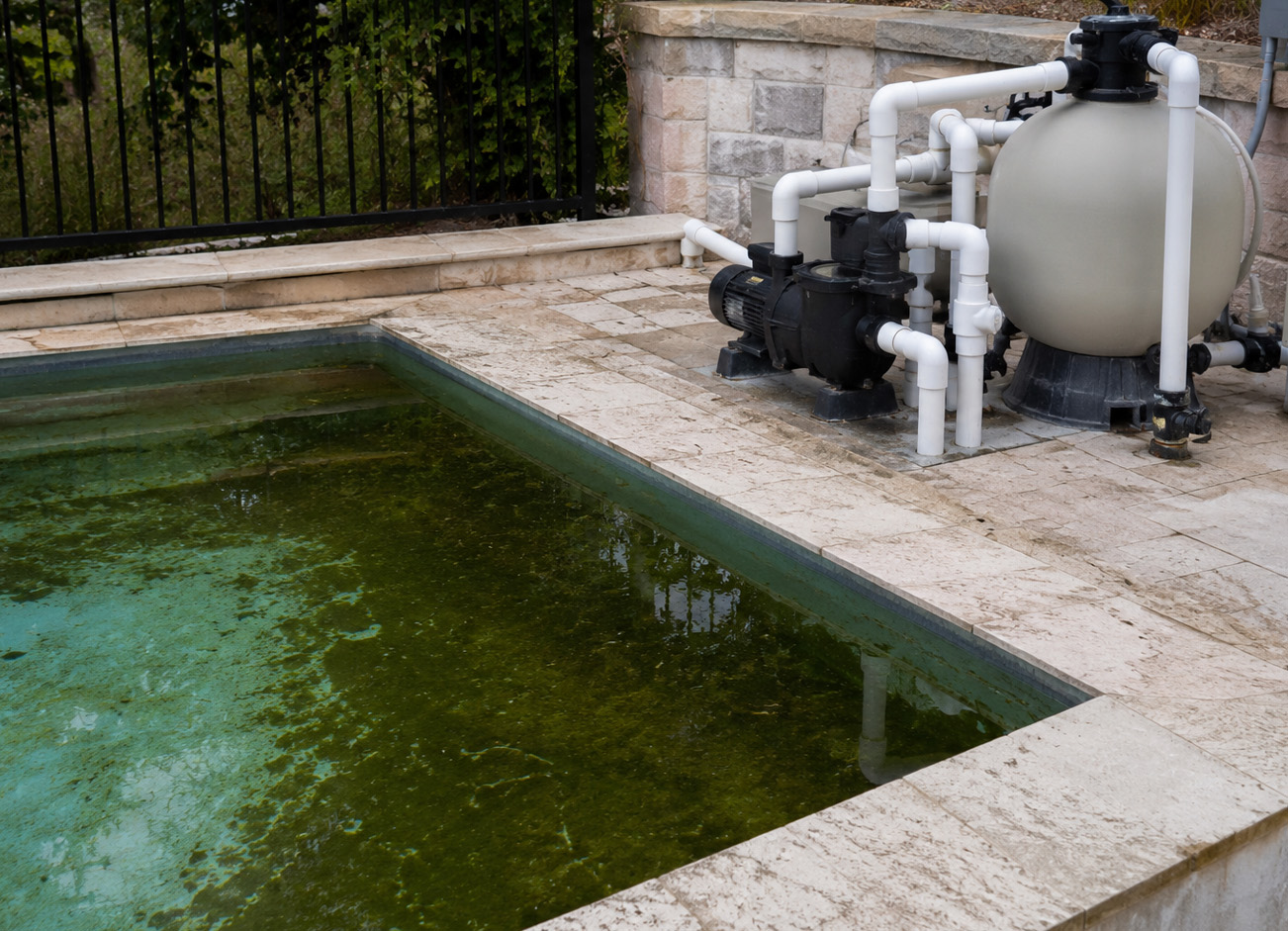
Pumps, filters, and heaters work hard every day, even when they appear normal. Small warning signs are easy to miss without routine inspections. A loose fitting or reduced water flow may lead to larger equipment failure later.
Signs Worth Attention
- Weak water circulation
- Unusual equipment noise
- Dirty filter pressure readings
- Minor leaks near equipment
- Air bubbles inside the pump basket
These signs may seem minor at first, yet they often point to larger issues. A simple inspection may help prevent expensive replacements and unexpected downtime.
Debris Creates More Than Surface Dirt
Leaves, dirt, and small branches do more than make water look untidy. Organic debris affects water balance and places extra strain on filters. Heavy buildup may also create ideal conditions for algae growth. Routine cleaning helps reduce these risks before they spread.
Blocked skimmer baskets and dirty filters force equipment to work harder than necessary. That extra effort may shorten the life of pumps and other mechanical parts. Pool Captains Pool Service serves as another example of scheduled maintenance that helps keep debris under control through regular visits. Simple upkeep often supports better circulation across the entire pool.
Missed Checks Raise Repair Costs
Equipment rarely fails without warning. Small cracks, worn seals, or loose connections usually appear first. Routine inspections help identify these concerns before major damage develops. Early repairs often cost far less than complete replacements.
Water loss is another issue that deserves quick attention. A slow leak may remain unnoticed for weeks without regular service. Higher water bills and damaged surrounding areas can follow if the problem continues. Consistent inspections help reduce the chance of those costly surprises.
Seasonal Changes Affect Pool Health
Weather shifts place extra pressure on the systems throughout the year. Heavy rain changes water chemistry, while hot weather speeds up chlorine loss. Wind also carries extra dirt and debris into the water. Regular service helps pools adjust to these seasonal changes more smoothly.
Vacation periods create another challenge because pools often sit without attention for several days or weeks. Water quality may decline faster than expected during that time. A planned maintenance schedule helps keep conditions stable until normal use resumes. That simple habit supports cleaner water and reliable equipment.
FAQs
- How often should a pool receive professional service?
Most residential pools benefit from weekly service, although weather, pool use, and surrounding trees can affect the schedule. Regular visits help spot small issues before they become costly repairs.
- Can clear pool water still have hidden problems?
Yes. Water may look clean while chemical levels remain unbalanced or equipment performance starts to decline. Routine testing helps detect these issues early.
- Is regular pool service worth the cost?
Regular service may help reduce repair expenses by keeping equipment in better condition and maintaining balanced water. Preventive maintenance is often less expensive than major repairs or part replacements.
Regular pool service is less about perfection and more about steady upkeep. Small inspections, routine cleaning, and balanced water may help prevent larger expenses later. A consistent schedule keeps small concerns from becoming costly repairs. Over time, that practical approach helps protect both the pool and the investment behind it.