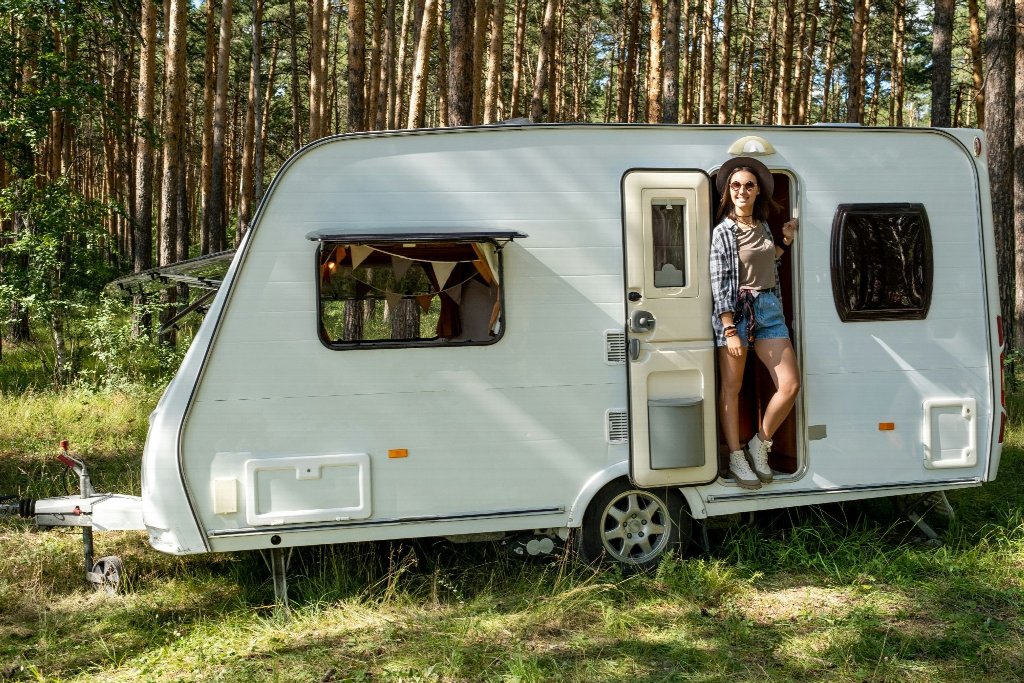
Why More Travellers Are Choosing Less Van
For years, the picture of a caravan holiday meant a long, heavy van, a large tow vehicle and a good deal of planning before leaving the driveway. That picture is changing. More travellers are looking at lighter, shorter caravans, and the reasoning is practical. A van that is easier to tow, simpler to park and quicker to set up tends to get used more often, and a caravan that gets used more often is better value than one that sits on the drive.
There is also an idea in this shift that surprises people at first. A shorter van can open up more places, not fewer. Narrow roads, tight campsites and awkward turns all become less daunting, and the trip becomes about where you want to go rather than where a long van can fit.
Where a Lighter Van Gets You
Towing is the first benefit most owners notice. A compact caravan weighs less, which widens the range of vehicles that can pull it comfortably. Many drivers who would feel stretched by a large van find a lighter one far less stressful on the highway, in crosswinds and on hills. Reversing is simpler as well, because a shorter van reacts more quickly to the steering and is easier to judge in a tight space.
Campsites become easier to find. A short van fits pitches that larger ones cannot, and it can follow narrower tracks to quieter spots. Set-up is quicker, with fewer steadies to wind down and less to level, so the first cup of tea arrives sooner after you pull in.
Running costs are lower. A lighter van usually means less fuel used on the road, and smaller tyres and components are generally cheaper to maintain. At home, storage is gentler on the budget and on the neighbours. A compact van fits more easily on a driveway, beside a house or in a modest shed, and does not dominate the street.
There is a softer advantage too. Because the van is simple to hitch and go, a weekend away happens on a whim. Owners of compact vans often say they take more short trips than they ever planned to, because the effort of leaving is so small.
The Trade-Offs Worth Knowing About
A shorter van asks you to choose what matters. Storage is the clearest limit. There are fewer cupboards, a smaller wardrobe and less room for extras, so every item has to earn its place. The kitchen and bathroom are tighter, and a bathroom may be a simple arrangement that works well for one person at a time. Beds are often limited to two, and a family of four or five will usually need a larger van.
Indoor space matters most when the weather turns. A wet afternoon in a compact caravan is cosy for a couple and crowded for anyone who likes room to move. Plan for it by carrying books, games or an awning that extends your living area outdoors.
Compact vans suit a particular kind of traveller. Couples, solo travellers and anyone who enjoys simple, flexible trips tend to be happiest. They are also well suited to people who want to tow with a modest vehicle or who need to store the van in a limited space.
Many builders now design compact ranges with these strengths in mind. The Galaxy in the On The Move caravans line, for example, is described as a compact touring caravan built for effortless travel and exploration, and it sits alongside larger and more off-road-focused models from a family-owned builder that has made caravans since 2001. Looking at how a compact tourer is laid out in person is a good way to judge whether the trade-offs suit your style of travel.
Making the Space Work for You
A compact van rewards good habits. Start by packing less. Most owners carry more than they need on a first trip and quietly leave things at home on the second. Lay out clothes for the week, choose a few versatile outfits and use soft bags that squeeze into odd corners.
Choose gear that does two jobs. A pot with a lid that doubles as a frying pan, a folding table that serves as both a bench and a dining surface, towels that dry quickly and fold small: each of these saves room. Collapsible items, such as buckets, bowls and storage crates, are especially useful.
Make the outdoors part of the living space. A good awning, a couple of folding chairs and a mat turn a tight interior into a comfortable base, and many owners find they spend most of the day outside anyway. Cooking on a barbecue or portable stove outdoors keeps the van cooler and the kitchen free for tidying.
Keep routines simple. Wash up straight after a meal, make the bed each morning and put things back in the same place. A small space stays pleasant when it stays tidy.
Watch the weight. A compact van has a lower limit for what it can carry, and water, gas, gear and food all add up. Know your limits, and check them before a trip.
Working Out If It Fits the Way You Travel
A few honest questions will tell you whether a compact tourer is right. How many people will travel most of the time, and do you need separate sleeping spaces? How long are your trips, and do you enjoy being outside most of the day? What does your tow vehicle allow? Where will the van live at home, and how easy is it to get in and out?
If the answers point to a couple or a solo traveller, weekends and the occasional longer trip, and a modest tow vehicle, a compact van is likely to feel like a good fit. If you travel with several people, expect a lot of wet weather or want room for lots of gear, a larger van will probably suit better.
Try before you buy. Borrow a friend’s van, hire one for a weekend or spend an afternoon inside a few layouts at a dealer. Lie on the bed, stand in the kitchen and imagine a rainy morning. A few hours of hands-on time will tell you more than any brochure, and it turns a vague preference into a clear one.
Whichever way you decide, the lesson is the same. The best caravan is the one that matches the trips you actually take, and for many people, a lighter van takes them farther than they expected.