Have you ever seen a new garage or patio coating lift, bubble, or peel just months after it was applied? The problem may not be the coating itself, but the concrete below it. Dust, old sealers, oil, and weak surface layers can stop epoxy and other finishes from holding well.
A smooth-looking slab may still have hidden flaws that affect the bond. Proper surface prep helps prevent these failures before they start.
Learn how diamond grinding creates a clean, firm base and helps your flooring stay strong for years. You will see how each step helps the coating hold firmly.
Continue reading to discover everything you need to know!
How Concrete Grinding Gives Coatings a Strong Start
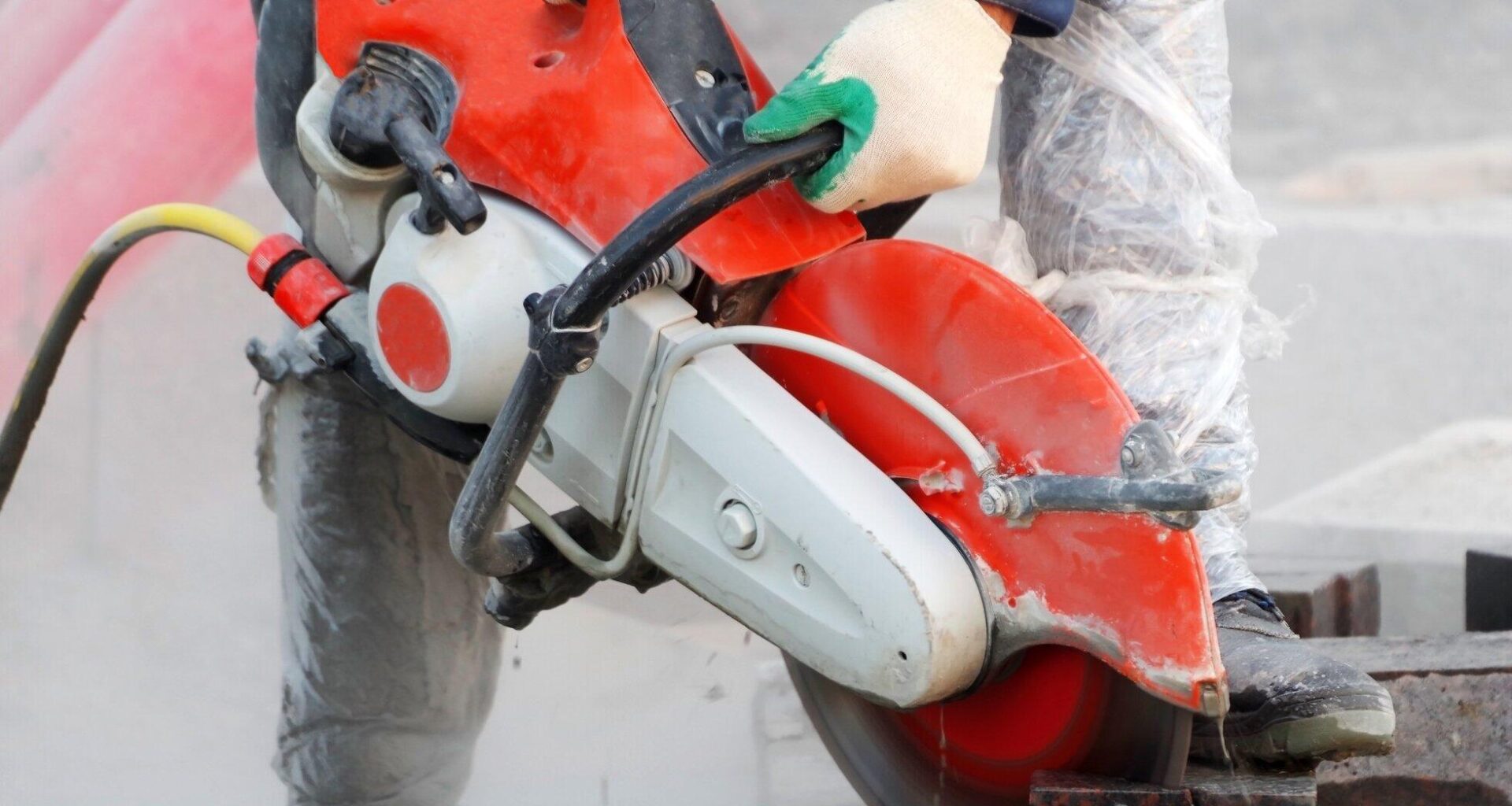
A coating needs more than a clean-looking slab to stay in place. It needs a surface that lets the new material grip the concrete below it. Diamond grinding uses machines fitted with diamond-tipped discs to remove the thin top layer and open the concrete pores.
This process creates a rough, even surface that gives coatings more area to hold. It can also remove weak cement paste that may break away under the finished floor. When the coating bonds to sound concrete, it is less likely to lift as people walk, drive, or move items across it.
Why Flooring Adhesion Depends on Surface Prep
Good flooring adhesion starts before the first coat is mixed. Concrete can hold dust, oil, tire marks, paint, old glue, and curing compounds that block a strong bond. Even a small amount of residue can act like a barrier between the slab and the new coating.
Diamond grinding removes many of these surface problems and exposes firm concrete. The crew can then vacuum the fine dust and check the slab for cracks, pits, and other damage. This careful prep gives epoxy flooring a better chance to stick across the whole area, not just in a few spots.
How Grinding Helps Stop Peeling and Blistering
Peeling often begins when a coating cannot hold tight to the slab. Moisture or trapped air may also push against a weak bond and cause bubbles or blisters. If the coating lifts in one spot, traffic and water can make the damaged area spread.
Grinding helps lower this risk by removing loose material and opening the surface for better contact. It does not fix every cause of coating failure, so moisture checks and repairs still matter. When the slab is dry, sound, and prepared, the coating has a stronger base and is less likely to peel.
Why Smooth Concrete Can Still Need Grinding
A slab may look smooth and clean but still be a poor base for a coating. New concrete can have a hard surface layer, while older floors may have sealer, paint, or worn patches. These layers can stop a coating from reaching the solid concrete beneath them.
Grinding removes or cuts through these barriers in a controlled way. The goal is not to make the slab polished or glassy, but to create the right texture for the coating system. A trained crew chooses the tools and grinding steps based on the concrete and the product that will go on top.
How Grinding Supports Epoxy and Polyaspartic Coatings
Epoxy and polyaspartic floor coatings need a clean, sound surface to bond well. Each product has its own needs, so the installer should follow the manufacturer’s rules for surface texture, moisture, and cure time. Grinding helps create a steady base before the coating is spread across the slab.
This prep is useful in garages, patios, shops, and other spaces that face daily wear. It can help concrete floor coatings resist peeling when cars, foot traffic, spills, or weather put stress on the surface. Good prep cannot make a coating last forever, but it helps the product perform as designed.
What Happens During Professional Diamond Grinding
A proper job starts with an inspection of the concrete and the coating plan. The crew checks for oil, cracks, old finishes, moisture concerns, and weak spots that may need extra work. They then choose a grinder and diamond tools that match the slab and the finish requirements.
During grinding, the machine moves across the floor in even passes to remove the top layer and create a steady profile. Dust control equipment and a strong vacuum help collect fine concrete dust as the work continues. After grinding, the crew checks the surface, makes needed repairs, and removes leftover dust before coating begins.
Why Skilled Prep Matters in Garages and Patios
Garage and patio slabs face different kinds of stress, but both need sound surface prep. A garage floor may deal with hot tires, oil drips, heavy tools, and vehicle weight. A patio may face rain, sunlight, changing temperatures, and water that sits on the surface.
A skilled installer adjusts the prep plan to suit the space and the coating system. For larger work areas, this care also supports commercial epoxy flooring, where peeling can affect safety, cleaning, and daily business. Companies such as DiamondShield can help property owners explore coating options and the surface preparation needed for a lasting finish.
Keep the Coating Bond Strong After Installation
Grinding is a key step, but the work does not end when the slab is ready. The installer must apply the coating at the right thickness and within the proper temperature and moisture range. Each layer also needs enough time to cure before the floor is used.
Property owners can help protect the finish by following care instructions and cleaning spills soon after they happen. Use cleaners approved for the coating and avoid dragging sharp or heavy items across the surface. With sound concrete, careful installation, and simple upkeep, a garage or patio coating can stay attractive and useful for much longer.
Give Your Concrete Coating a Stronger Future
A lasting coating begins with concrete. Diamond grinding removes weak layers and surface dirt, then creates the texture needed for a strong bond. This step helps reduce the risk of peeling, bubbles, and early wear on garage and patio floors.
It also lets installers spot damage before the coating goes down. Ask your installer how the slab will be tested, ground, cleaned, and repaired. Careful prep can help your flooring handle daily use and keep its finish for years with care.
Did this guide help you? Browse the rest of this section for more advice on a variety of topics.