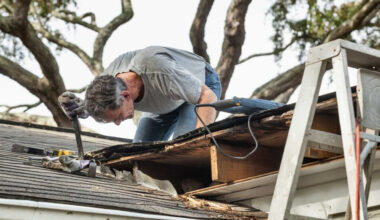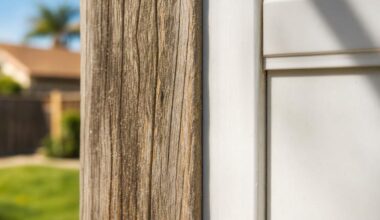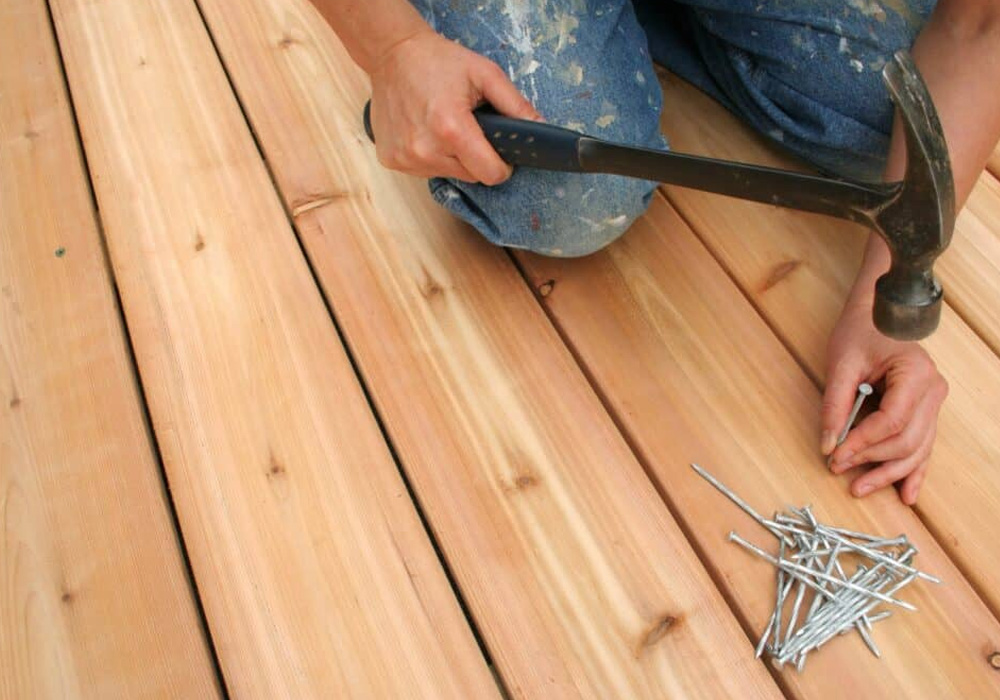
Scheduling timely professional deck repair helps address issues such as isolated rot, cracked boards, and loose fasteners. Fixing these issues prevents them from compromising the rest of the deck and causing safety and structural integrity concerns. Experienced handymen inspect the entire deck before recommending suitable repairs; they also handle old deck replacements when necessary. Here are a few things to know about repairing your deck:
Warning Signs
Professional repairs are often triggered by specific signs that indicate your deck needs urgent fixing. Contractors assess the entire installation for visible damage; this includes boards, railings, stairs, and beams. Deck repair teams also check for structural issues that may not be seen from the surface. Warning signs include:
- Soft spongy wood
- Wobbly handrails or stairs
- Loose fasteners
- Widespread wood splitting
- Surface fading or graying
These signs indicate you may have advanced rot in boards, posts, or framing, or loose, decayed connections and structural anchors. Some signs, such as severe cracking across multiple boards, point to degraded materials. Professionals repair issues ranging from popped nails that create tripping hazards to structural repairs such as joist and beam sistering.
Custom Repairs
A thorough inspection helps reveal the extent of damage and required fixes. Experienced handymen offer custom repairs for isolated damage and minor issues; they also recommend replacing decks showing major structural decay. Boards with isolated soft spots are replaced, while protruding screws and loose post bases and hardware are fastened. Faded surfaces and areas with light mold growth are cleaned, sanded, and stained to restore their appearance.
Repairs also involve structural components beneath the walking surface; damaged joists, beams, posts, and connections require replacing or reinforcing to restore deck stability. Professionals also repair damaged stair stringers and support posts when necessary. Structural shifting and a loose ledger board attached to the house require prompt evaluation, followed by repair or replacement to address the underlying issue and maintain stability.
Comprehensive Solutions
Deck repairs often require contractors to address drainage and moisture conditions around the deck before repairing damaged components. Before repairing moisture-related deck damage, professionals inspect the deck and nearby areas for debris buildup, clogged gutters, and downspouts that discharge water near the structure. Downspouts that direct runoff toward the deck increase moisture exposure around the footings and framing.
Contractors also check for standing water beneath the deck and poor grading that directs runoff toward the structure. If needed, they adjust downspout extensions or recommend drainage improvements to reduce recurring moisture exposure. A deck that settles, shifts, or pulls away from the house during winter requires an inspection of the footings, framing, and connections.
Frost heave and movement in the supporting soil contribute to footing displacement and changes in deck elevation. Rotting joists beneath the decking often result from prolonged moisture exposure, particularly when water remains trapped around the framing. Separation between the deck and house also requires inspection of the ledger board, fasteners, and ledger flashing because improper flashing allows water to reach the connection and surrounding framing. These conditions require repairs that address both the damaged components and the source of the problem.
Schedule Professional Deck Repairs Today
Deck damage should be managed by experienced teams that understand how to diagnose and fix the issue. Issues such as small cracks seem minor but can lead to total deck failure if left unresolved or handled unprofessionally. Speak to a handyman today to schedule professional deck repair.