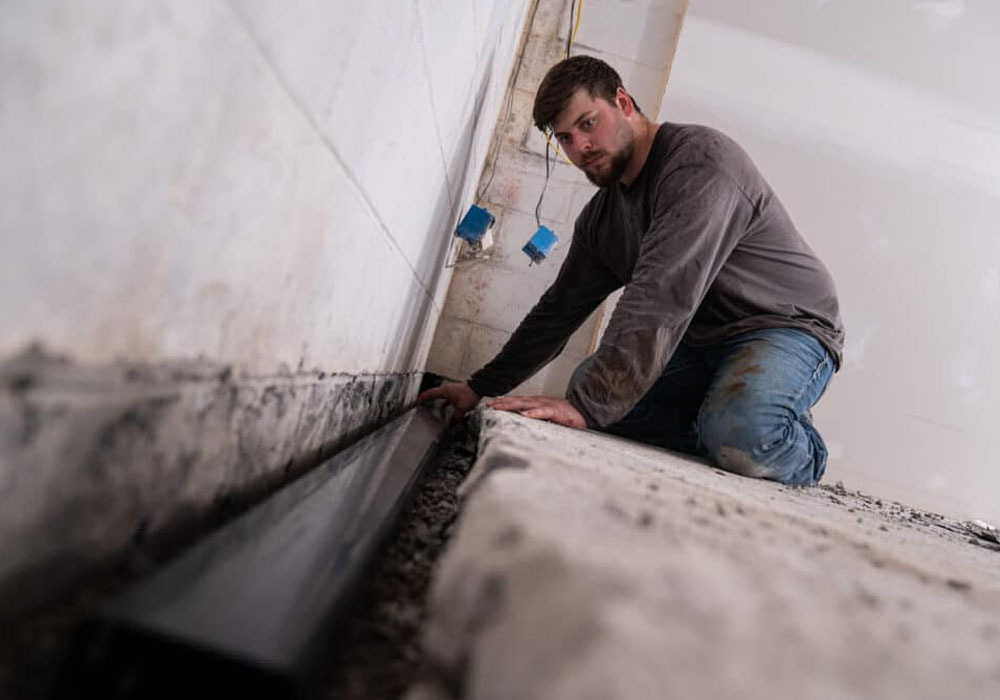
Basement waterproofing prevents water intrusion, protects the foundation, and helps maintain the home’s structural integrity. By reducing moisture-related damage and the need for extensive repairs, it provides long-term protection for both the property and its occupants. Here are a few benefits of waterproofing your basement:
1. Expands Usable Space
Basement waterproofing creates a dry, stable environment that supports the safe development of additional living space. By controlling moisture, it provides the conditions needed for installing electrical systems, flooring, and other interior finishes while maintaining a comfortable basement environment. A properly waterproofed basement offers flexible square footage that adapts to different needs, including recreation areas, storage, offices, or additional living spaces. It also helps maintain a cleaner, more functional area by preventing issues associated with excess moisture and water intrusion.
2. Protects Structural Integrity
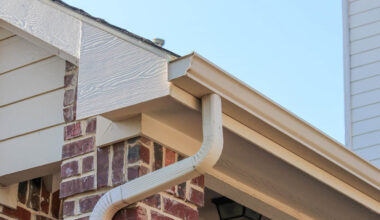
Waterproofing directs water away from the foundation and seals vulnerable areas to support structural stability and limit moisture-related damage. Systems such as French drains and exterior drain tile help manage water movement around the foundation, reducing hydrostatic pressure on walls and footings. By controlling moisture exposure, these solutions help preserve the materials that support the structure; they also reduce conditions that contribute to cracking, shifting, or deterioration.
Freeze-thaw cycles can worsen existing cracks by allowing moisture to expand and contract within foundation materials. A waterproofing system helps limit water entry through these vulnerable areas, supporting the long-term condition of the foundation. Moisture control also helps protect interior finishes by reducing issues such as drywall deterioration, wood floor warping, and other effects associated with excess dampness.
By managing moisture that moves through concrete, waterproofing helps protect framing. It also safeguards other structural components from prolonged exposure. Proper protection helps maintain the condition of finished spaces by reducing the impact of minor leaks and moisture-related wear over time.
3. Prevents Pest Invasion
Basement waterproofing focuses on managing moisture and reducing the damp conditions that often contribute to pest activity in below-grade areas. During the waterproofing process, professionals address foundation cracks, gaps, and other vulnerable areas that provide potential access points for rodents and insects. Sealing these openings helps strengthen the barrier between the basement and surrounding soil while improving moisture control throughout the space. By lowering excess humidity and limiting standing water or persistent dampness, waterproofing creates a less suitable environment for pests that rely on moisture for survival and nesting.
4. Improves Air Quality
By controlling dampness and improving drainage, basement waterproofing creates a drier environment that discourages the growth of mold and mildew. It also regulates humidity levels in the basement, which creates a more comfortable indoor environment. Controlling biological growth prevents musty odors and reduces airborne allergens and respiratory irritants.
In many homes, air in the basement is recirculated upwards into the home through stairwells, ductwork, and natural airflow. By controlling humidity and reducing pollutants and allergens in the basement, waterproofing helps maintain good air quality throughout the house; this protects the health of occupants in the home and creates a comfortable living space, shares Rentwerx Property Management, a trusted New Braunfels property management company. Regulating overall humidity also helps to reduce the breeding of allergy-causing dust mites.
5. Improves Energy Efficiency
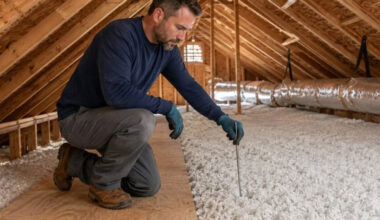
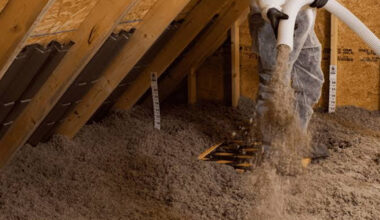
By regulating moisture levels and humidity, waterproofing creates a more stable indoor environment through exterior seals, vapor barriers, and other moisture-control measures. Managing water intrusion and excess dampness helps protect insulation materials from moisture-related deterioration, allowing them to maintain their intended performance. With improved moisture control, heating and cooling systems experience fewer challenges associated with maintaining consistent indoor conditions. This supports more efficient operation, reduces unnecessary strain on HVAC equipment, and helps preserve the performance of home systems over time.
Get Basement Waterproofing
Waterproofing your basement protects against water damage and supports the overall structure. It also enhances the space’s functionality and promotes the long-term safety of the occupants. Work with a reliable company today to waterproof your home and safeguard it against water damage.