Proper attic insulation in Broward County controls heat and humidity. High humidity in Broward raises mold risk. For coastal homes, you need air sealing plus spray foam, fiberglass, or cellulose selected based on Florida code, attic humidity, and mold-control needs.
Costs vary by material. Start with a Broward installation checklist before you choose materials and barriers.
Checklist for Proper Attic Insulation Installation in Broward
These five steps keep attic insulation in Broward County on track.
- Check the roof deck, framing, and old insulation for damp spots, leaks, pests, and crushed areas before new material goes in. A dry attic is the goal.
- Seal top plates, wire holes, plumbing gaps, and the attic hatch before you start. The EPA says you should air seal before adding insulation.
- Set baffles at each soffit and keep vent paths open from the eaves inward. They help your attic ventilate after humid Broward afternoons.
- Measure insulation depth in every bay and around corners, ducts, and platform edges. You should see no thin spots.
- Protect lights, bath fan housings, and service paths before the crew makes the final pass.
Local Code Requirements for Broward County Attic Insulation
Local code sets your minimum. After the install steps, you still need Broward County attic insulation plans that fit hot, wet homes. The county sits in Climate Zone 2A. The Florida Energy Conservation Code uses the 2018 IECC base. The attic target is R38. It may drop to R30 if they check limited eave space. For high-humidity homes, you will want full ceiling coverage at the eaves, since inspectors check there for code compliance.
FAQ Questions About Mold Prevention and Insulation Broward
Here are four common questions answered.
- Can attic insulation help prevent mold? In Broward County’s humid homes, attic insulation helps keep attic surfaces less wet from condensation, which is one of the main causes of mold.
- How much attic insulation is often recommended? A level around R-38 or higher is often used to limit heat buildup and wet attic surfaces. It also works better when your insulation stays even and dry.
- What attic area do homeowners miss most? The attic stairway access panel is a common leak point. If it is not sealed and insulated, humid indoor air can enter the attic and leave dampness behind.
- Is insulation alone enough in Broward? You will also need air sealing, steady attic ventilation, leak checks, and indoor humidity below 50% if you want better mold prevention.
Cost Factors Influencing Insulation Projects in Broward
Moisture control, attic size, access, and material choice drive most Attic Insulation project costs in Broward’s damp homes. There are labor costs, too. If your attic is tight, you will need more time because access is hard and you move slower. In Broward County, high humidity can raise scope because Attic Insulation helps you manage indoor moisture and cut condensation risk. Older homes can cost more because your attic insulation is often thin.
Checklist for selecting insulation materials that resist mold
Use this five step checklist.
- Check the product sheet for low water soak and no paper facing. Paper can hold dust, and it can feed mold.
- Ask your insulation contractor for ASTM C1338 or equal mold test data. If there is no test record, their mold claim is weak.
- Choose attic insulation that also slows humid air flow at gaps and joints. The EPA says mold grows where there is moisture.
- Make sure the material keeps its shape in Broward County attic heat and humidity. If they sag or trap wet air, drying slows down.
- Ask how the product handles a small roof leak and how fast it dries. The CDC notes mold can grow on damp materials within 24 to 48 hours.
Energy savings benefits specific to Broward attic insulation
Attic insulation cuts Broward cooling bills. In Broward, you save energy when you slow heat gain through your ceiling. Per PREC, more heat per square foot goes through your ceiling than any other part of your house.
That makes attic insulation one of your best Energy Efficiency upgrades. Higher R value means slower heat flow. It cuts the load on your AC because less outdoor heat gets into your attic and moves into living areas.
If air leaks are sealed with the insulation, you will cut heat loss and keep your system from running longer.
Compare Spray Foam Versus Fiberglass Versus Cellulose Insulation
The table compares four key points for three attic options.
| Key point | Quick compare | Broward takeaway |
| Air control | Spray Foam Insulation seals leaks. Fiberglass Insulation needs separate air sealing. Cellulose slows air flow in gaps. | There is less payoff from more Attic Insulation if can lights, pipe holes, hatches, and kneewalls still leak. |
| R per inch | Spray foam: about R 3.5 to 6.5. Fiberglass: about R 2.2 to 2.7. Cellulose: about R 3.2 to 3.8. | You may favor spray foam where depth is tight. Open attic floors often fit blown in insulation better. |
| Humidity fit | Spray foam helps control moisture. Fiberglass does not absorb moisture. Cellulose is borate treated for mold resistance. | It still needs dry roof decking and vent paths. Humid air can beat any product if it gets trapped. |
| Best use | Spray foam fits hard rooflines. Fiberglass fits broad attic floors. Cellulose fills odd spaces and older framing. | Rogers Insulation says many attics do best with air sealing first. Their view is that blown cellulose or blown fiberglass often follows. They note cellulose may cut air infiltration by up to 30%. |
Process For Installing Moisture Barriers In Attic Spaces
After that, follow five clear steps.
- Seal all ceiling gaps before any attic barrier goes in. It blocks damp indoor air.
- Put in baffles at the eaves first so outside air can move without trapping wet heat. You need that air path in Broward County, where long cooling seasons can keep roof decks hot while attic humidity stays high.
- Lap and tape each seam. There should be no gaps at lap joints.
- Keep the barrier off the roof sheathing unless the assembly was built for direct contact, because trapped dampness can slow drying. You may see that issue with radiant barrier layouts.
- Inspect every edge and vent. The U.S. Department of Energy says your attic insulation works best after you air seal and keep vent paths clear.
Mistakes To Avoid During Attic Insulation Upgrades
With that layer addressed, watch for five upgrade mistakes.
- Skipping air sealing first: In Broward County, humid air will still slip past the insulation and can leave your rooms sticky.
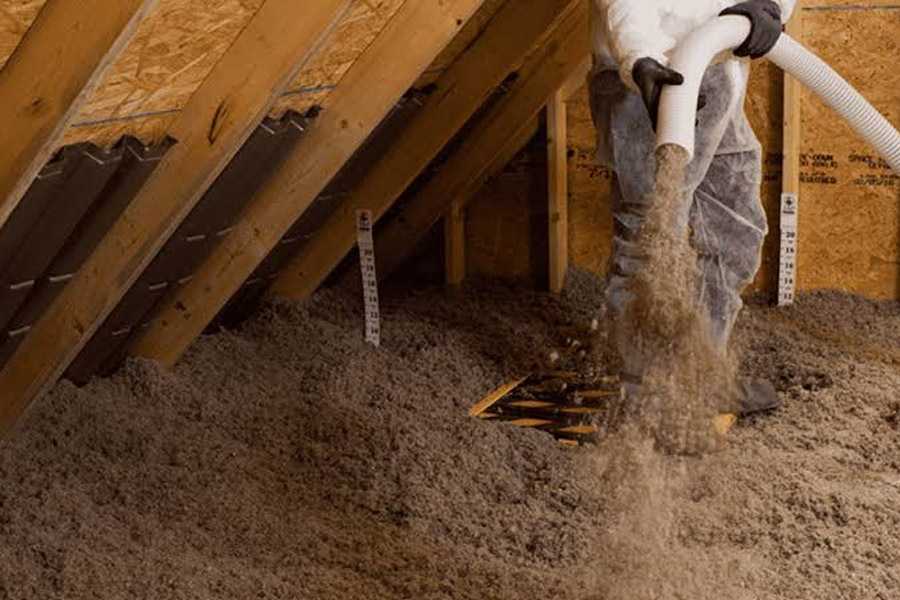
- Using unstabilized cellulose: There is more attic dust, and it can spread into your house.
- Trusting weak old insulation to carry new weight: Its fibers can pack down under dense cellulose and lose loft.
- Ignoring venting after a damp installation: Some crews use about 1 gallon of water per 60 pounds, and your vented attic may dry in about two sunny days.
- Skipping product research: The Cellulose Insulation Manufacturers Association is one place where you can compare manufacturers’ claims with how cellulose performs in humid homes.
Smart insulation choices cut humidity stress. For Broward County homes, you should start with air sealing. That step blocks damp air. Then Attic Insulation can slow heat gain and reduce your HVAC load.
In South Florida, closed-cell Spray Foam Insulation seals best, while Fiberglass Insulation or blown-in insulation may cost less upfront. As ENERGY STAR guidance has shown, insulation works better after leak control, and that pairing often lowers bills and indoor dampness.
Roof leaks or old ducts change choices. Broward Insulation Service can inspect your attic and help you schedule a risk audit.